Key Points
- Vanesa Selena Ramirez, a resident of Washington state, is currently in federal custody following her arrest in Honolulu.
- The arrest occurred in connection with an alleged attempt to transport approximately 34 pounds of cocaine in two checked suitcases.
- The illicit cargo was discovered by U.S. Customs and Border Protection (CBP) officers during luggage inspections for Japan Airlines Flight 71, bound for Haneda, Japan, on June 27.
- According to court documents, Ramirez alleged she was offered $5,000 to courier the bags to an unknown recipient in Tokyo.
- Ramirez reportedly stated to investigators that she suspected the bags contained illegal items, though she initially claimed she did not believe the contents were narcotics.
- She made her initial appearance in federal court on Tuesday, July 1, 2026.
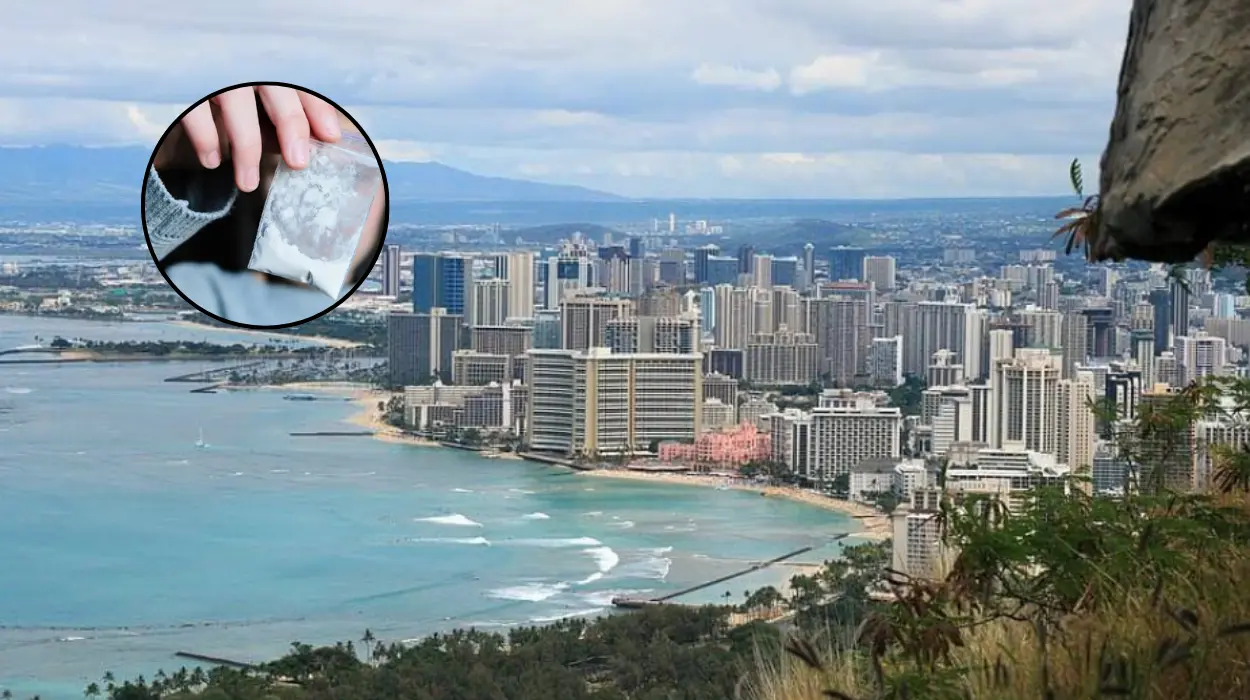
Washington (Evening Washington News) July 3, 2026 – A Washington state woman faces serious federal charges following her apprehension at Daniel K. Inouye International Airport, where authorities allegedly discovered approximately 34 pounds of cocaine concealed within her checked luggage prior to her scheduled departure for Tokyo, Japan.
How did U.S. Customs and Border Protection identify the narcotics?
The discovery of the alleged contraband occurred on June 27 during routine screening procedures. As reported by Shawn Garrett of KING 5, U.S.
Customs and Border Protection (CBP) officers were conducting luggage inspections for Japan Airlines Flight 71, which was scheduled to depart for Haneda, Japan. During the course of these inspections, officials identified suspicious substances in two checked bags linked to Vanesa Selena Ramirez.
Following the initial discovery, officers conducted field tests on the contents of the luggage. According to court documents cited by KING 5, the results of these tests returned a presumptive positive result for cocaine.
What was the sequence of events leading to the arrest?
Following the discovery of the substances, federal law enforcement authorities coordinated an operation to intercept the passenger.
As reported by Shawn Garrett of KING 5, later that afternoon, agents from Homeland Security Investigations (HSI) and Customs and Border Protection observed Ramirez at Gate D-1 at the Honolulu airport as she prepared to depart on the Tokyo-bound flight.
When approached by law enforcement officials, Ramirez was questioned regarding the checked luggage.
According to the complaint filed in federal court, she confirmed that she had checked two bags for the flight.
Investigators reportedly located two baggage claim stubs in her possession that corresponded with the tags affixed to the suitcases containing the alleged narcotics.
What statements did the defendant make during questioning?
Following her detention, Ramirez was read her rights and subsequently agreed to be interviewed by federal agents. As reported by Shawn Garrett of KING 5, Ramirez provided an account of how she came to be in possession of the luggage.
She stated to investigators that she had been offered a payment of $5,000 to fly to Honolulu, collect the two suitcases, and transport them to Tokyo.
Ramirez indicated to agents that an unknown individual was intended to receive the luggage upon its arrival in Japan.
The court documents further detail a contradictory narrative regarding her knowledge of the cargo. According to the report by KING 5, the complaint alleges that Ramirez told agents she knew the contents of the bags were illegal, though she claimed she did not believe the suitcases contained drugs.
However, the report notes that investigators documented that she later conceded she assumed the suitcases contained illegal substances because of the fact that agents were conducting an interview with her.
Ramirez remains in the custody of the U.S. Marshals Service following her initial court appearance on Tuesday, July 1.
Background of the development
The arrest of Vanesa Selena Ramirez highlights the persistent challenges surrounding international drug trafficking routes, particularly through major Pacific transit hubs. Honolulu’s Daniel K. Inouye International Airport serves as a significant gateway for trans-Pacific travel, connecting the United States mainland with various Asian destinations, including Japan.
Japan maintains some of the strictest drug enforcement laws in the world. Customs and border authorities in Japan employ rigorous screening processes for arriving international passengers, and the importation of narcotics carries severe penalties, including lengthy imprisonment and significant fines.
Because of this, international drug syndicates frequently recruit “mules” or couriers—often unsuspecting or desperate individuals—to transport contraband, betting that the low-profile nature of a single traveller may evade detection compared to larger shipments.
The use of “mules” is a documented tactic used by transnational criminal organisations to distance the organisers of the trade from the physical possession of the illicit goods.
In such cases, the couriers are often given minimal information about the recipients or the true nature of the cargo to ensure that if the courier is intercepted, they possess limited intelligence to share with law enforcement.
Explore More Local News
Brooke Rollins Visits Great American State Fair, Washington, 2026
Great American State Fair Opens on National Mall, Washington 2026
Prediction
This development is likely to result in heightened scrutiny for passengers travelling from Honolulu to Japan on major carriers like Japan Airlines. Passengers can expect an increase in random, secondary luggage screenings and more detailed questioning by border authorities for those identified as high-risk travellers.
From a legal standpoint, the federal government typically pursues these cases with significant vigour. Given that the alleged weight of the cocaine—34 pounds—is substantial, federal prosecutors will likely focus on proving the defendant’s knowledge of the contents.
If convicted, federal sentencing guidelines for drug trafficking of this magnitude are severe, and this case will likely serve as a cautionary example in the region regarding the legal and personal risks associated with accepting payments to courier luggage for unknown individuals.
Law enforcement will continue to prioritise identifying the “unknown person” or syndicate that coordinated the transport, as the arrest of a courier is often the initial step in a broader investigation into larger distribution networks.