
Key Points
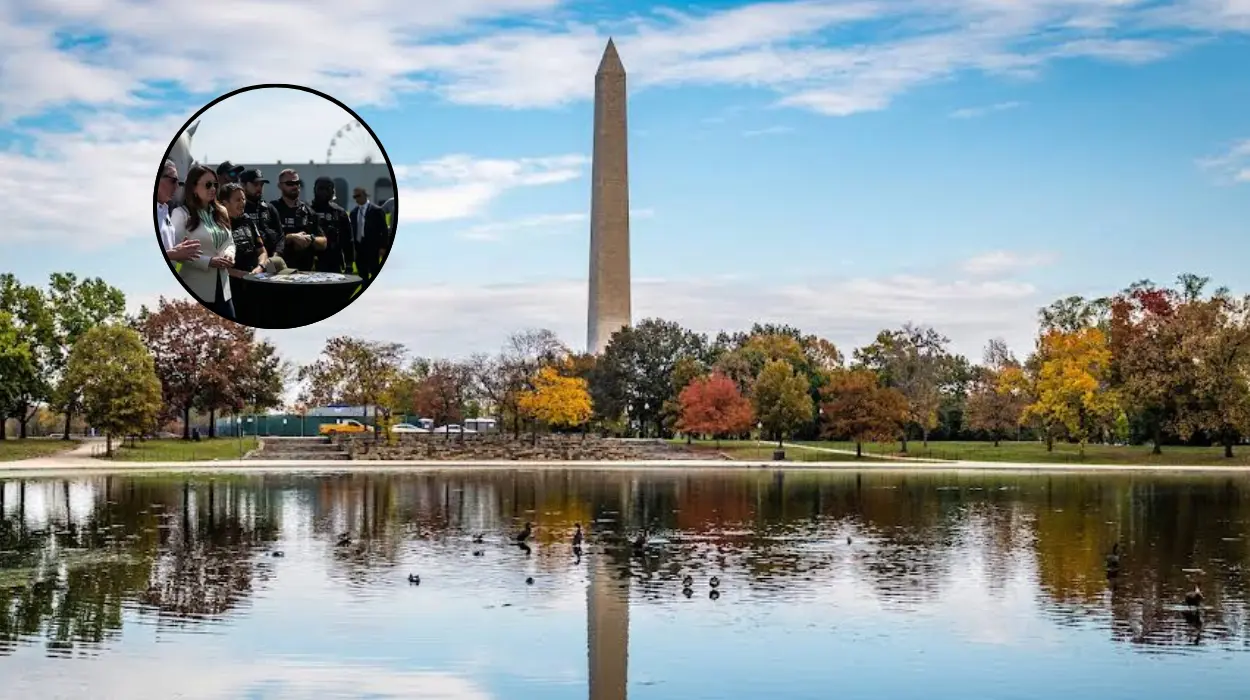
- United States Secretary of Agriculture Brooke Rollins visited the “redo 250” area on the National Mall in Washington, D.C., on 26 June 2026.
- Reuters Connect identified the event as the Washington DC State Fair and said the visit took place on the National Mall.
- The wider event has been described by multiple outlets as the Great American State Fair, a Trump-backed celebration tied to America’s 250th birthday.
- Coverage around the event has focused on crowd size, participation problems, and questions over how the celebration is being received.
- Some reporting has also noted food, attractions, and military-style demonstrations at the site.
Washington (Evening Washington News) July 2, 2026 – United States Secretary of Agriculture Brooke Rollins stopped by the redo 250 area on the National Mall in Washington, United States, on 26 June 2026, according to Reuters Connect.reutersconnect+1As reported by Reuters Connect, Brooke Rollins visited the event area on the National Mall, which places a senior administration figure inside the public-facing side of the celebration. Reuters Connect’s caption specifically says she stopped by the redo 250 area, while another Reuters Connect item describes her as visiting the area on 26 June.
That detail matters because it shows the event was being used not only as a public attraction but also as a venue for government and political visibility.
What is the event?
Several outlets have described the gathering as the Great American State Fair, a semiquincentennial celebration on the National Mall in Washington, D.C.
According to NBC News, the fair was launched with a headlining speech and came after musical acts dropped out of the lineup over concerns linked to the event. CNN reported that the broader America 250 effort tied to the event has faced crowd-size complaints and organisational issues.
How have media outlets framed it?
Coverage has not been limited to one tone or one angle. US News published photo coverage showing scenes that included a giant Ferris wheel and military demonstrations, which indicates the event had both entertainment and ceremonial elements.
Axios reported on food and menu items at the fair, including corn dogs and wellness-themed offerings, showing that the event was also being presented as a public festival.
At the same time, several outlets described sparse attendance and empty booths, suggesting the celebration has struggled to generate momentum.
What problems have been reported?
One recurring theme in coverage is attendance. CNN said the event has faced crowd-size gripes, while Forbes and Washingtonian described sparse crowds at the National Mall. The New Republic reported on empty booths and unusual attractions, including an AI George Washington and high-priced food items, as part of its review of the fair.
NBC News also reported that some attendees said they had not noticed politics overshadowing the celebration, which suggests different visitors experienced the event in different ways.
What has been said about participation?
CNN reported that at least six states were not taking part in Trump’s Great American State Fair, which points to a participation gap in an event that was meant to feel nationally inclusive. That missing-state issue has become part of the wider story around the fair because the event was billed as a patriotic showcase featuring pavilions from across the country.
Reuters Connect’s reporting on Brooke Rollins adds a government presence to the scene, but the broader press coverage suggests the scale and reception of the fair have remained uneven.
Background of the development
The fair sits within the America 250 and semiquincentennial commemorations tied to the United States’ 250th birthday. Reuters Connect’s item places Brooke Rollins at the redo 250 area on 26 June 2026, while later coverage throughout late June and early July tracked the event’s public reception and political overtones.
Across reporting from multiple outlets, the key background issue has been whether the National Mall event can function as a broad national celebration or whether it will be remembered more for low turnout and controversy.
Prediction for visitors
For visitors, the most likely impact is that the event will continue to be judged less by symbolism and more by turnout, logistics, and the quality of the attractions.
If attendance remains modest, future coverage is likely to keep focusing on whether the fair can draw the public it was designed to attract. For people planning to attend similar America 250 events, the story suggests expectations may centre on novelty and spectacle, but the public mood will depend heavily on crowd levels and the mix of activities available.