Key Points
- Washington, D.C. will hold a districtwide Democratic and Republican primary on Tuesday, June 16, 2026, for mayoral and Council races, marking a significant change from previous elections
- The general election will occur on Tuesday, November 3, 2026, where independent candidates can also participate
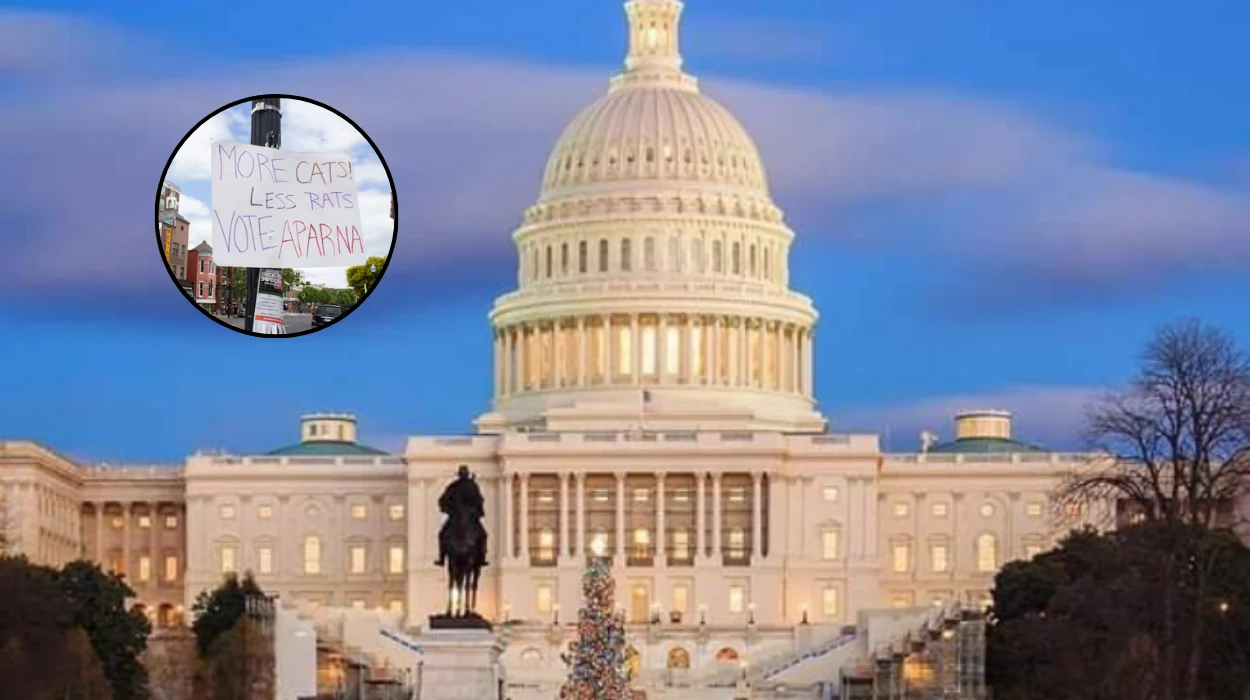
- Campaign signs were posted in the U Street Corridor of Washington on Sunday, June 7, 2026, as captured in an AP photo by Tallulah Brown Van Zee
- The Department of Public Works (DPW) announced it will recycle all political campaign signs and posters it removes, urging candidates to be environmentally mindful
- By law, campaign signs must be removed within 30 days of an election, according to District of Columbia Municipal Regulations Title 24, section 108.6
- Special campaign poster recycling bins have been set up at the Reeves Center at 2000 14th Street, NW, with loading dock access on U Street between 14th and 15th Streets
- The 2026 D.C. elections may be the most consequential since home rule began in 1975, amid increased federal intervention, depleting federal resources, and local budget pressures
- The filing deadline for the 2026 election was March 18, 2026
- Washington, D.C. is also holding a special election for an at-large city council seat on June 16, 2026
- Voters can go to any Vote Center regardless of address between 7:00am–8:00pm and vote by paper or electronic ballot
- Early Vote Centers are available between 8:30am–7:00pm for paper or electronic ballots
Washington, D.C. (Evening Washington News) June 15, 2026 — Campaign signs dotting the U Street Corridor signal an unusually consequential primary election day tomorrow as Washington, D.C. prepares for its first districtwide primary for mayoral and Council races since home rule began, with voters heading to polls Tuesday, June 16, 2026, amid heightened concerns about federal intervention, budget pressures, and environmental compliance regarding campaign signage removal deadlines.
- Key Points
- What Makes the June 16, 2026 D.C. Primary Election Different from Previous Years?
- When Must Campaign Signs Be Removed According to District Law?
- Why Are the 2026 D.C. Elections Considered the Most Consequential Since 1975?
- How Can Voters Participate in the June 16, 2026 D.C. Primary Election?
- What Happens After the June 16 Primary Until the November 3 General Election?
- Background: The Development of Washington, D.C.’s 2026 Electoral System
- Prediction: How This Development Can affect Washington, D.C. Voters and Campaign Participants
What Makes the June 16, 2026 D.C. Primary Election Different from Previous Years?
Washington, D.C. will hold a districtwide primary that will be unlike previous elections, according to AP Decision Notes published June 14, 2026.
The primary will include both Democratic and Republican contests for mayoral and Council races, marking a structural shift from prior electoral formats.
As reported by the Associated Press in
“AP Decision Notes: What to expect in the Washington, DC, primary,”
the districtwide format means voters across all neighborhoods will participate in the same primary ballot rather than ward-specific contests that characterized previous elections. This change consolidates the electoral process and potentially increases competition across the entire district.
The filing deadline for this election was March 18, 2026, meaning candidates had approximately three months to prepare their campaigns before voters cast ballots.
Ballotpedia reports that Washington, D.C. is also holding a special election for an at-large city council seat on June 16, adding another layer of significance to tomorrow’s primary.
When Must Campaign Signs Be Removed According to District Law?
Campaign representatives can bring any signage to be recycled weekdays between 8 am and 4:30 pm to the loading dock at the Reeves Center, which is located on U Street between 14th and 15th Streets, according to a District Government announcement. However, the legal removal deadline is stricter than many candidates appear to observe.
Title 24, section 108.6 of the District of Columbia Municipal Regulations indicates that a
“sign, advertisement, or poster related to a specific event shall be removed no later than 30 days following the event to which it is related,”
as reported by the Washington Informer in a 2022 analysis of campaign sign compliance.
In practical terms, this means signs from the June primary must be removed by July 21, 2026, and signs from the November general election must be removed by December 8, 2026.
The Department of Public Works (DPW) announced today that it will recycle all political campaign signs and posters it removes, demonstrating the city’s commitment to environmental responsibility. Both DPW and the District Department of the Environment (DDOE) urge candidates to be mindful of the environment and recycle any political signage posted in public space.
Special campaign poster recycling bins have also been set up at the Reeves Center at 2000 14th Street, NW, providing additional convenience for campaign teams.
This infrastructure reflects the city’s anticipation of significant signage volume following both the June primary and November general election.
Explore More Politics News
Trump Admin Suspends Anthropic Fable 5 Mythos 5 AI Models; Washington, 2026
US Demands Iran Remove Uranium While Waiving Rules for Saudi; Vienna 2026
Why Are the 2026 D.C. Elections Considered the Most Consequential Since 1975?
The 2026 District of Columbia elections may be the most consequential elections since the advent of home rule in 1975, according to ArentFox Schiff’s 2026 Election Overview published January 8, 2026.
This assessment comes against a backdrop of greater federal intervention into the city’s affairs, depleting federal resources, and local budget pressures.
As noted by ArentFox Schiff, many of the city’s most important local offices will have new leadership after the elections in November, representing a potential shift in governance direction.
The combination of federal pressures and local fiscal challenges creates an electoral environment where voters face decisions that could fundamentally alter how the city operates.
The districtwide primary format amplifies this significance by consolidating voter participation and potentially increasing the stakes for each candidate.
With the general election occurring on Tuesday, November 3, 2026, and independent candidates eligible to participate, the electoral landscape remains competitive and open to multiple perspectives.
How Can Voters Participate in the June 16, 2026 D.C. Primary Election?
From voter registration to ranked-choice voting procedures, residents have multiple options for participating in tomorrow’s primary, according to guidance from ACLU DC published May 26, 2026. Voters can go to an Early Vote Center between 8:30am–7:00pm and vote by paper or electronic ballot.
Alternatively, voters can go to any Vote Center regardless of their address, between 7:00am–8:00pm, and vote by paper or electronic ballot.
This flexibility means D.C. residents do not need to travel to specific ward locations, streamlining the voting process across the districtwide primary format.
The availability of both paper and electronic ballots provides options for voters with different preferences or accessibility needs.
Vote Centers operating until 8:00pm accommodate workers and those with daytime commitments, ensuring broader access to the electoral process.
What Happens After the June 16 Primary Until the November 3 General Election?
The Tuesday, June 16 primary will determine Democratic and Republican nominees for mayoral and Council races, which will then face competition in the November general election.
The general election will occur on Tuesday, November 3, in which independent candidates can also participate, creating a potentially three-way or multi-way contest in some races.
This two-stage process means June primary voters effectively narrow the field, while November voters—including those who may not have participated in the primary—make the final selection. The inclusion of independent candidates in November adds variability that could affect outcomes in closely contested races.
Campaign activity between June and November will likely intensify as nominees build on primary momentum and independent candidates make their final push, with campaign signage potentially remaining through the December 8 removal deadline.
Background: The Development of Washington, D.C.’s 2026 Electoral System
The 2026 D.C. primary election represents a structural evolution in the city’s electoral framework dating back to home rule established in 1975.
The shift to a districtwide primary format contrasts with previous ward-specific contests that had characterized D.C. elections for decades. This change consolidates voter participation across the entire district rather than limiting primary contests to individual wards.
The filing deadline of March 18, 2026, provided candidates approximately three months to organize campaigns before the June 16 primary.
The inclusion of a special election for an at-large city council seat on the same date adds another dimension to the electoral calendar.
Environmental regulations regarding campaign signage have been in place since at least 2022, with Title 24, section 108.6 of the District of Columbia Municipal Regulations mandating removal within 30 days following an election.
The DPW’s recycling program for campaign signs, announced in 2026, represents an expansion of environmental compliance infrastructure.
The context of increased federal intervention and depleting federal resources has shaped the political environment leading into 2026, creating what ArentFox Schiff describes as potentially the most consequential elections since 1975.
Local budget pressures compound these external factors, placing additional stakes on the selection of new local leadership.
Prediction: How This Development Can affect Washington, D.C. Voters and Campaign Participants
For D.C. Voters: The districtwide primary format will likely increase competition across all neighborhoods, potentially giving voters more candidate choices but also requiring greater research effort since ward-specific signals no longer apply.
The flexibility of voting at any Vote Center regardless of address between 7:00am–8:00pm should increase accessibility, particularly for workers and those with mobility constraints.
However, the significance of the election amid federal intervention and budget pressures means voter decisions could substantially impact city governance direction for years.
For Campaign Candidates and Teams: The March 18 filing deadline required earlier campaign organization than some previous cycles, benefiting established candidates with resources. The 30-day signage removal deadline creates compliance pressure, with legal removal required by July 21 for primary signs.
The DPW recycling program provides an environmental compliance pathway but requires coordination with Reeves Center operations during weekday business hours.
The districtwide format means campaigns must fund messaging across the entire district rather than targeting specific wards, increasing financial requirements.
For November General Election Participants: Independent candidates entering in November face a competitive landscape where primary nominees will have built momentum over four months. The potential for three-way or multi-way contests could split votes in closely timed races, making turnout levels critical.
Campaign signage from November must remain compliant with the December 8 removal deadline, extending the post-election compliance window.