The Kennedy Center for the Performing Arts removed Donald Trump’s name from its website and signage after U.S. District Judge Christopher R. Cooper ordered removal on May 29, 2026, ruling that only Congress can change the institution’s name established in 1964. The deadline for complete removal was June 12, 2026, and the center complied by eliminating all references to “Trump Kennedy Center” from official documents, digital materials, and physical signage.
- Why Was Trump’s Name Added to the Kennedy Center in 2025?
- What Did Judge Cooper’s May 29, 2026 Ruling State About the Name Change?
- How Did the Kennedy Center Comply With the Judge’s Removal Order?
- Which Artists Canceled Performances After the Trump Name Addition?
- What Legal Basis Establishes the Kennedy Center’s Original Name?
- How Did Trump Announce a Two-Year Kennedy Center Closure Following the Ruling?
- What Are the Implications of the Kennedy Center Name Removal Decision?
Why Was Trump’s Name Added to the Kennedy Center in 2025?
The Kennedy Center board of trustees, filled with Trump allies after a January 2025 takeover, unanimously voted on December 18, 2025, to rename the institution “Donald J. Trump and John F. Kennedy Memorial Center for the Performing Arts.” This unilateral decision by the board occurred without congressional approval and immediately drew bipartisan backlash from Democrats and legal experts questioning its validity.
The board’s vote came after President Donald Trump, who was reelected in November 2024 and inaugurated in January 2025, ousted the previous leadership of the Kennedy Center earlier in 2025. Trump filled the board with allies who supported his naming initiative. Roma Daravi, the center’s spokeswoman, stated the board voted “unanimously today to designate the institution” with the new dual name reflecting the president’s attempt to imprint his legacy on the Washington, D.C. arts scene.
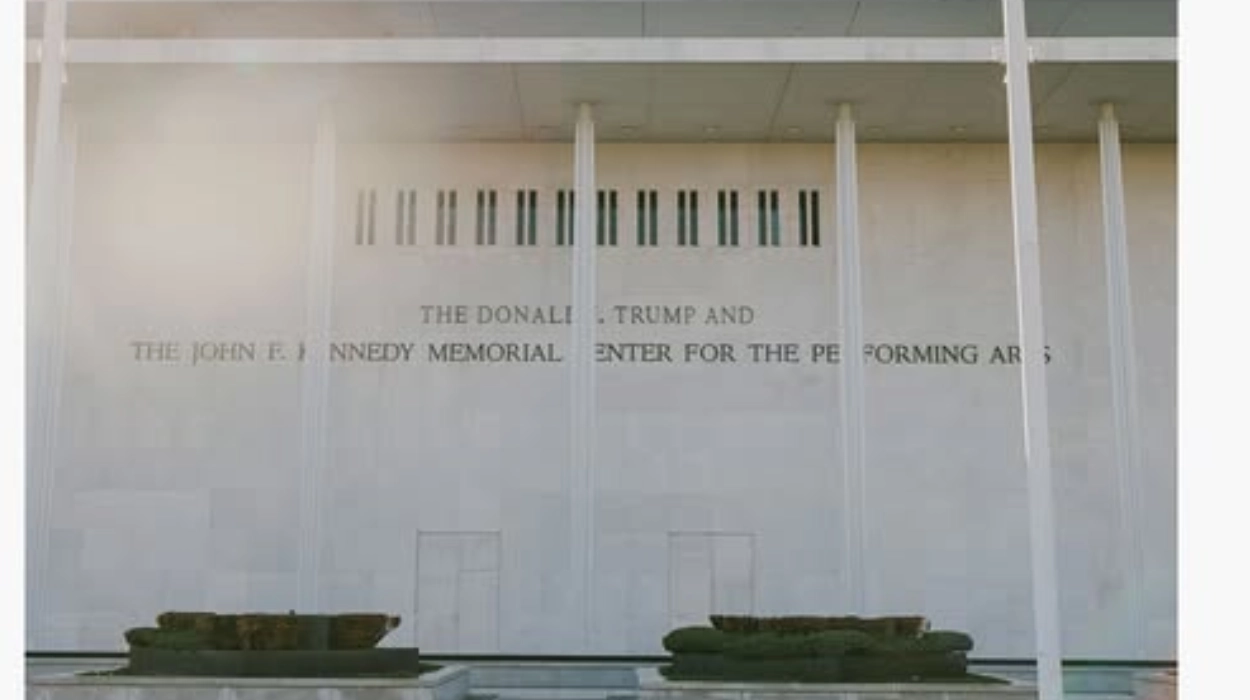
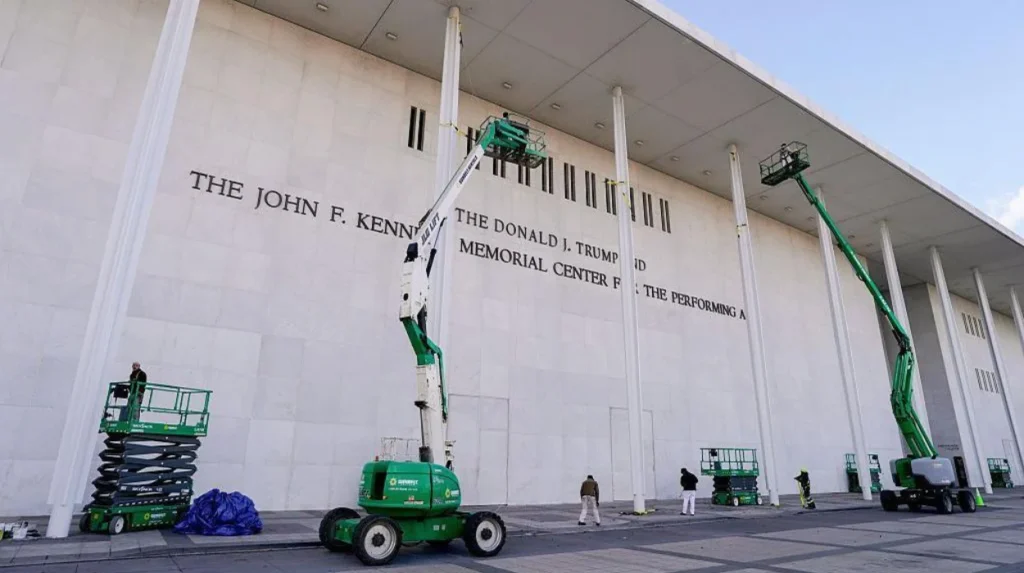
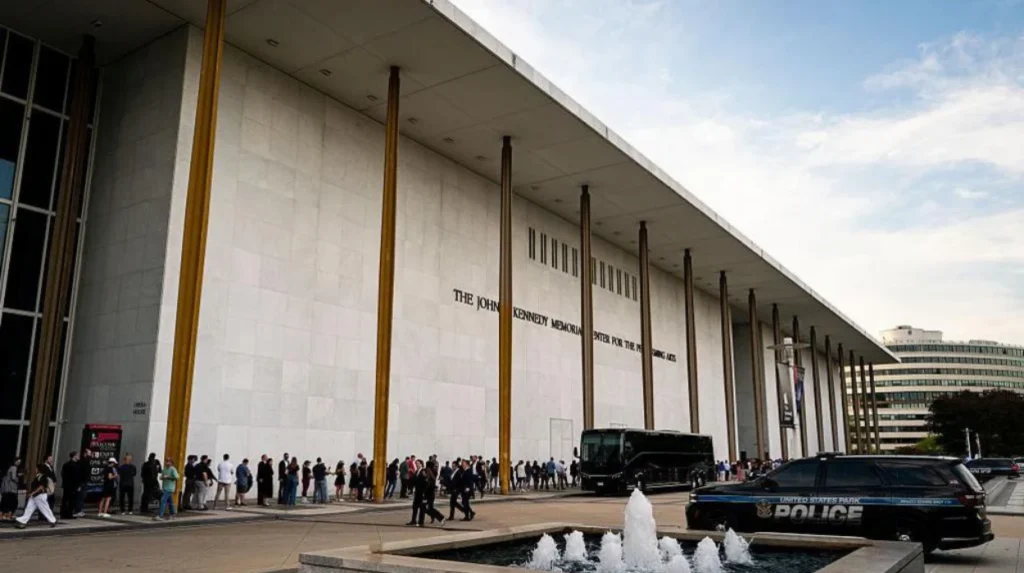
New signage bearing Trump’s name was installed at the Washington, D.C. performing arts center on Friday, December 19, 2025. The facility’s exterior previously displayed only “John F. Kennedy Center for the Performing Arts” but now featured 18 new letters on the white marble exterior reading “The Donald J. Trump and John F. Kennedy Memorial Center for the Performing Arts”.
The renaming decision raised immediate questions about legality. Peter Leavitt, a board member, described the new name as the “Trump-Kennedy Center,” while The Washington Post reported the board voted for the longer formal title. Legal scholars noted that the center’s original statute from 1964 clearly established the institution as honoring President John F. Kennedy alone.
What Did Judge Cooper’s May 29, 2026 Ruling State About the Name Change?
U.S. District Judge Christopher R. Cooper, an Obama administration appointee serving on the Federal District Court in Washington, issued a 94-page ruling on May 29, 2026, stating that “Congress gave the Kennedy Center its name, and only Congress can change it.” The judge ordered all signage and online materials referring to the Trump-Kennedy name removed within 14 days, with a deadline of June 12, 2026.
Judge Cooper’s ruling emphasized that the Kennedy Center’s organic statute makes “crystal clear that the Center is to be named for President Kennedy, and it cannot bear any other formal name or public memorial based on the Board’s unilateral say-so.” The judge determined that the board’s choice to affix Trump’s name to the Kennedy Center contravened a law enacted by Congress in 1964, which clearly established that the institution was to honor former President John F. Kennedy exclusively.
The ruling mandated that the 18 letters recently affixed to the center’s white marble exterior must be taken down. According to the order, Trump’s name must be eliminated from the institution’s title, façade, and all physical or digital signage, as well as official materials. The performing arts centre must also remain open despite Trump announcing a two-year closure for extensive renovations.
Judge Cooper stated that the president’s attempt to rename the facility after himself contradicted the lawmakers’ initial purpose from 1964. The court determined the board of trustees did not have the authority to rename the institution without congressional approval.
Kennedy Center officials have indicated intentions to appeal Judge Cooper’s decision. On June 12, 2026, the Kennedy Center board sought a pause of the ruling ordering removal of Trump’s name, mounting a last-minute effort to keep his name on the facade before the court-ordered deadline.
How Did the Kennedy Center Comply With the Judge’s Removal Order?
The Kennedy Center’s general counsel issued a memo on June 5, 2026, instructing staff to “immediately” eliminate President Trump’s name from official documents and update both indoor and outdoor signage by June 12, 2026, in compliance with the judge’s ruling. The center removed Trump’s name from its website ahead of the Friday deadline imposed by the Obama-appointed judge.
On June 8, 2026, the Kennedy Center eliminated Donald Trump’s name from its website following the directive issued by U.S. district judge Cooper last month. The performing arts venue took down references to a “Trump Kennedy Center” in compliance with the judge’s ruling that mandated the removal of the president’s name from the performing arts institution.
The memo directed employees to update signage displaying the disputed name by June 12. All references to Trump in the Kennedy Center’s signage, digital materials, and branding must be removed by that deadline. The center complied with the order ahead of the Friday deadline.
Staff were told they have until June 12 to take down Trump’s name from any signage, including indoor and outdoor displays. The General Counsel of the Kennedy Center issued this memo to staff on June 4, 2026, indicating the compliance timeline.
President Trump’s board at the Kennedy Center mounted a last-minute effort on June 12, 2026, to keep his name on the facade before the court-ordered deadline to remove it by Friday. The board decided to file for a stay on U.S. District Judge Christopher Cooper’s ruling from May 29, which stated that Trump’s name was unlawfully affixed to the Kennedy Center.
Which Artists Canceled Performances After the Trump Name Addition?
Over 20 artists canceled Kennedy Center performances after Trump’s name was added, including jazz musician Chuck Redd, jazz supergroup The Cookers, dance company Doug Varone and Dancers, folk singer Kristy Lee, composer Philip Glass, and Broadway cast members from “Hamilton.” The cancellations began in December 2025 and continued through January 2026, prompting the institution’s president to accuse performers of making decisions based on politics.
Chuck Redd canceled the “Christmas Eve Jazz Jam” at the center in December 2025, stating: “When I saw the name change on the Kennedy Center website and then hours later on the building, I chose to cancel our concert.” The Cookers, a jazz supergroup that has performed together for nearly a decade, canceled their New Year’s Eve show at the center.
Doug Varone and Dancers, a New York dance company, announced on December 29, 2025, that it would cancel two planned Trump-Kennedy Center shows in April 2026. Kristy Lee, an Alabama folk singer, canceled a January 14, 2026 show, writing on social media: “When American history starts getting treated like something you can ban, erase, rename, or rebrand for somebody else’s ego, I can’t stand on that stage and sleep right at night”.
Philip Glass, the renowned composer, withdrew from performances at the venue. Stephen Schwartz, the composer behind “Wicked,” declared in January 2026 that he would not host a gala at the historic venue. Renée Fleming, Washington National Opera, Vocal Arts DC, and Issa Rae also canceled their shows.
The touring production of “Hamilton” boycotted the venue, and cast from “Les Misérables” also boycotted an event. Sonia De Los Santos, Martha Graham Dance Company, Béla Fleck, Wayne Tucker, Brentano Quartet featuring Hsin-Yun Huang, Magpie, Rhiannon Giddens, and Balún all canceled performances.
The Kennedy Center announced on December 27, 2025, that it would seek $1 million in compensation from Chuck Redd for canceling his performance over the Trump name change. The center vowed to sue the musician who canceled due to the name change.
What Legal Basis Establishes the Kennedy Center’s Original Name?
The Kennedy Center’s name was established by an act of Congress signed on January 23, 1964, by President Lyndon B. Johnson, which officially named the arts centre after the slain leader John F. Kennedy. This 1964 law designated the Kennedy Center’s name, and according to Judge Cooper’s ruling, only Congress possesses the authority to alter it.
On April 4, 1964, exactly one year after President Kennedy’s assassination, Congress passed the legislation establishing the Kennedy Center for the Performing Arts as a national memorial dedicated to Kennedy’s legacy. The law clearly stated the institution was to be named specifically for John F. Kennedy, not as a shared memorial with other presidents.
Judge Cooper’s 94-page opinion cited the Center’s statute, stating it makes clear that the Center is to be named for Kennedy and cannot bear any other formal name based on the Board’s unilateral decision. The judge emphasized that Congress gave the Kennedy Center its name, and only Congress can change it through new legislative action.
The legal framework establishes the Kennedy Center as a single-purpose memorial to John F. Kennedy. Any attempt to add another president’s name requires congressional approval through new legislation, not board votes. This statutory requirement means the board of trustees lacks independent authority to rename the institution.
Democratic lawmakers have supported the legal position that the name change requires congressional approval. Representative Stephen Lynch stated that Trump’s decision to rename the Kennedy Center and place his name above President Kennedy’s is “a case of stolen valor”.
How Did Trump Announce a Two-Year Kennedy Center Closure Following the Ruling?
President Trump announced on February 1, 2026, that the Kennedy Center will close for two years starting July 4, 2026, for $250 million in renovations, marking his latest initiative to reshape the iconic venue after his return to the White House. The board of the Kennedy Center, appointed by Trump, reached a unanimous decision on March 16, 2026, to close the renowned arts venue for the extensive renovation project.
Trump declared his intention to shut down the Kennedy Center for the Performing Arts in Washington for two years beginning in July 2026 to facilitate renovations. This announcement came following a wave of cancellations since Trump ousted the previous leadership and added his name to the building in December 2025. The center will suspend entertainment activities for the two-year period due to renovations.
Roma Daravi, the center’s vice president of public relations, stated: “Significant renovations are essential to maintain the functionality of the facility, and this work will commence immediately following July 4.” The board approved the $250 million renovation closure plan unanimously.
President Trump said the closure was necessary for the extensive renovations. This decision represents Trump’s continued efforts to reshape the historic venue after his January 2025 takeover of the Kennedy Center leadership.
The two-year closure beginning July 4, 2026, will halt all entertainment operations at the premier venue for performing arts located in Washington, D.C. The renovations aim to maintain the facility’s functionality while addressing significant maintenance needs.
What Are the Implications of the Kennedy Center Name Removal Decision?
The Kennedy Center Trump name removal establishes that federal memorials named by Congress cannot be renamed unilaterally by board trustees, reinforcing congressional authority over national memorial designations and setting a legal precedent for similar institutions. Judge Cooper’s ruling confirms that only Congress can change the name of institutions it established through legislation.
The decision impacts how Trump’s administration approaches institutional renaming. The ruling contradicts the president’s attempt to imprint his legacy on Washington, D.C. arts venues through unilateral board actions. This legal precedent will likely affect future attempts to rename federal cultural institutions.
The artist cancellations totaling over 20 performances demonstrate the cultural backlash against political renaming of historic institutions. The Kennedy Center lost significant programming revenue and damaged its reputation as a neutral arts venue. The $1 million lawsuit against Chuck Redd展现了 the center’s aggressive response to cancellations.
The two-year closure starting July 2026将进一步影响肯尼迪中心的艺术运营。The $250 million renovation project will suspend all entertainment activities, potentially affecting the venue’s long-term financial stability and artist relationships. This closure follows the wave of cancellations that began after the Trump name addition.
The Kennedy Center officials’ intention to appeal Judge Cooper’s decision suggests the legal battle may continue. If the appeal fails, the ruling reinforces congressional authority over national memorial names. The outcome will determine whether board trustees can ever rename federal cultural institutions without legislative approval.
The name removal from the website and signage by June 12, 2026, restores the institution’s original designation as the John F. Kennedy Center for the Performing Arts. This restoration maintains the historical integrity of Kennedy’s memorial and upholds the 1964 congressional statute’s original purpose.
Why was Donald Trump’s name added to the Kennedy Center?
According to the events described, the Kennedy Center board voted in December 2025 to rename the institution the “Donald J. Trump and John F. Kennedy Memorial Center for the Performing Arts” after a board reorganization that occurred earlier in 2025.