
Key Points
- Impending Smoke Influx: Wildfire smoke is forecasted to potentially return to Western Washington later this week.
- Limited Air Quality Impact: Experts anticipate that any impact on air quality will be limited, as most smoke is expected to remain at higher elevations.
- Meteorological Conditions: A high-pressure system building off the coast on Friday and Saturday is predicted to create weak offshore winds, funnelling smoke from Eastern Washington and British Columbia toward the region.
- Regional Outlook: Whatcom and Skagit counties, along with the Cascade foothills, are identified as the areas likely to see the most significant impact.
- Eastern Washington Crisis: The eastern part of the state remains heavily affected by over a dozen wildfires, with air quality readings currently ranging from moderate to “very unhealthy.”
- Temporary Haze: The hazy conditions are expected to be short-lived, with a return to onshore flow on Saturday anticipated to bring clean air from the Pacific Ocean.
Seattle (Evening Washington News) August 11, 2026 — Residents across the Puget Sound region are being advised that wildfire smoke could drift into Western Washington later this week. According to the KING 5 First Alert Weather Team, while the presence of smoke is a possibility due to shifting weather patterns, the overall impact on local air quality is expected to remain limited.
Why is wildfire smoke expected to return to the Puget Sound area?
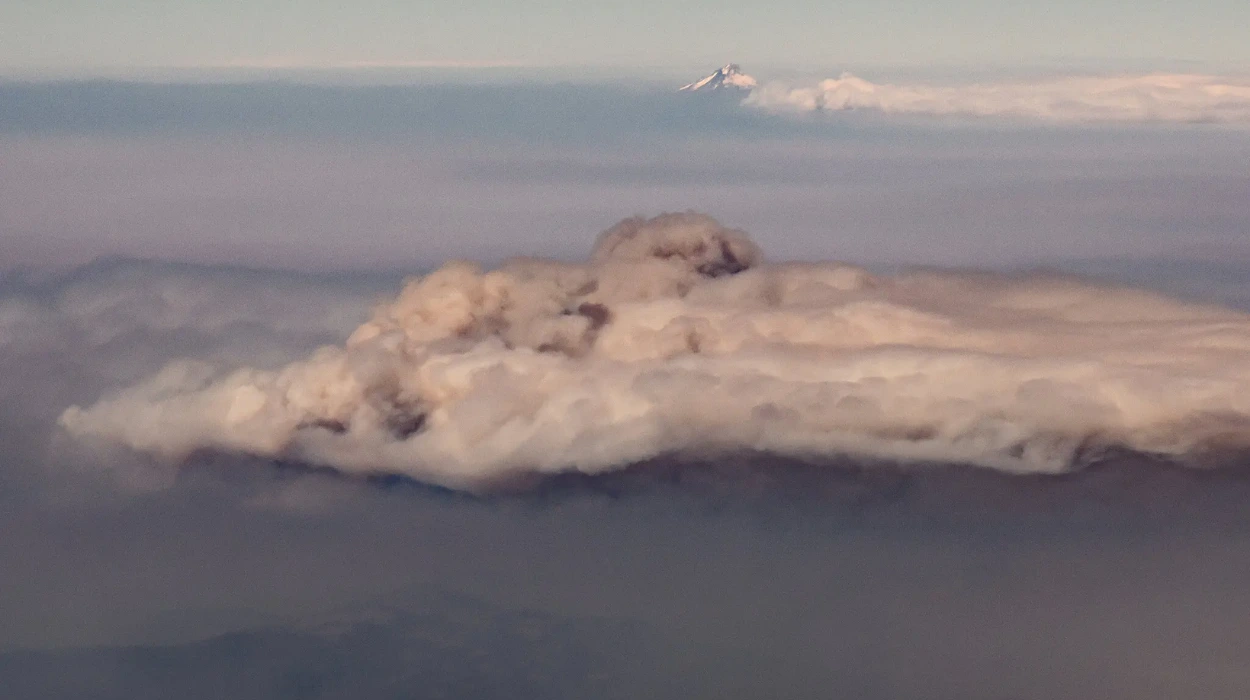
The potential return of hazy skies is tied to a specific meteorological transition. As reported by Allison Sundell of KING 5, a high-pressure system is projected to build off the coast this coming Friday and Saturday. This atmospheric change is anticipated to generate weak offshore winds, which meteorological models suggest will funnel smoke particles currently trapped in Eastern Washington and British Columbia into the Puget Sound region.
Despite this movement, residents should not necessarily expect the thick, hazardous smog experienced during previous wildfire seasons. The KING 5 First Alert Weather Team indicated that the expected winds will be relatively light. Furthermore, forecasters suggest that the bulk of the smoke will likely stay at higher elevations, which will effectively prevent significant deterioration of the air quality at ground level.
Which specific areas are predicted to be most affected?
While the impact is expected to be widespread but manageable, some regions are at a higher likelihood of experiencing visible haze. Based on forecast model runs reviewed by KING 5 on Tuesday morning, Whatcom County, Skagit County, and the Cascade foothills are currently highlighted as the areas most likely to see the effects of the incoming smoke.
During this period, weather conditions in Western Washington are expected to remain typical for mid-August, with high temperatures hovering in the upper 70s to low 80s Fahrenheit.
Explore More Weather News
Western WA Smoke Clears Out in Seattle 2026
Seattle Weather Cold Front Rain and Fire Danger Seattle 2026
What is the current wildfire and air quality situation in Eastern Washington?
While Western Washington awaits the potential arrival of light smoke, the situation in the eastern portion of the state is far more difficult. Eastern Washington remains heavily impacted by over a dozen active wildfires that have consumed hundreds of thousands of acres.
As noted by the KING 5 news report, the National Weather Service has issued an air quality alert for the vast majority of Eastern Washington. Data provided by AirNow—a coalition of government agencies tasked with monitoring regional air quality—indicated that monitors in the eastern part of the state were reporting conditions ranging from “moderate” to “very unhealthy” as of Tuesday morning.
How long will the smoke likely persist in the region?
For those concerned about prolonged exposure to smoky conditions, the forecast offers some reassurance. The hazy skies are expected to be a short-lived phenomenon. Meteorologists are predicting that an onshore flow will return to the region later on Saturday. This shift in wind direction is expected to flush out the lingering smoke, replacing it with cleaner, fresher air blowing in from the Pacific Ocean.
This update comes shortly after a period of poor air quality last week, when levels across the Puget Sound region dipped into the “unhealthy for sensitive groups” category, highlighting the ongoing volatility of the region’s air quality during the peak of the wildfire season.