Hantavirus is a rare but serious viral infection spread by rodents, primarily deer mice in Washington State. In humans, it causes a life‑threatening lung disease called hantavirus pulmonary syndrome (HPS). Washington has recorded multiple local cases in recent years, making awareness of symptoms and exposure risks important for residents across rural, suburban, and even some urban settings.
- What is hantavirus and how does it affect the body?
- What are the main types of hantavirus illness?
- How do hantavirus symptoms start in Washington adults?
- When do hantavirus lung symptoms appear?
- What are other warning signs of severe hantavirus illness?
- How common are hantavirus cases in Washington State?
- How does hantavirus spread to people in Washington?
- What rodent species carry hantavirus in Washington?
- How quickly do hantavirus symptoms progress after exposure?
- What hantavirus complications occur in Washington patients?
- Who is at highest risk for hantavirus in Washington?
- How is hantavirus diagnosed in Washington hospitals?
- Is there a specific treatment or vaccine for hantavirus?
- What public‑health measures address hantavirus in Washington?
- How can Washington residents prevent hantavirus exposure?
- What is the correct way to clean rodent‑infested areas in Washington?
- What should Washington residents do if they suspect hantavirus exposure?
- How can communities in Washington reduce long‑term hantavirus risk?
What is hantavirus and how does it affect the body?
Hantavirus is a group of viruses carried by certain rodents, especially deer mice (Peromyscus maniculatus) in Washington. When people inhale aerosolized virus particles from rodent urine, droppings, or saliva, the virus enters the lungs and infects small blood vessels. This leads to leakage of fluid into the lungs, causing hantavirus pulmonary syndrome (HPS).
Infection typically begins with a non‑specific viral phase lasting about 3–5 days, followed by a rapid cardiopulmonary phase in which breathing becomes difficult. The virus does not spread easily between people; almost all human cases in Washington are linked to rodent contact in cabins, sheds, garages, or enclosed workspaces.
What are the main types of hantavirus illness?
Two major clinical patterns occur worldwide: hantavirus pulmonary syndrome (HPS) in the Americas and haemorrhagic fever with renal syndrome (HFRS) in Europe and Asia. In Washington and the rest of the United States, the primary concern is HPS, caused by strains such as Sin Nombre virus carried by deer mice.
HFRS typically affects the kidneys and causes fever, low blood pressure, and kidney failure, while HPS is a severe respiratory illness. Because Washington’s ecology is dominated by deer mice, public‑health resources in the state focus on recognizing and preventing HPS rather than HFRS.
How do hantavirus symptoms start in Washington adults?
Within 1–8 weeks of exposure, hantavirus infection in Washington adults usually begins with 3–5 days of flu‑like symptoms. These include fever, muscle aches (especially in large muscle groups such as thighs, hips, back, and shoulders), headache, fatigue, chills, and sometimes nausea or vomiting.
These early symptoms affect nearly all hantavirus cases. About half of patients also report dizziness, abdominal pain, or mild gastrointestinal symptoms such as diarrhea. These signs are non‑specific and can be mistaken for influenza or other common viral illnesses, which is why knowing potential rodent exposure is critical.
When do hantavirus lung symptoms appear?
Approximately 4–10 days after the initial flu‑like phase, lung‑related symptoms emerge in hantavirus pulmonary syndrome. This “cardiopulmonary phase” features a dry cough, shortness of breath, and a feeling of tightness in the chest. As fluid leaks into the lungs, patients may feel as if they cannot get enough air.
Breathing difficulty can worsen quickly over hours, sometimes progressing to severe respiratory failure. In Washington, several documented cases have required intensive‑care support and mechanical ventilation because the lungs fill with fluid rapidly. This is why any adult with recent rodent exposure who develops breathing problems should seek emergency care immediately.
What are other warning signs of severe hantavirus illness?
Beyond fever, muscle aches, and shortness of breath, several additional signs suggest severe hantavirus pulmonary syndrome. These include rapid heart rate, low blood pressure, and signs of low oxygen such as bluish lips or fingertips. Some patients report confusion or dizziness as the condition worsens.
In a small number of Washington cases, patients have also experienced abdominal pain, vomiting, or diarrhea before their breathing deteriorated. These symptoms indicate that the infection is affecting multiple body systems and signal that hospitalization is urgent.
How common are hantavirus cases in Washington State?
Hantavirus‑related illness is rare but not negligible in Washington. As of 2017, the state reported five confirmed human cases within a single calendar year, the highest annual total since 1999. In 2017, one of those five cases proved fatal, highlighting the seriousness of the disease.
More recent surveillance shows occasional cases in rural counties, including eastern Washington. For example, a 2025 hantavirus‑related death was reported in a Whitman County resident, underscoring that exposure risk persists in farm, forestry, and cabin‑
related environments. State and local health agencies continue to monitor and report cases, but the overall incidence remains low compared with other respiratory infections.
How does hantavirus spread to people in Washington?
In Washington, hantavirus spreads almost exclusively through inhalation of aerosolized virus from infected rodent droppings, urine, or nesting materials. When people stir up dust in rodent‑infested cabins, sheds, garages, or enclosed workspaces, tiny particles carrying the virus become airborne and can be breathed into the lungs.
Direct contact with contaminated surfaces then transferring the virus to the mouth or nose can also cause infection, though this is less common than airborne exposure. Unlike some other viruses, hantavirus does not spread from person to person in routine community settings, which limits large‑scale outbreaks.
What rodent species carry hantavirus in Washington?
In Washington, deer mice are the primary known carriers of the Sin Nombre hantavirus strain that causes HPS. Studies estimate that roughly 14% of Washington deer mice carry the virus, even though the rodents often appear healthy. Other small rodents in the state may theoretically carry related hantaviruses, but deer mice are the main focus of public‑health guidance.
These mice are common in forests, fields, and rural areas, and they often enter human structures seeking shelter or food. Recognizing their presence—such as small, white‑flecked fur, large ears, and a bi‑colored tail—helps residents identify potential risk areas around homes and workplaces.
How quickly do hantavirus symptoms progress after exposure?
Symptoms of hantavirus pulmonary syndrome usually appear 1–8 weeks after exposure, with most Washington cases starting within 2–3 weeks. The first 3–5 days involve flu‑like symptoms, and then the disease enters a rapid phase over the next 4–10 days where lung involvement becomes severe.
This progression can be particularly fast in previously healthy adults, with some Washington patients developing critical respiratory distress within 24–48 hours of the onset of breathing problems. The brevity of this window underscores the importance of early medical evaluation for anyone with recent rodent exposure and early symptoms.
What hantavirus complications occur in Washington patients?
In Washington, hantavirus pulmonary syndrome can lead to acute respiratory distress syndrome (ARDS), a condition where the lungs cannot deliver enough oxygen to the body. Severe cases often require intensive‑care admission, supplemental oxygen, and sometimes mechanical ventilation or intubation.
Other complications include low blood pressure, shock, and, in some cases, impaired kidney function. Case reports from Washington note that outcomes vary widely: some patients recover fully, while others develop multi‑organ failure and may die despite advanced medical care.
Who is at highest risk for hantavirus in Washington?
Residents of rural and semi‑rural areas with frequent contact with cabins, barns, sheds, and rodent‑infested structures are at higher risk. Outdoor workers such as farmers, loggers, and pest‑control technicians who enter enclosed, dusty spaces where deer mice may nest are also in elevated‑risk groups.
Experimentally, almost any adult can become infected if exposed to sufficient virus, but men and individuals in physically active occupations may be more likely to encounter rodent habitats. Older adults and those with pre‑existing lung conditions may also face worse outcomes if they develop HPS.
How is hantavirus diagnosed in Washington hospitals?
Clinicians in Washington diagnose hantavirus based on symptoms, exposure history, and laboratory testing. Key clues include sudden onset of fever, muscle aches, and rapidly worsening shortness of breath in someone who has recently cleaned or entered a rodent‑infested space or cabin.
Blood tests can detect hantavirus‑specific antibodies or viral RNA, and chest imaging often shows signs of fluid in the lungs. Because HPS can mimic other respiratory infections, early communication between the patient and the medical team about possible rodent exposure is essential for accurate diagnosis.
Is there a specific treatment or vaccine for hantavirus?
There is no specific antiviral drug or vaccine approved to treat or prevent hantavirus infection in humans. Management of hantavirus pulmonary syndrome in Washington focuses on supportive care in a hospital setting, often in an intensive‑care unit.
Supportive measures include oxygen therapy, mechanical ventilation when needed, careful fluid management, and medications to support blood pressure. In very severe cases, doctors may consider experimental antiviral drugs such as ribavirin, but large clinical trials have not proven them consistently effective, so they remain optional adjuncts rather than standard therapy.
What public‑health measures address hantavirus in Washington?
Washington’s local health districts and the state Department of Health provide guidance on rodent control, safe cleaning practices, and case reporting. For example, public‑health advisories emphasize sealing entry points, trapping deer mice, and using proper disinfection methods when cleaning previously rodent‑infested areas.
Health‑department materials also outline how to recognize early symptoms and when to seek care, especially after exposure in cabins, vacation homes, or agricultural buildings. These education campaigns help reduce undiagnosed cases and improve timely hospitalization for severe HPS.
How can Washington residents prevent hantavirus exposure?
Prevention centers on reducing contact with rodents and their excreta. Residents should seal cracks and holes in homes and outbuildings using cement, metal flashing, or other materials rodents cannot gnaw through. Screens, doors, and vents should be kept in good condition to block entry.
Storing food in rodent‑proof containers, keeping yards and storage areas free of clutter, and removing potential nesting sites such as woodpiles near buildings further reduce the chance of deer‑mouse infestations. These steps are especially important in rural and peri‑urban parts of Washington.
What is the correct way to clean rodent‑infested areas in Washington?
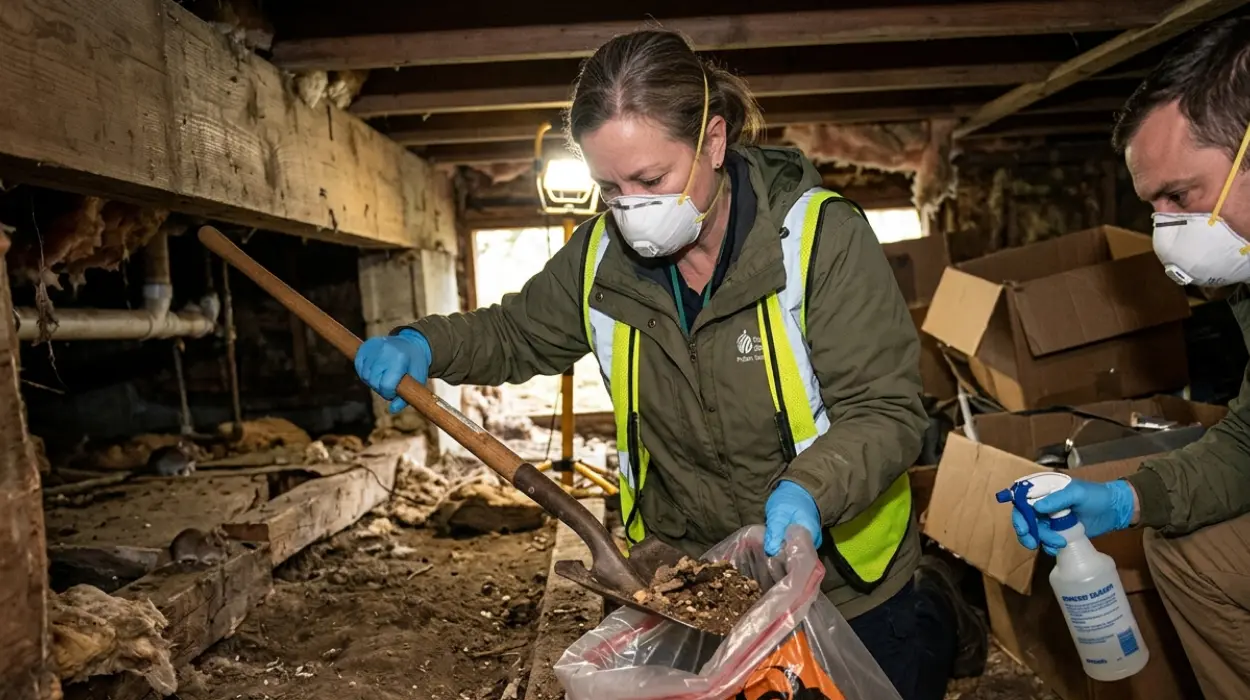
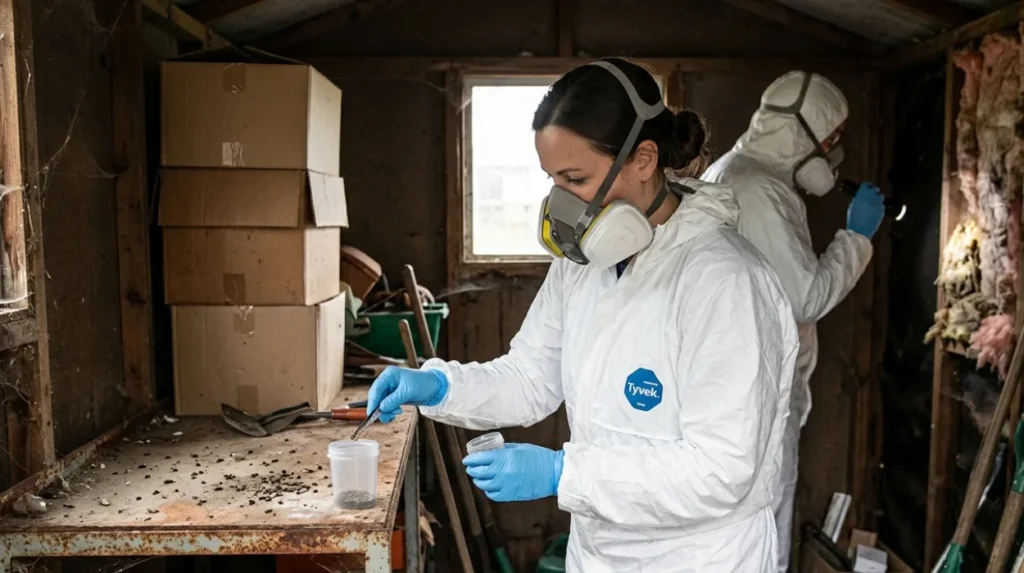
When cleaning spaces with visible rodent droppings or nesting materials, it is essential to avoid sweeping or vacuuming, which can aerosolize virus‑containing dust. Instead, Washington public‑health guidance recommends wetting the area with a disinfectant solution (such as a bleach‑water mixture) before wiping or mopping to remove debris safely.
People should wear gloves, a mask or respirator, and eye protection when handling potentially contaminated materials. After cleaning, all reusable protective gear should be washed or disinfected, and hands should be thoroughly washed with soap and water. This protocol applies to cabins, sheds, garages, and other enclosed structures.
What should Washington residents do if they suspect hantavirus exposure?
Anyone who has recently disturbed rodent‑infested dust or urine and then develops fever, muscle aches, and shortness of breath should seek emergency medical care immediately. It is important to tell the clinician about the rodent exposure, even if it occurred weeks earlier, because this information can guide testing and early ICU admission.
Before going to the clinic or hospital, patients should avoid sharing enclosed spaces with others to minimize the chance of secondary issues, even though hantavirus is not considered contagious in typical household or community settings. Prompt recognition and hospitalization improve the likelihood of survival in Washington‑based cases.

How can communities in Washington reduce long‑term hantavirus risk?
Community‑wide hantavirus prevention depends on sustained rodent‑control programs and public education. Local health districts in Washington often run campaigns that teach residents how to inspect and seal homes, store food properly, and handle rodent‑infested materials safely.
Land‑use planning and structural improvements—for example, discouraging long‑term storage of equipment or debris in rodent‑prone buildings—can also reduce opportunities for deer mice to establish nests near people. These measures help keep Washington’s hantavirus case numbers low while protecting vulnerable rural and outdoor workers.
What is hantavirus and why is it dangerous?
Hantavirus is a rare viral infection spread mainly through contact with infected rodent urine, droppings, or saliva. In Washington State, deer mice are the primary carriers. The virus can cause hantavirus pulmonary syndrome (HPS), a severe lung disease that may become life-threatening within days.