
Key Points
- Fresh & Ready Foods LLC issued a voluntary recall for 2,414 units of its Fresh To You Sausage, Egg & Cheese Biscuit Sandwiches due to potential Listeria monocytogenes contamination.
- The affected sandwiches were distributed across Washington and Oregon between October 25 and November 4, primarily targeting employee break rooms, refrigerated vending machines, and local cafeterias.
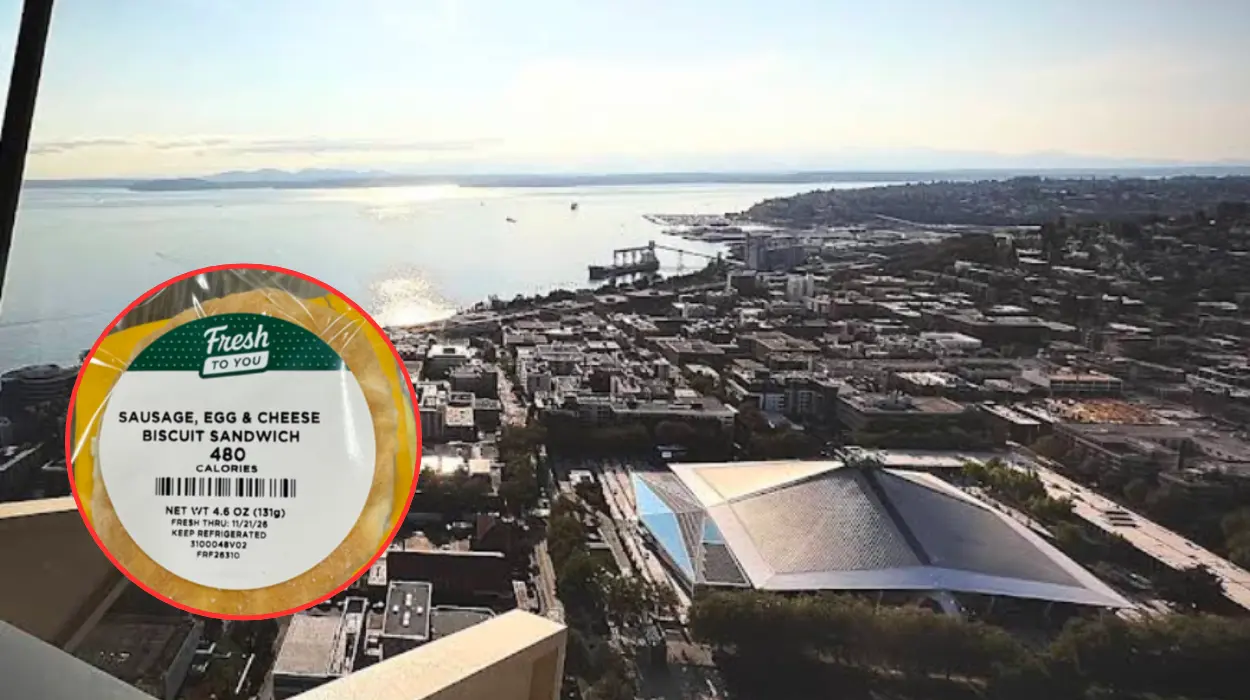
- The recalled products are packaged in clear plastic film with a 4.6 oz weight, labeled under SKU 3100048 and UPC 8 405493 0168 4, featuring “Fresh Thru” dates spanning from November 7 to November 19.
- According to official regulatory updates, this food safety action is directly connected to a broader component recall initiated by CH Guenther & Son concerning contaminated biscuit products used as an ingredient.
- As of the latest reports, no illnesses or adverse health reactions have been formally linked or reported in connection with the consumption of these specific sandwiches.
- Consumers and workforce members are strongly advised to check workplace coolers, vending stocks, and home fridges, and to either discard the items immediately or return them to Fresh & Ready Foods for a full refund.
RENTON(Evening Washington News) November 12, 2026 — A local food manufacturing facility has initiated an urgent regional product recall affecting thousands of ready-to-eat breakfast items distributed to workplaces and institutional sites across the Pacific Northwest. Fresh & Ready Foods LLC announced a voluntary market withdrawal of 2,414 breakfast sandwiches after routine supply chain tracing revealed a serious bacterial risk. The affected products, marketed under the Fresh To You label, have triggered heightened monitoring by public health officials due to their potential carriage of Listeria monocytogenes, an organism capable of causing severe and sometimes fatal infections in vulnerable demographics.
- Key Points
- What Products Are Specifically Affected by the Fresh & Ready Foods Listeria Recall?
- Where Were the Contaminated Breakfast Sandwiches Distributed?
- Why Was the Recall Initiated and What is the Underlying Ingredient Source?
- What Health Risks Are Associated with Listeria Monocytogenes Exposure?
- What Actions Should Consumers and Workplace Managers Take Now?
- Background of the Particular Development
- Prediction and Impact on the Particular Audience
What Products Are Specifically Affected by the Fresh & Ready Foods Listeria Recall?
As detailed in official notices published by the U.S. Food and Drug Administration (FDA) and reported by journalists covering regional health alerts, the voluntary safety action is narrowly focused on a single product line. As reported by staff writers for food safety publications, the item involved is the Fresh To You Sausage, Egg & Cheese Biscuit Sandwich packaged individually in clear plastic film with a net weight of 4.6 ounces.
Where Were the Contaminated Breakfast Sandwiches Distributed?
Unlike mass-market retail recalls that target grocery store aisles and supermarket chains, this particular distribution footprint primarily targeted non-traditional commercial environments. As highlighted by news reports covering regional logistics, the 2,414 recalled sandwiches were shipped directly between October 25 and November 4 to corporate employee break rooms, automated refrigerated vending machines, and institutional cafeterias located within the states of Washington and Oregon.
Workers across the two states have been specifically urged by public health investigators to inspect workplace snack stations and communal refrigerators. Officials have confirmed that no other production lines, facilities, or alternative products manufactured by Fresh & Ready Foods LLC are impacted by this safety notice.
Why Was the Recall Initiated and What is the Underlying Ingredient Source?
The root cause of the contamination traces back to an upstream ingredient supplier. According to compliance disclosures filed with federal regulators, this recall is directly connected to a separate ingredient recall initiated which flagged certain commercial biscuit products for potential Listeria monocytogenes presence.
Fresh & Ready Foods LLC utilized the tainted biscuit batch as a direct component in the assembly of their Sausage, Egg & Cheese Biscuit Sandwiches. Food safety analysts note that while the primary ingredient fault originated externally, the finished ready-to-eat sandwiches inherited the biological risk, necessitating immediate containment to protect consumers.
What Health Risks Are Associated with Listeria Monocytogenes Exposure?
Listeria monocytogenes is a resilient bacterium capable of surviving and multiplying in refrigerated environments. Infections—known as listeriosis—pose disproportionately severe health threats to specific segments of the population, including young children, frail or elderly individuals, and people with compromised immune systems.
In healthy adults, symptoms may manifest as short-term flu-like indicators such as high fever, severe headache, stiffness, nausea, abdominal pain, and diarrhea. However, infections during pregnancy can lead to miscarriages and stillbirths. Public health agencies maintain that anyone exhibiting clinical signs of listeriosis after consuming ready-to-eat products should seek immediate medical evaluation.
What Actions Should Consumers and Workplace Managers Take Now?
Regulatory authorities and company representatives have outlined clear steps for anyone who may possess the recalled merchandise. As stated in guidelines shared across consumer safety outlets, purchasers and workplace facility managers must immediately cease consumption or distribution of the affected sandwiches.
Consumers are instructed to discard the items safely or retain packaging details to request a full commercial refund. Fresh & Ready Foods LLC has established dedicated communication channels for customer inquiries, or through their consumer hotline at 1-855-424-8390, operating Monday through Friday between 8:00 a.m. and 6:00 p.m. Eastern Time.
Background of the Particular Development
The food manufacturing sector has faced heightened regulatory scrutiny regarding pathogen control in ready-to-eat (RTE) supply chains, particularly following iterative updates to federal hazard analysis standards. Listeria monocytogenes remains one of the most challenging pathogens for food processors due to its ability to colonize facility equipment and persist under cold-storage conditions.
In recent years, federal agencies have tightened traceability mandates across multi-tiered manufacturing networks, requiring finished-product assemblers to maintain rigorous oversight of sub-component suppliers. The interconnection between CH Guenther & Son’s raw biscuit vulnerability and Fresh & Ready Foods’ final assembly highlights the cascading vulnerabilities inherent in modern commercial food production. When upstream agricultural or baking suppliers encounter contamination events, downstream processors relying on those ingredients must enact rapid containment protocols—such as voluntary recalls—to prevent localized contamination from escalating into widespread foodborne outbreaks.
Prediction and Impact on the Particular Audience
For the workforce, corporate office managers, and vending machine operators across Washington and Oregon, this development underscores the operational and health vulnerabilities tied to workplace convenience food distribution. In the short term, facility managers and office administrators who rely on refrigerated vending and break room catering services are likely to implement stricter vendor auditing and batch-verification protocols to ensure employee safety.
For consumers who frequently utilize office break rooms or corporate cafeterias for quick meals, the incident serves as a stark reminder of the hidden risks within ready-to-eat supply chains. While no illnesses have been reported so far, heightened awareness will likely lead to lower short-term consumer confidence in unbranded or localized vending snacks, prompting institutional buyers to demand greater transparency and more frequent microbiological testing certificates from regional food suppliers.