

Key Points
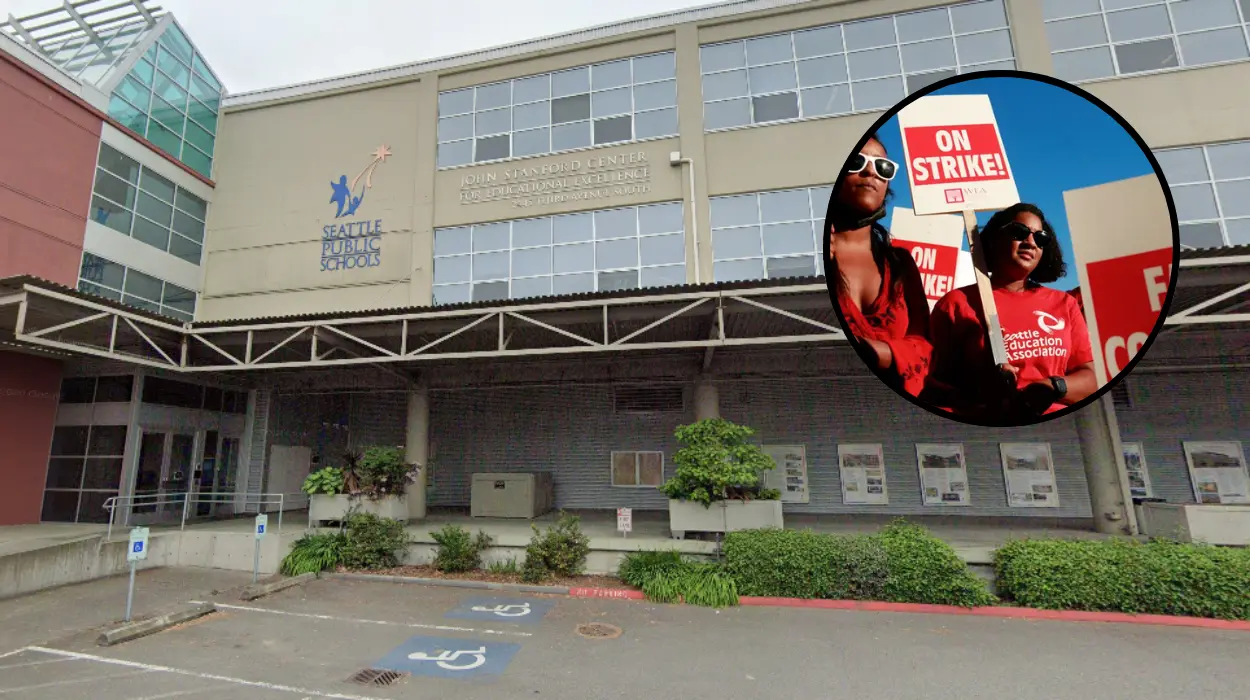
- Impending Strike Deadline: Seattle Public Schools (SPS) and the Seattle Education Association (SEA) have been embroiled in high-stakes, around-the-clock negotiations, holding roughly 24 bargaining sessions.
- Low Agreement Rate: Despite extensive talks, the Seattle Education Association stated that both negotiating bodies had only reached a consensus on roughly 12% of contract terms.
- Disruption to Students: A potential strike places the first day of school for approximately 50,000 local students directly in jeopardy, throwing academic and daily routines into sudden limbo.
- Core Union Demands: The union’s primary advocacy points include demands for smaller class sizes, enhanced special education support systems, and cost-of-living salary adjustments above inflation.
- Parental Strain: Families across the district face abrupt childcare crunches, forcing working parents to scramble for alternatives while community reactions remain deeply divided over the impending labor action.
Seattle (Evening Washington News) August 28, 2026 — As the countdown to the new academic year ticks away, households across the Pacific Northwest’s largest school district find themselves bracing for potential chaos. With contract negotiations between Seattle Public Schools and the local educators’ union hitting critical snags, families have been forced into an anxious waiting game, trying to figure out how to manage childcare, altered schedules, and the emotional toll of yet another potential disruption to public education.
Why Are Seattle Parents Facing Last-Minute Childcare Scrambles?
The looming threat of a work stoppage has sent ripples of stress through local neighborhoods, leaving working mothers and fathers scrambling to secure backup plans. As reported by staff reporters at The Seattle Times, the uncertainty surrounding whether classrooms will open on schedule has created immense logistical hurdles for households that rely heavily on school-day consistency.
Reflecting the anxiety felt across local communities, community member Crystal Watkins spoke about the immediate local impact during an interview covered by KIRO 7 News. As reported by journalist staff at KIRO 7 News, Crystal Watkins described how neighborhood families depend on regular school schedules, stating that:
“So there’s a lot of kids up in this building that go to the school every day. Especially when I take my little brother, I’d be seeing a whole bunch of kids go there. So if they do delay it, I know the mothers, they’ve got to go to work and stuff, got to delay their jobs.”
Adding to the community-wide pressure, educators themselves have voiced a deep reluctance to walk away from their classrooms, even as negotiations stall. As reported by KIRO 7 News, elementary school teacher John Shaw expressed the sentiment held by many educators, stating that:
“None of us wants to go on strike. We want to be in the classroom.”
Explore More Seattle News
Seattle Home Shoppers Look Out of Market in 2026
Washington Behavioral Health Plan Fails in Seattle 2026
What Are the Core Issues Driving the Contract Stalemate?
To understand how families are preparing, it is vital to examine what led to the brink of a strike. Representing roughly 6,000 teachers, paraeducators, counselors, and support staff, the Seattle Education Association has pushed back against the district following months of intense bargaining.
According to coverage by MyNorthwest writer Frank Lenzi, the union and Seattle Public Schools held upwards of 24 negotiation sessions. Despite these marathon talks, Frank Lenzi of MyNorthwest noted that the Seattle Education Association claimed both sides had only agreed on approximately 12% of the contract terms. If an agreement is not finalized, the strike timeline dictates that picket lines could form immediately—right when roughly 50,000 students are scheduled to walk through school gates.
The union’s platform centres heavily on structural reforms inside classrooms. As detailed in reports by Capitol Hill Seattle journalist Justin Carder, educators are demanding measures to ease systemic pressure. As reported by Justin Carder of Capitol Hill Seattle, the union is seeking an agreement focused on shifting resources directly to the classroom, strengthening special education supports, ensuring “respectful pay,” and addressing teacher workloads through smaller class sizes.
How Are Local Families and Educators Responding Online and on the Ground?
The friction between district management and union priorities has sparked intense public discourse. While some community spaces have organized mutual aid networks—echoing past organizing efforts where parents utilized social media platforms to coordinate food and support supplies—other commentators have expressed frustration over the timing and impact on student learning.
Critics of the union’s tactics argue that students, who have already weathered significant historical disruptions, are once again caught in the middle of adult labor disputes. Conversely, labor advocates and parent supporters maintain that fighting for robust special education funding and manageable staff-to-student ratios serves the long-term health of the entire public school system.
As lead negotiators continue their round-the-clock talks through the weekend, the immediate future remains fluid. The Seattle Education Association has scheduled a general membership meeting to vote on any potential tentative agreement should district and union leaders manage to avert a full-scale shutdown before the final deadline. Until then, Seattle parents continue to map out contingency plans, caught in the crossfire of a high-stakes labor battle that highlights deep fractures in urban education policy.