
Key Points
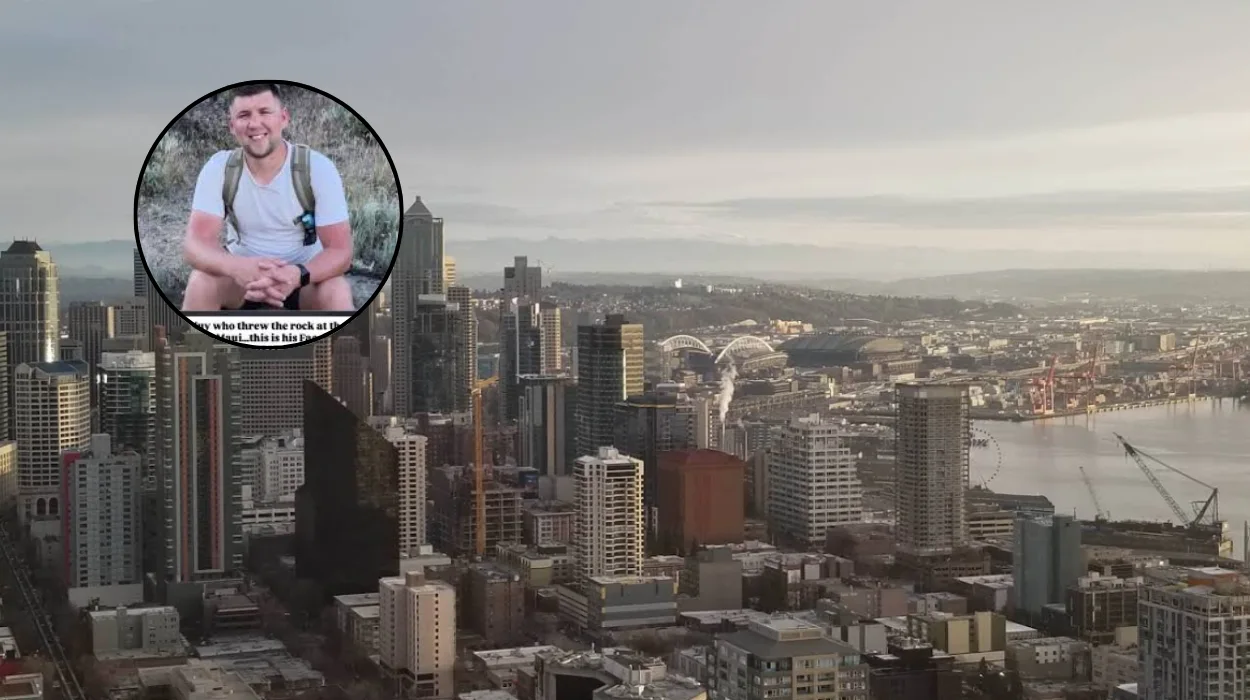
- A 37-year-old man from Seattle, identified in reports as Igor Lytvynchuk, allegedly threw a large rock at an endangered Hawaiian monk seal named “Lani” off the Lahaina shoreline in Maui.
- Witnesses filmed the incident and confronted the man, who reportedly responded, “I don’t care… I’m rich,” and indicated he could pay any fine.
- The Hawaii Department of Land and Natural Resources (DLNR) detained a 37-year-old Seattle resident but did not formally name him; the case was referred to NOAA for federal charges under the Endangered Species Act and Marine Mammal Protection Act.
- Lytvynchuk is linked to Transridge, Inc., a shipping company in Kent, Washington; he resides in Covington, Washington, with his wife Alena Lytvynchuk.
- The seal was unharmed, and the suspect was questioned and released after requesting legal counsel.
- Maui Mayor commented on the incident, though specifics were not detailed in reports.
Lahaina (Evening Washington News) May 11, 2026.A tourist filmed throwing a large rock towards an endangered Hawaiian monk seal off the coast of Lahaina has been identified across local and social media reports as Igor Lytvynchuk, a 37-year-old from the Seattle area. Witnesses confronted the man immediately after the act, capturing his alleged response: “I don’t care… I’m rich.” Hawaii DLNR confirmed detaining a 37-year-old Seattle man but released him pending federal review.
What Happened in the Lahaina Incident?
Kaylee Schnitzer, who recorded the video, shouted at the man during the event:
“What are you doing? Why would you throw a rock at it?”
As reported by The Independent, Schnitzer later told KHON 2:
“We told him that we called the cops, and he was like, ‘I don’t care. Fine me, I’m rich.’ He said that, and he kept walking.”
The footage shows the rock narrowly missing the seal’s head as it swam near the shoreline.
The incident occurred last Tuesday, with the man lifting the rock from the beach before throwing it towards the seal named “Lani.” According to a post on X by @ECOAlphaTango,
“The footage clearly shows him aiming the rock at the seal’s head—a truly unacceptable act. When questioned by witnesses, he reportedly claimed to be ‘rich’ and insisted he could ‘pay any fine.’”
Hoodline reported that those recording confronted him on the sand and later shared his brush-off to reporters.
Authorities responded swiftly. A Facebook post from Cute and Country detailed:
“A Maui vacation turned federal incident after a tourist—identified online as Igor Lytvynchuk, 37, a Seattle-based shipping company owner—was detained by DLNR.”
The seal sustained no injuries, as confirmed in an Instagram reel by Sterling Fournier.
Who is Igor Lytvynchuk?
Lytvynchuk resides in Covington, Washington, previously of Everett, and is married to Alena Lytvynchuk. An Instagram post identified:
“The name of the alleged attacker is Igor Lytvynchuk. Allegedly, married to Alena Lytvynchuk. Both reside in Covington, Washington (formerly of Everett, WA) and own a shipping company called Transridge, Inc. in Kent, Washington.”
Social media linked him to IL Logistics Inc. in one post, though Transridge appears primary.
No formal charges have been filed by authorities, who have not confirmed his name publicly. DLNR detained the suspect, questioned him, and released him after he requested legal counsel, per The Independent. The case referral to NOAA stems from protections for Hawaiian monk seals under federal law.
Why Is Harassing a Monk Seal a Federal Matter?
Harassing, injuring, or killing a Hawaiian monk seal carries penalties including fines or criminal charges. Instagram reel by Sterling Fournier noted:
“Authorities detained the man and referred the case to NOAA for federal charges. Maui Mayor…”
X user @ECOAlphaTango explained:
“The case has since been referred to federal authorities at NOAA, as monk seals are protected under the Endangered Species Act and the Marine Mammal Protection Act.”
State officials emphasised the illegality in statements following the detention. Witnesses’ quick reporting aided the response, though the man’s alleged dismissal highlighted enforcement challenges.
Witness Accounts and Public Reaction
Public outrage spread online post-incident. The Cute and Country Facebook post amplified the video, identifying Lytvynchuk and his business ties. Sterling Fournier’s Instagram reel quoted the confrontation: “…I’m rich, I don’t care.” One social media comment called for repercussions, though no violence occurred in verified reports.
Hoodline covered the confrontation:
“The people recording the clip confronted him on the sand and later told reporters he brushed them off, allegedly saying, ‘I don’t care, I’m rich…’”
These accounts align across platforms, fuelling discussions on wildlife protection in tourist areas.
This episode underscores tensions between visitors and protected species in recovery zones like post-fire Lahaina. DLNR’s actions reflect standard protocol for such violations.
Background of the Development
Hawaiian monk seals, one of the most endangered marine mammals, number around 1,400 globally, with Maui populations recovering slowly after habitat losses from the 2023 wildfires. Lahaina’s shoreline serves as a key pupping and resting area, monitored closely by DLNR and NOAA.
Incidents like this draw from broader patterns of tourist disturbances, including drone harassment and feeding, which prompted 2025 awareness campaigns by Hawaii authorities. Transridge, Inc., Lytvynchuk’s firm, handles freight forwarding in Kent, WA, with no prior public incidents noted.
Predictions: How This Development Can Affect Tourists and Local Conservationists
This development can lead to heightened patrols and signage in Lahaina, potentially increasing fines for bystanders filming without aiding authorities, affecting tourists planning Maui visits. Conservationists may secure more funding for monk seal monitoring via NOAA grants, but repeated incidents could strain DLNR resources, delaying habitat restoration for local communities reliant on eco-tourism.