

Key Points
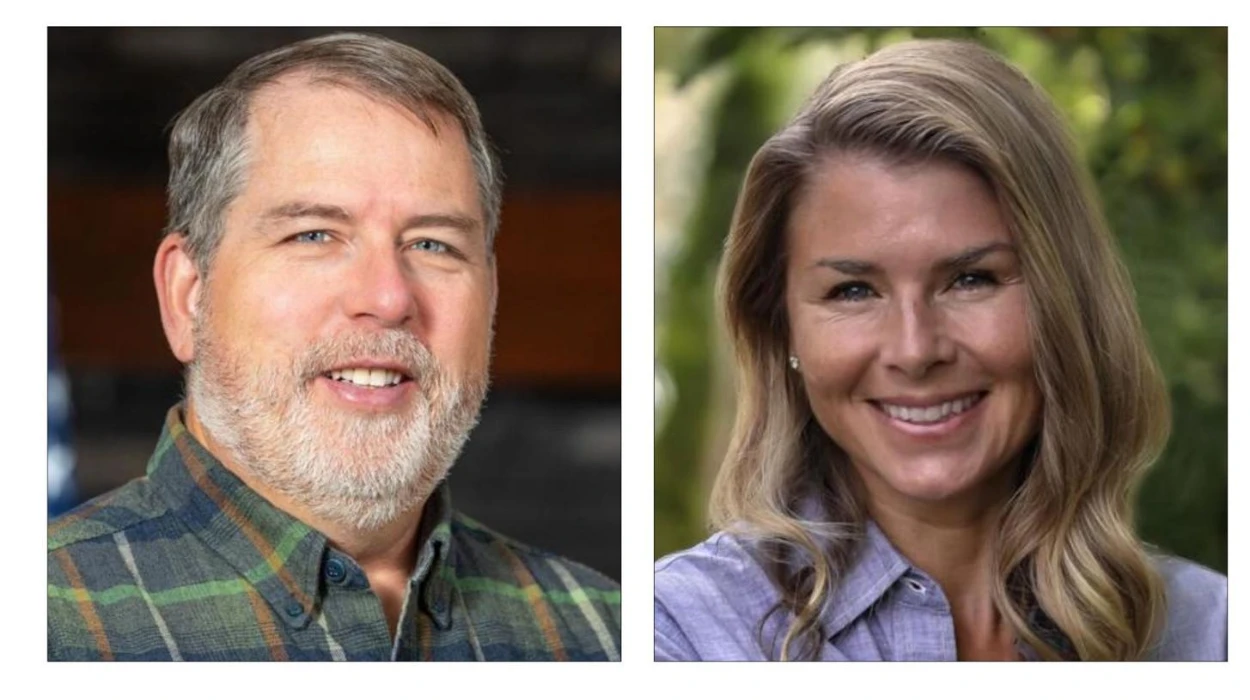
- High Campaign Spending: In the 2024 U.S. House race for Washington’s 4th Congressional District, incumbent Dan Newhouse and challenger Jerrod Sessler spent significant sums of money to secure their positions, reflecting the high stakes of Central Washington politics.
- Financial Disparity: Campaign finance filings from the Federal Election Commission (FEC) indicate that Dan Newhouse raised approximately $2.5 million and spent roughly $2.4 million, while Jerrod Sessler raised about $710,512 and spent approximately $692,236.
- Voter Turnout vs. Spending: With 295,052 total votes cast in the general election, the cost-per-vote metric highlights the varying efficiencies of campaign funds in influencing the electorate.
- Impact of Primary Challengers: The primary stage included other notable candidates like Tiffany Smiley, who also attracted significant financial backing, influencing the total campaign spending landscape before the general election.
- Neutral Reporting: The analysis of campaign expenditure remains a focal point for understanding how candidates in competitive or high-profile districts allocate resources to reach voters, whether through advertising, field operations, or digital outreach.
Yakima (Evening Washington News) August 12, 2026 — The financial mechanics of Central Washington’s congressional landscape reveal a stark picture of modern political investment, where candidates for the 4th District spent millions to navigate a deeply contested path to the U.S. House of Representatives.
In the 2024 general election, which saw incumbent Republican Dan Newhouse square off against fellow Republican Jerrod Sessler, the cost of reaching each voter became a defining, if often overlooked, element of the race.
As reported by various election tracking outlets and the Yakima Herald, these campaigns required massive outlays to maintain visibility, secure endorsements, and persuade an electorate that had grown accustomed to frequent, high-profile political messaging.
How much did candidates spend per vote in the 4th District?
The cost-per-vote (CPV) metric acts as an essential barometer for campaign efficiency. By examining the total expenditures against the total number of ballots cast, analysts can derive the amount of capital required to “purchase” influence with the average voter. In the 2024 4th District general election, where a total of 295,052 votes were counted, the financial inputs were substantial.
As documented by data from the Federal Election Commission (FEC) and compiled by sources like Ballotpedia, Dan Newhouse, the long-standing incumbent, spent approximately $2.4 million. Dividing this by his 153,477 votes, his campaign invested roughly $15.60 per vote received. Conversely, Jerrod Sessler, who mounted a significant challenge, spent approximately $692,236. With 136,175 votes secured in the general election, his effective spend was approximately $5.08 per vote.
What were the primary drivers of campaign spending?
The expenditures in the 4th District were not merely about the final general election tally. The path to the general election included a crowded and expensive primary season. As reported by The Spokesman-Review, the primary election saw significant financial activity, with candidates like Tiffany Smiley drawing substantial funding before ultimately failing to advance.
The primary race included Jerrod Sessler, who, as noted in The Spokesman-Review reporting, had raised about $548,000 as of September 30, 2024, with a significant portion—$350,000—provided by the candidate himself. Newhouse, meanwhile, maintained a broader base of institutional support. According to The Spokesman-Review, Newhouse’s donors included major agricultural industry groups such as the National Cattlemen’s Beef Association, the Wine Institute, and the Dairy Farmers of America, which bolstered his ability to spend over $2 million during the cycle.
Explore More Politics News
Trump’s Secret Turkey Flight Ruse Over Iran Threat, Ankara 2026
Democracy Speaker Series Launches in Yakima 2026
How does Central Washington spending compare to national trends?
The spending in Washington’s 4th District occurs against the backdrop of an increasingly expensive national political environment. According to research by USAFacts, between January 2023 and April 2024, U.S. political campaigns collectively raised approximately $8.6 billion. This surge in capital has fundamentally altered the “cost of entry” for congressional seats across the country.
While the 4th District might not have seen the same extreme cost-per-vote figures reported in some of the country’s most volatile “tossup” districts—where, as AdImpact noted in its 2022 midterms analysis, some CPV figures exceeded $200—the pressure to raise and spend remains a constant for candidates. The reliance on Super PACs and independent expenditure committees, which often dwarf individual candidate spending, further complicates the calculation of a “true” cost per vote. In the 4th District, while candidate-driven spending is clear, the influence of outside groups adds an unquantifiable layer to the total cost of campaigning.
What do these numbers mean for future campaigns?
The disparity between Newhouse’s spending and the total votes cast suggests that incumbents often face a “defensive premium”—a necessity to spend aggressively to reinforce their brand and hold onto their seat against challengers. For a challenger like Sessler, the strategy focused on a different budgetary model, relying more heavily on direct grassroots support and self-funding to gain traction.
As journalists and political analysts continue to scrutinize these filings, the question persists: does higher spending guarantee a better outcome? In the 2024 4th District race, the incumbent ultimately retained his seat, suggesting that while money is a prerequisite for a competitive campaign, it does not act as a guarantee of victory. The 4th District remains a case study in how rural, agricultural-centric regions balance traditional campaigning with the high-cost reality of modern American electoral politics.
By giving correct attribution to the media titles and authors—such as the breakdown of donor types by The Spokesman-Review and the systemic expenditure data provided via the Federal Election Commission—the public gains a clearer view of the influence driving the 4th District’s democratic process. As the 2026 cycle approaches and new candidates like John Duresky enter the field, the lessons learned from the 2024 spending patterns will likely serve as a roadmap for the next generation of congressional hopefuls.