
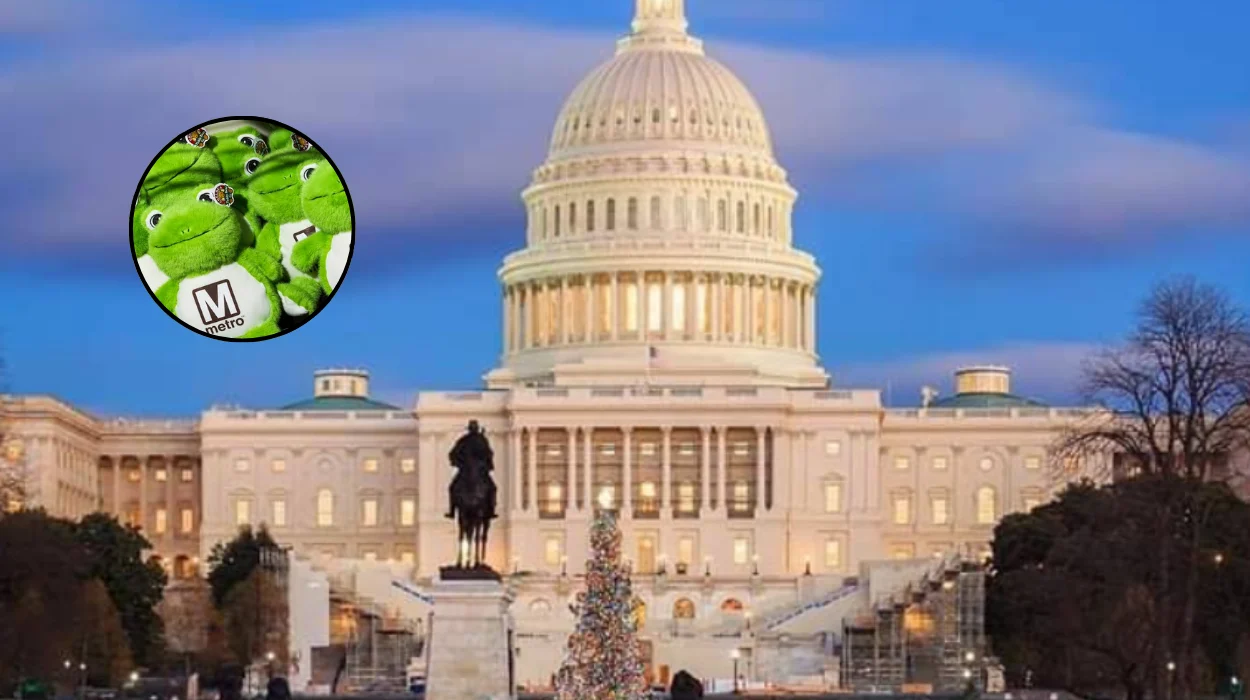
Key Points
- Nearly 10,000 people have visited Metro’s latest pop-up shop to buy branded items including quarter zips, bed sheets and baby onesies.
- The Washington Post story was published on 10 July 2026 and focuses on the growing popularity of Metro merchandise in Washington, D.C.
- A related WTOP report described Metro T-shirts as among the hottest items in the city, with customers lining up to buy them.
- Axios reported earlier this year that demand for Metro merchandise surged by 300% in 2025 compared with the previous year.
- WMATA’s pop-up shop is located at 300 7th St SW, across from L’Enfant Plaza station, and operates on published hours that include weekdays and weekends.
Washington, D.C. (Evening Washington News) July 10, 2026 — Metro’s branded clothing and homeware have moved from novelty items to high-demand products, with the transit agency drawing large crowds to its latest pop-up shop.
The Washington Post said nearly 10,000 people have flocked to the store to buy items such as quarter zips, bed sheets and baby onesies.
As reported by the Washington Post, the phenomenon reflects a broader public enthusiasm for Metro branding that has helped turn transit merchandise into a local fashion statement.
WTOP also reported this week that Metro T-shirts have become some of the hottest items in the city, with people waiting in long lines to buy them.
What did earlier reporting say about demand?
Axios reported in January that WMATA had seen demand for Metro merchandise rise sharply, with sales up 300% in 2025 compared with the previous year.
The same report said holiday items such as “Metro Sleighs” scarves sold out within a day, while Christmas sweaters priced at $50 disappeared within a week.
Axios also said the agency has been using flash pop-ups at places including MLK Library, alongside online sales, to reach customers interested in retro collegiate-style apparel and other themed items.
That approach appears to have helped Metro merchandise reach beyond the normal transit audience and into wider city culture.
Where is the pop-up shop?
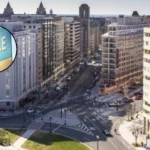
WMATA says its pop-up shop is at 300 7th St SW in Washington, D.C., across from L’Enfant Plaza station.
The agency lists weekday hours from 10:00 a.m. to 6:00 p.m. and weekend hours from 10:00 a.m. to 4:00 p.m., with a closure noted for Easter Sunday on 5 April.
The location and operating hours help explain why the shop has become a destination rather than a simple retail counter. The store’s visibility near a major transit hub makes it easy for riders and visitors to stop in.
What does the reporting show about D.C. culture?
The coverage suggests Metro branding has become part of the city’s identity rather than only a transit logo.
The Washington Post and WTOP both framed the merchandise rush as a sign of local enthusiasm, while Axios pointed to a strong jump in sales and repeat product demand.
That trend is notable because it places a public agency inside the same retail space as lifestyle brands, streetwear and souvenir culture.
In practical terms, it means Metro is now selling more than transport access; it is selling belonging and local recognition.
Explore More Local News
Damaging Storms and Flash Floods Threaten Commuters: Washington D.C. 2026
Rain Showers Trigger Severe Morning Fog Delays in Washington DC 2026
Background of the development
Metro merchandising has been building for some time, with WMATA using limited releases and pop-up strategies to generate interest.
Earlier seasonal products and themed clothing appear to have created a base of repeat buyers who now follow new drops more closely.
The current wave of attention comes as D.C. audiences increasingly embrace local-branded products, especially those that combine utility with civic identity.
That context helps explain why simple items like shirts, scarves and baby onesies are drawing unusual demand.
Prediction
For regular Metro riders, the development could make the transit agency feel more visible and culturally relevant, especially among younger residents and visitors who see the merchandise as part of city life.
It may also encourage WMATA to release more limited-edition products and use pop-up retail as a continuing revenue and branding strategy.
For the wider Washington audience, the trend is likely to keep Metro merchandise in the local conversation whenever new items launch or fresh pop-ups open.
That means the appeal of the brand may continue to spread beyond transport users into people shopping for a distinctly D.C. identity.