
Spokane is a reliable winter destination in Washington because it combines city attractions, snow sports, seasonal events, and easy access to nearby outdoor recreation. This guide covers the main things to do in Spokane in winter, with practical context for travelers planning a cold-weather trip.
- What makes Spokane a winter travel destination?
- What outdoor winter activities are available in Spokane?
- Where should visitors go in downtown Spokane?
- Which seasonal events happen in Spokane in winter?
- What indoor winter activities work best in Spokane?
- Is Spokane good for families in winter?
- What nearby winter day trips should travelers consider?
- How cold is Spokane in winter?
- What is the best Spokane winter itinerary?
- Why does Spokane matter for winter travel in Washington?
What makes Spokane a winter travel destination?
Spokane is a four-season Washington city with downtown attractions, Riverfront Park, ski access, snowshoeing, ice skating, holiday events, and nearby winter scenery. Its winter appeal comes from short drives to mountain activities, walkable city experiences, and a strong seasonal event calendar.
Spokane sits in eastern Washington and serves as a regional hub for the Inland Northwest. In winter, visitors use the city as a base for both urban activities and outdoor recreation. The combination matters because not every winter trip needs to be a ski trip. Spokane offers a mix of public parks, cultural sites, food, skating, and mountain access within a compact travel area.
The city also benefits from nearby winter landscapes. Local tourism sources describe five ski resorts within about two hours of downtown, plus snowshoeing and cross-country ski options in the surrounding region. That access makes Spokane useful for travelers who want flexible winter plans rather than a single-purpose resort stay.
Winter also shapes the atmosphere. Seasonal lighting, holiday displays, and indoor warm-up stops give the city a distinct cold-weather identity. That matters for search intent because many travelers want both “things to do” and “what Spokane feels like in winter,” and the city delivers both.
What outdoor winter activities are available in Spokane?
Spokane offers snowshoeing, skiing, snowboarding, cross-country skiing, ice skating, winter wildlife viewing, and snowy park walks. These activities cover both active travelers and casual visitors who want short, easy outings in cold weather.
The strongest outdoor winter activity in Spokane is mountain recreation. Visit Spokane says the region has five ski resorts within two hours of downtown, which places downhill skiing and snowboarding firmly within a Spokane winter trip. Mt. Spokane is the closest well-known option and appears frequently in winter tourism coverage.
Snowshoeing is another core activity. Spokane tourism materials highlight snowshoe routes and guided outings in the region, including trips around Mt. Spokane and Newman Lake. Snowshoeing works well for winter visitors because it requires less technical skill than skiing and still gives access to snowy trails and forest scenery.
Cross-country skiing is also part of the local winter mix. Regional tourism information points to winter trail opportunities in the mountains surrounding Spokane. That makes the area appealing for travelers who prefer endurance recreation over lift-served downhill runs.
Ice skating gives visitors a city-based outdoor option. The Numerica Skate Ribbon in Riverfront Park is described by Visit Spokane as the first and currently only ice ribbon on the West Coast, with a 650-foot route and a pond section for skating. This is one of Spokane’s signature winter experiences because it combines recreation with a central downtown location.
Where should visitors go in downtown Spokane?
Downtown Spokane centers winter travel around Riverfront Park, the Numerica Skate Ribbon, the Spokane Falls area, hotels, restaurants, and seasonal public spaces. The downtown core gives travelers easy access to indoor comfort and outdoor winter scenery in the same trip.
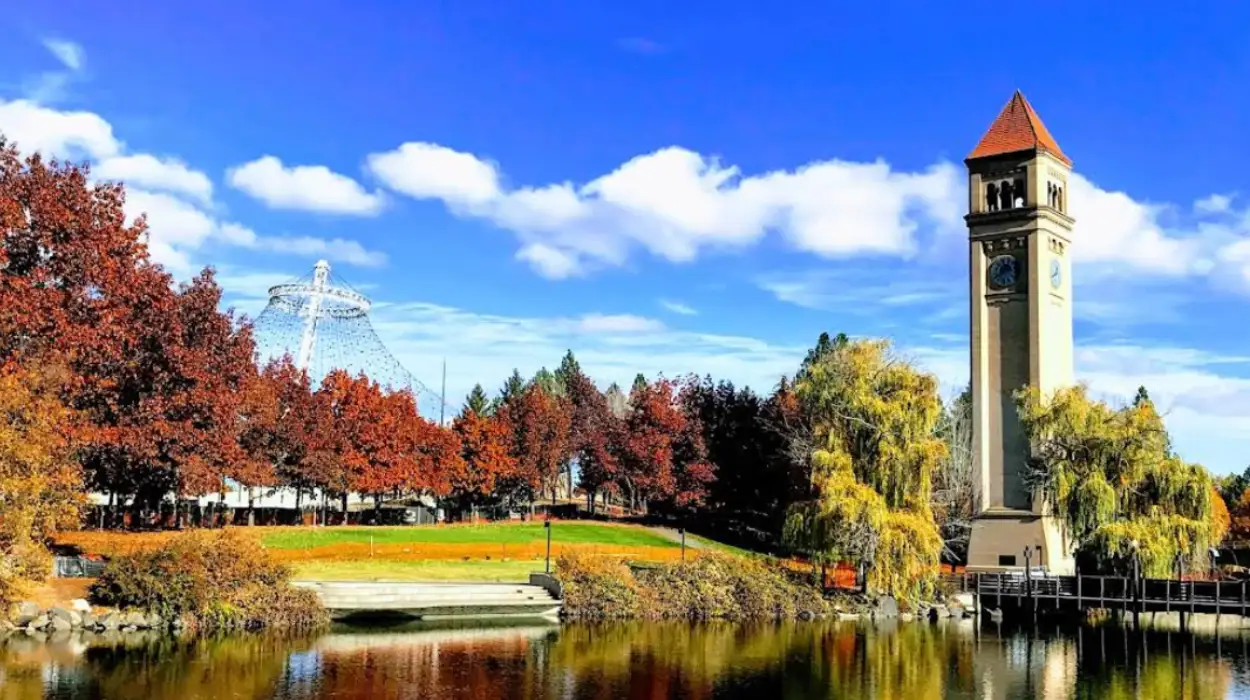
Riverfront Park is the most important downtown winter stop. It anchors many seasonal activities and gives visitors access to skating, lights, walking paths, and views over the Spokane River. The park also works as a simple navigation point for first-time visitors because it sits in the center of the city’s tourist area.
The Numerica Skate Ribbon is the standout downtown attraction. Visit Spokane describes it as a 650-foot ice ribbon with evergreen landscaping, fire pits, and nearby warm-up space at the Sky Ribbon Cafe. That structure makes it useful for families, couples, and solo travelers because skaters can stay active without leaving the urban center.
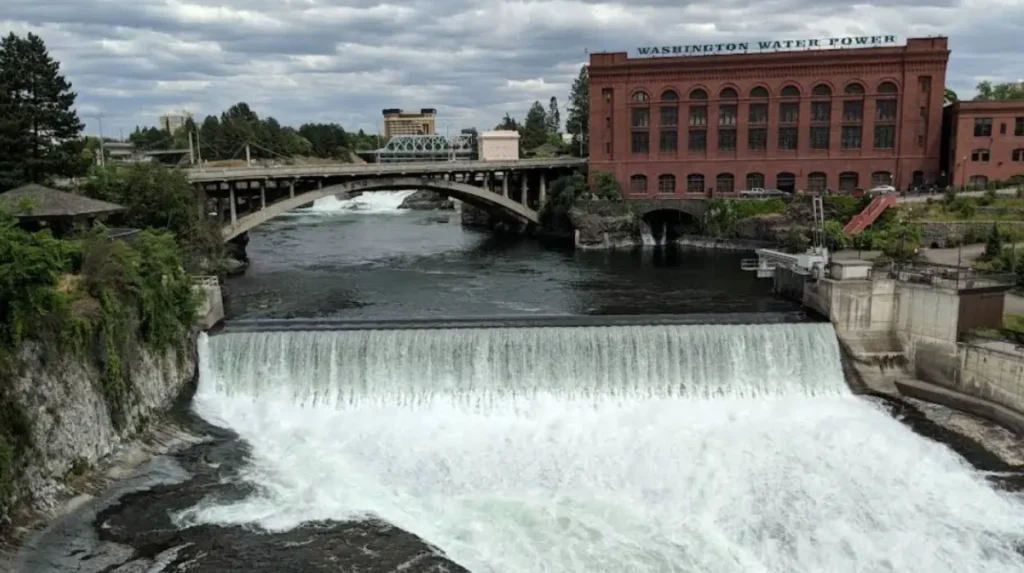
Spokane Falls adds winter scenery to the downtown experience. The falls and river corridor remain visually strong in cold weather, and local tourism coverage presents the area as a major part of Spokane’s winter appeal. Visitors who want a short itinerary can combine a Riverfront Park walk, skating, and dinner downtown in one evening.
Downtown also matters because it reduces transportation friction. Winter travel is easier when restaurants, events, and attractions sit close together. Spokane’s central layout supports that kind of trip, especially for visitors who want to avoid long winter drives after dark.
Which seasonal events happen in Spokane in winter?
Spokane hosts holiday events, tree displays, performances, market-style shopping, and family-friendly seasonal programming through late fall and winter. These events give the city a festive calendar beyond sports and outdoor recreation.
Visit Spokane’s winter event coverage highlights recurring holiday programming in the region, including The Nutcracker, Santa’s Arrival at River Park Square, Christmas Tree Elegance, and BRRRZAAR at River Park Square. These events create a strong seasonal identity and attract visitors who want a winter city break rather than a mountain-only trip.
Tree displays are a major Spokane tradition. Spokane Symphony Associates’ Tree Elegance event is described as a 13-day holiday display with decorated trees at the Historic Davenport Hotel and River Park Square, and regional coverage says it attracts more than 100,000 attendees. That scale makes it one of the city’s most notable winter cultural events.
Holiday light experiences also shape winter travel. Visit Spokane describes the downtown holiday season as running from mid-November through New Year’s Eve, with the region “sparkling” during that period. That timing helps travelers plan December trips around events, shopping, and evening outings.
Seasonal events matter for SEO and trip planning because winter visitors often search by intent, not by attraction name. They want “holiday things to do,” “family winter events,” and “Spokane Christmas activities,” and Spokane’s event calendar directly serves those queries.
What indoor winter activities work best in Spokane?
Spokane has indoor winter activities such as museums, theaters, wineries, restaurants, hot drinks, shopping, and historic hotel experiences. These options matter when temperatures drop or when travelers want a slower pace between outdoor activities.
Indoor dining is one of the easiest winter experiences in Spokane. Visit Spokane notes that the city has a strong food and beverage scene, including wineries, tasting rooms, and restaurants in downtown Spokane and nearby districts. That gives travelers a practical fallback for cold afternoons or evenings after skating or skiing.
The city’s wine scene is especially useful in winter. Visit Spokane points to wineries within walking distance in downtown Spokane and additional options in Spokane Valley and Green Bluff. That concentration supports a simple winter itinerary built around lunch, tasting rooms, and a warm evening meal.
Historic hotels also function as winter attractions. The Davenport Hotel appears repeatedly in winter event coverage because of its holiday displays and public spaces. That makes it more than a place to sleep; it becomes part of the seasonal experience.
Indoor entertainment helps balance Spokane’s winter climate. Theater, live performance, and warm public venues give visitors alternatives when road conditions or weather reduce the appeal of outdoor recreation. For many travelers, that balance is the reason Spokane works as a winter city break.
Is Spokane good for families in winter?
Spokane is family-friendly in winter because it combines skating, holiday lights, easy park visits, festive events, mountain activities, and restaurant options. Families can build short, flexible trips without needing advanced outdoor skills.
The Numerica Skate Ribbon is especially family-friendly because it offers a central, visual, low-pressure winter activity. Children, parents, and multigenerational groups can all use it, and the nearby park setting gives families space to walk and rest between activities.
Holiday events are another family draw. Visit Spokane highlights Santa’s Arrival at River Park Square and seasonal festival programming that runs through the winter holiday period. These events support shorter visits because families can pair one event with dinner or shopping downtown.
Snow-based recreation also works for families, especially at lower-skill levels. Tourism sources highlight snowshoeing as accessible and beginner-friendly. That makes it a practical winter choice for families who want outdoors time without committing to skiing lessons.
Family travel in Spokane also benefits from the city’s compact layout. Attractions sit close enough together that travelers can keep young children out of the car for long periods. That matters in winter, when shorter transitions improve comfort and reduce exposure to cold.
What nearby winter day trips should travelers consider?
Spokane works well as a base for winter day trips to mountain resorts, snowy parks, wildlife areas, and nearby communities. These side trips expand the itinerary beyond downtown and give visitors more winter variety.
Mt. Spokane is one of the clearest day-trip choices. It appears in Visit Spokane’s winter activity coverage as a major place for skiing, snowshoeing, and other snow sports. Travelers staying in the city can reach mountain terrain without changing hotels.
Riverside State Park is another strong option. Spokane-area tourism coverage identifies it as a large Washington state park northwest of the city, with protected forest along the Spokane and Little Spokane rivers. That makes it useful for snowshoeing, winter walking, and quiet scenery close to town.
Green Bluff is useful for seasonal farm visits, tree cutting, and holiday countryside experiences. Tourism sources describe tree-cutting trips and winter farm visits there, including wreaths, garlands, and hot cider. It gives visitors a rural contrast to downtown Spokane.
Winter wildlife viewing and birdwatching also fit the region. Visit Spokane points to Turnbull National Wildlife Refuge for winter birding, including species such as woodpeckers, nuthatches, and red crossbills. That makes the broader Spokane area attractive to travelers who prefer quiet nature-based outings.
Explore More Things to do
Comprehensive Guide to Spokane River Kayaking Routes and Scenic Walking Trails
Spokane Downtown Walking Guide for First-Time Visitors
How cold is Spokane in winter?
Spokane has a cold winter climate with snow, freezing temperatures, and short daylight hours, so proper clothing and trip planning matter. Seasonal weather shapes how long visitors stay outdoors and which activities work best.
Travel sources for Spokane consistently emphasize cold conditions and winter preparedness. A Spokane relocation video referenced in search results reports about 45 inches of snow annually and temperatures that can dip into the single digits. That gives travelers a realistic sense of the season’s severity.
Cold weather affects activity choice. Outdoor skating, snowshoeing, and skiing remain popular, but most visitors also need indoor breaks, warm layers, gloves, hats, and water-resistant footwear. Spokane tourism sources repeatedly recommend bundle-up conditions and winter gear.
Weather also affects timing. Shorter daylight hours make morning and early afternoon the best windows for outdoor outings. Evening travel works best when the itinerary includes a downtown dinner, a hotel near attractions, or an indoor event afterward.
That climate is not a drawback when trip planning is realistic. Spokane’s winter identity depends on the season itself, and visitors who arrive prepared gain access to the city’s strongest experiences rather than treating cold weather as a disruption.
What is the best Spokane winter itinerary?
A strong Spokane winter itinerary combines one outdoor anchor, one downtown experience, one seasonal event, and one indoor warm-up stop. This structure gives visitors variety, keeps travel times short, and matches the city’s winter strengths.
A simple one-day plan starts downtown. Begin with Riverfront Park and the Numerica Skate Ribbon, continue to Spokane Falls for scenery, then finish with dinner or a tasting room in the city center. That route works well because it minimizes winter driving.
A second-day option shifts to mountain recreation. Spend the morning snowshoeing or skiing at Mt. Spokane, then return to the city for a restaurant meal or a holiday event. This creates a balanced winter trip that uses both Spokane’s urban core and nearby snow country.
A family-focused itinerary can emphasize holiday events and skating. Combine River Park Square’s seasonal programming with the skate ribbon and a tree display at the Davenport Hotel. That plan fits travelers who want a festive winter visit without demanding outdoor exertion.
A longer winter stay works best when it mixes pace and location. Spokane functions well as a base for two-night or three-night trips because visitors can rotate between downtown, nearby parks, and mountain day trips without exhausting the schedule.
Why does Spokane matter for winter travel in Washington?
Spokane matters because it gives Washington travelers a true winter city with snow sports, park access, holiday events, and indoor comfort in one place. It serves both regional travelers and visitors who want a complete cold-weather destination.
Many Washington winter destinations lean either urban or alpine. Spokane combines both. That combination gives the city broader appeal for road trippers, families, couples, and outdoor travelers who want flexible plans.
Spokane also fills an important geographic role in eastern Washington. It provides a major city base for winter recreation in the Inland Northwest, where access to mountains, wildlife areas, and seasonal attractions shapes the travel experience.
Is Spokane worth visiting in winter?
Yes. Spokane is one of Washington’s best winter destinations because it combines downtown attractions, snow sports, seasonal events, Riverfront Park, and easy access to nearby ski resorts and outdoor recreation.