Key Points
- Queer Eye is returning for its tenth and final season, set in Washington, D.C., and is now streaming on Netflix.
- The Fab Five – Tan France, Jonathan Van Ness, Jeremiah Brent, Karamo Brown, and Antoni Porowski – are reuniting for one last round of makeovers with a group of Washingtonians.
- The season focuses on style, grooming, interior design, culture, and food and drink, continuing the show’s mission to “level up” people’s lives.
- This final season is framed as a celebration of the series’ legacy, which has earned 37 Emmy nominations and 11 wins, including multiple Outstanding Structured Reality Program awards.
- As the longest‑running unscripted Netflix series, Queer Eye is positioned as having redefined feel‑good reality television over the past seven years.
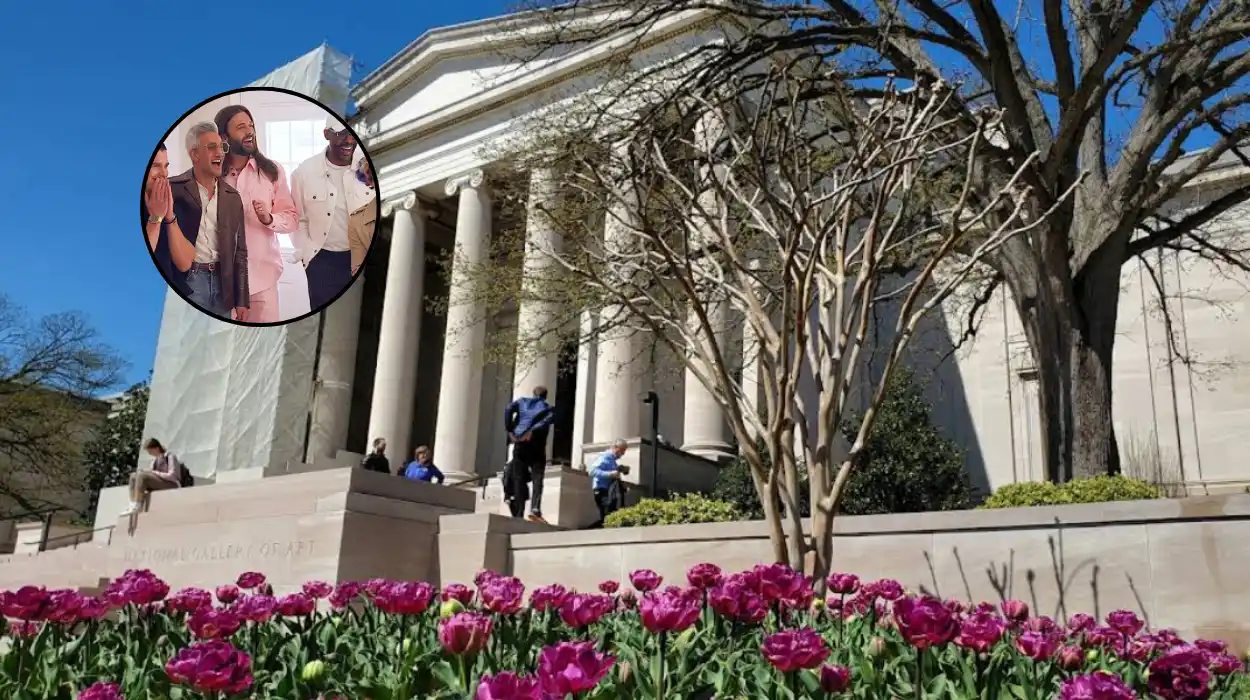
Washington, D.C. (Evening Washington News) May 20, 2026 – Queer Eye has returned for what is billed as its final season, with the Emmy‑winning lifestyle reality series relocating to the nation’s capital for its tenth instalment. According to a Netflix announcement published on the platform’s official blog, Queer Eye Season 10 is now streaming on Netflix, marking the show’s swan‑song chapter after more than seven years on the platform.
- Key Points
- Why is this season being described as the “final” one?
- Who are the Fab Five working with in Washington, D.C.?
- How does this season honour the show’s legacy?
- What role do the Fab Five play in the new season?
- What makes this the longest‑running unscripted Netflix series?
- Background of the development
- Prediction: How this development might affect audiences
The move to Washington, D.C., places the Fab Five squarely inside the political and cultural heart of the United States, where, as the synopsis notes, they will work with a group of “Washingtonians” on a series of personal transformations. The shift from previous seasons’ locations – including Atlanta, Kansas City, and Japan – signals a deliberate effort to tap into the city’s blend of formal institutions and grassroots communities.
Why is this season being described as the “final” one?
Netflix’s official promotional material describes Season 10 as the show’s “fab final season,” indicating that this is the planned concluding run for the current iteration of the series.
In the write‑up prepared by Netflix’s editorial team, the producers note that the Fab Five are back for
The phrase “one last round” is repeated in the copy, suggesting that the creative team and the platform have agreed this will be the last season under the current format and cast, although the blog does not explicitly rule out spin‑offs, specials, or future revivals.
No direct statement from the Fab Five themselves is quoted in the announcement to confirm that they will not return in any future form, so the finality is framed more as a creative milestone than an absolute endpoint.
Who are the Fab Five working with in Washington, D.C.?
The promotional write‑up states that the Fab Five will be “spotlighting a group of Washingtonians,” though it does not list individual names or provide detailed biographies of the season’s featured participants.
As reported by Netflix’s in‑house editorial staff, these new “heroes” are portrayed as ordinary people whose lives will be “levelled up” through tailored interventions in style, grooming, interior design, culture, and food and drink.
The term “heroes” is used consistently throughout the Netflix description to describe the participants, echoing the show’s long‑standing narrative of uplifting everyday people rather than traditional celebrities.
This language sits at the core of the programme’s branding, which positions the transformations as both cosmetic and emotional journeys.
However, the announcement does not disclose specific occupations, backgrounds, or issues faced by the Washington‑based participants, only that they will be guided by the Fab Five’s expertise.
How does this season honour the show’s legacy?
Alongside the local‑set stories, Season 10 is being framed as a celebration of Queer Eye’s broader cultural impact. According to the Netflix Tudum article by the platform’s editorial team, the series has, over its run, earned 37 Emmy nominations and 11 wins.
The write‑up further notes that the show continues to hold the record for the most wins in the Outstanding Structured Reality Program category, underlining its status within the unscripted‑television landscape.
These accolades are cited not as footnotes but as central pillars of the announcement, which positions the final season as both a continuation and a culmination of that award‑winning run.
The tone in the promotional text is celebratory, emphasising how the series has “delighted a nation” with its heartfelt transformations, rather than focusing on behind‑the‑scenes production decisions or ratings figures.
What role do the Fab Five play in the new season?
Netflix’s announcement reiterates the established division of labour among the Fab Five: Tan France in style and fashion, Jonathan Van Ness in grooming, Jeremiah Brent in interior design, Karamo Brown in culture and emotional well-being, and Antoni Porowski in food and drink. As described by Netflix’s editorial team, the group will again work together to “level up” their heroes’ lives
The term “Hip Tips” is treated as a branded shorthand for the show’s recurring segments in which the Fab Five dispense quick, practical advice, often involving budget‑friendly products or time‑saving routines.
The reference to these tips in the Netflix copy suggests that Season 10 will retain the familiar format and pacing of earlier seasons, even as it shifts geographic setting.
What makes this the longest‑running unscripted Netflix series?
The Netflix article highlights that Queer Eye is the longest‑running unscripted series on the platform, a distinction that is presented as a key part of its legacy.
No other Netflix show is directly named in the announcement as being shorter‑running, so this claim is framed as a comparative benchmark rather than a detailed statistical breakdown.
The statement is accompanied by the Emmy statistics already mentioned, which function as supporting evidence of the show’s sustained presence and critical recognition.
Combined, these details position the final season as both a long‑overdue capstone and a confirmation of the programme’s staying power within a streaming landscape often dominated by short‑form or rapidly axed series.
Background of the development
Queer Eye – originally titled Queer Eye for the Straight Guy in its early 2000s iteration – was revived by Netflix in 2018 as a rebooted, more inclusive version of the format.
The streaming‑era version relocated the stories from New York and other cities to smaller communities and urban centres across the United States, gradually expanding its international footprint with special seasons such as Queer Eye: Japan.
Over the course of nine seasons, the show developed a reputation for blending makeovers with emotional storytelling, often touching on themes such as mental health, family dynamics, and identity. The transition to Washington, D.C.
for the tenth season aligns with that pattern of rotating locales while also signalling a symbolic endpoint: bringing the series back to the nation’s capital may be read as a way of re‑anchoring the show’s narrative in the broader American political and social context from which many of its storylines have been drawn.
Prediction: How this development might affect audiences
For fans of Queer Eye, the announcement of a final season set in Washington, D.C., is likely to generate heightened interest in both the political symbolism of the location and the emotional closure promised by a farewell run.
The mix of Emmy‑season‑level polish and the show’s characteristic feel‑good tone could attract a wider viewership, particularly among audiences who may not have watched consistently but are drawn in by the “final chapter” framing.
For Washington, D.C.‑based viewers, the season may resonate on a more local level, as seeing the city’s residents and neighbourhoods featured in a major global format can reinforce a sense of recognition and visibility.
The programme’s emphasis on community, self‑improvement, and everyday heroism may also encourage viewers to reinterpret their own environments through the show’s lens, potentially influencing local conversations around style, mental health, and civic identity.
Across the broader streaming audience, the positioning of Queer Eye as the longest‑running unscripted Netflix series may also prompt renewed attention from industry analysts and television‑criticism outlets, who could use the final season as a moment to reassess the show’s impact on the reality‑television genre and to examine how its mix of warmth and production values has influenced subsequent Netflix originals.