Key Points
- A notable number of Republican members of Congress are running for governor in 2026, reflecting frustration with federal gridlock and a strategic shift toward state-level power.
- Twelve GOP lawmakers from both chambers are seeking gubernatorial office, with 10 current House members among them, according to Ballotpedia.
- Republican Governors Association chair Greg Gianforte says state-level offices are crucial to counter federal policies and cited affordability as the GOP’s central message.
- Party infighting in Congress, rising gas prices, and international tensions (notably the war in Iran) are complicating Republican messaging ahead of the midterms.
- Democrats remain optimistic about taking back the House and have targeted several gubernatorial contests, with Sabato’s Crystal Ball shifting several races toward Democrats.
- Critics warn that Republicans running for governor in battleground states include figures who have undermined election processes, raising concerns about oversight of the 2028 election administration.
- Comments and analysis quoted in this piece are attributed to reporting by USA TODAY and named reporters where statements are cited.
Washington (Evening Washington News) May 18, 2026 – As the 2026 midterm elections approach, an unusual migration of Republican lawmakers from Capitol Hill to statehouses has emerged, driven by frustration with federal gridlock, a desire to influence policy closer to home, and strategic calculations about where long-term power can be consolidated. Twelve GOP members of Congress have launched gubernatorial bids, with 10 of those challengers coming from the U.S. House, Ballotpedia records show. The trend underscores a larger evolution in American politics: contested policymaking and consequential fights increasingly happening at the state level, not just in Washington.
- Key Points
- What are the reasons GOP lawmakers give for shifting to state politics?
- How does federal dysfunction influence these choices?
- Which national factors complicate the GOP’s message on affordability?
- What are Democrats saying about the GOP’s gubernatorial push?
- Which Republican figures are prominent in the movement to state-level power?
- How might the presence of former or current federal officials in governors’ offices change state-federal interactions?
- Are there concerns about election oversight if these Republicans win governorships?
- Which races are viewed as particularly competitive?
- Could the GOP strategy of emphasising affordability work for them in 2026?
- How do analysts and partisans assess the long-term calculations behind the migration to state offices?
- How has USA TODAY attributed and presented comments in coverage of this trend?
- Background of the development
- Prediction: How this development can affect voters, state officials, and national politics
What are the reasons GOP lawmakers give for shifting to state politics?
As reported by Zachary Schermele of USA TODAY, Greg Gianforte, chair of the Republican Governors Association and the two-term governor of Montana, framed the movement as pragmatic. Gianforte told USA TODAY in an exclusive interview that state administrations are “the last barrier” to what he characterised as chaotic federal policymaking and that having “battle-tested conservatives” in governors’ mansions is essential to protect state interests.
He emphasised affordability as a central GOP theme for 2026, arguing Republicans can offer solutions through tax relief, fraud crackdowns, and policies that encourage wage growth in Republican-led states.
How does federal dysfunction influence these choices?
As reported by multiple USA TODAY pieces, GOP discontent with federal institutions — including infighting in Congress and difficulties advancing a cohesive agenda despite holding the White House, Congress, and the Supreme Court — has contributed to the trend.
Elected officials frustrated by what they describe as Washington dysfunction see governorships as arenas where they can effect tangible policy changes and build political records that matter to voters.
Which national factors complicate the GOP’s message on affordability?
USA TODAY reporting notes that outside factors — rising gas prices, spiking inflation, and a divisive war in Iran — have complicated Republican messaging on pocketbook issues. The White House has pursued measures such as urging Congress to suspend the federal gas tax and pushing housing reform, but President Donald Trump’s public comments have at times muddied the party’s affordability message.
As quoted in USA TODAY, Trump told reporters on May 12 that his primary concern is preventing Iran from obtaining a nuclear weapon and said,
“I don’t think about Americans’ financial situation. I don’t think about anybody. I think about one thing.”
That statement, and other messaging inconsistencies, have given Democrats political openings to frame Republicans as out of step with voters’ economic concerns.
What are Democrats saying about the GOP’s gubernatorial push?
Kentucky Governor Andy Beshear, head of the Democratic Governors Association, told USA TODAY that Democrats are focused on solutions voters care about, including reducing costs, creating jobs, investing in education, and protecting healthcare.
Beshear argued that Democratic governors can show clear contrasts with what he described as chaos under the current administration, and that public sentiment favours Democratic approaches in key contests.
Which Republican figures are prominent in the movement to state-level power?
Greg Gianforte has taken a visible leadership role as chair of the Republican Governors Association, pushing the “affordability” message. Meanwhile, GOP members such as Rep. Andy Biggs, who is running for Arizona governor, have voiced support for state-level campaigns. Rep.
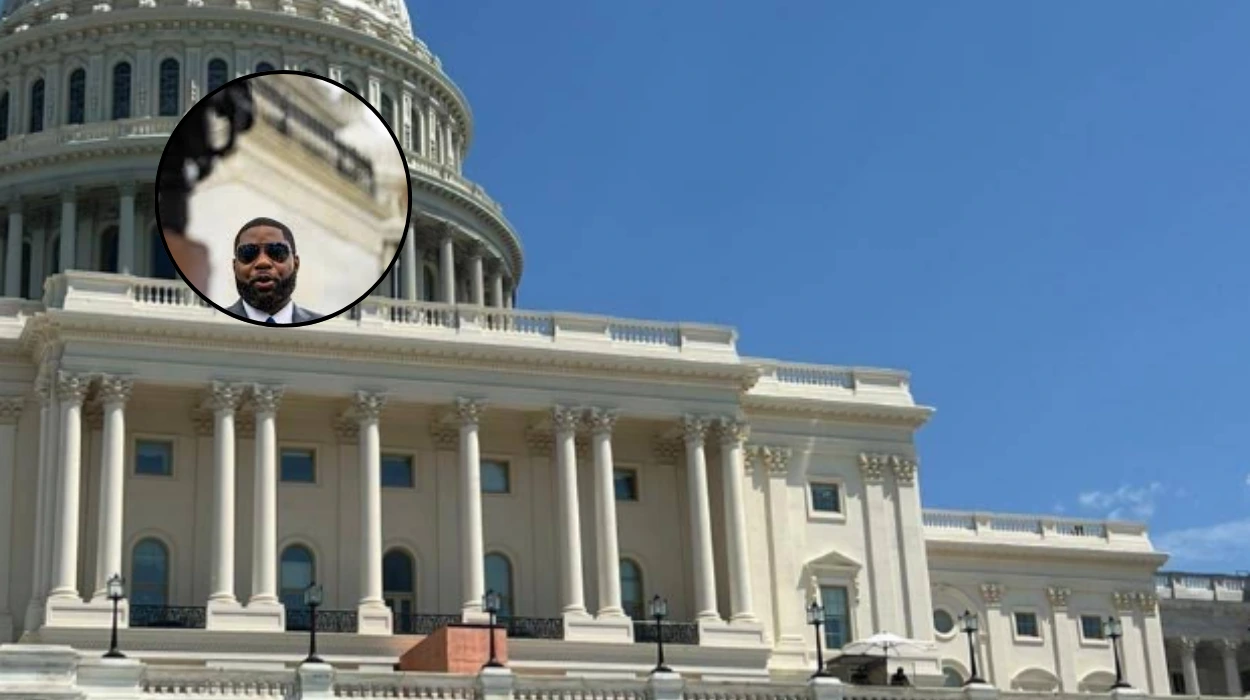
Byron Donalds, mentioned in reporting as a leading figure and a frontrunner in Florida’s gubernatorial race, called Gianforte’s role important for recruiting and supporting conservative gubernatorial hopefuls.
How might the presence of former or current federal officials in governors’ offices change state-federal interactions?
Gianforte and other proponents argue that governors with federal experience can efficiently counteract policies they oppose in Washington and execute conservative priorities at the state level. They see state governments as the final bulwark to curb federal overreach.
Critics and analysts suggest, however, that this shift may escalate partisan battles over policy and oversight, particularly when former federal officials who questioned or undermined election integrity seek control of state election machinery.
Are there concerns about election oversight if these Republicans win governorships?
Yes. USA TODAY coverage highlights concerns from election-integrity advocates and Democrats that Republicans seeking governors’ mansions in battleground states may have histories of undermining elections.
Those concerns are politically consequential because governors play key roles in certifying elections, appointing secretaries of state, or influencing state legislatures — all mechanisms that could shape the administration of the 2028 presidential election.
Which races are viewed as particularly competitive?
Election analysts from Sabato’s Crystal Ball, cited by USA TODAY, recently adjusted ratings for several states, shifting six gubernatorial contests toward Democrats while still noting Republicans’ advantage in total governorships nationwide.
Key battlegrounds mentioned in reporting include Arizona, Wisconsin, Michigan and Georgia. Sabato analysts Kyle Kondik and J.
Miles Coleman wrote that Republicans may be better positioned to maintain an overall advantage in governorships, defying the typical midterm losses for the president’s party — but the landscape remains fluid.
Could the GOP strategy of emphasising affordability work for them in 2026?
Gianforte said affordability can be a winning issue for the GOP and accused Democrats of attempting to co-opt that message. The party’s strategy focuses on tax cuts, anti-fraud measures, and policies they say drive wage growth.
However, Republican messaging has been challenged by the president’s inconsistent statements and policy priorities, which have sometimes shifted focus away from everyday economic concerns to national security issues.
Democrats have seized on these mixed signals to argue their candidates offer more concrete plans to ease the cost-of-living pressures voters face.
How do analysts and partisans assess the long-term calculations behind the migration to state offices?
Political analysts observe that both parties increasingly recognise the strategic value of state governments: legislatures and governors control redistricting, election laws, and many policy areas that directly affect citizens.
For Republicans, running federal lawmakers for governor is a way to consolidate power where consequential decisions are being made. For Democrats, defending and flipping governors’ offices is vital to preserving policy gains and safeguarding electoral processes.
The 1994 Republican red wave established a long-term GOP advantage in many statehouses; today’s contests will test which party can consolidate or regain ground.
How has USA TODAY attributed and presented comments in coverage of this trend?
USA TODAY reporters, including Zachary Schermele, provided on-the-record interviews and analysis. For example, Schermele’s reporting quotes Gianforte directly and conveys statements from Republicans and Democrats alike.
The paper’s graphics reporter, Jennifer Borresen, contributed visual analysis to explain trends in gubernatorial races and polling changes, and Sabato’s Crystal Ball analysis by Kyle Kondik and J. Miles Coleman was cited for shifts in race ratings.
Background of the development
The trend of federal lawmakers running for governor reflects broader shifts in American political strategy and institutional importance. Since the 1994 Republican wave, control of state government has been a major partisan objective; governors and legislatures shape redistricting, implement or resist federal regulations, and administer elections. In recent years, high-profile policy battles — on healthcare, voting laws, abortion, and education — have moved decisively to state capitals, increasing the political stakes of gubernatorial contests.
Additionally, public frustration with congressional gridlock and polarised Washington politics has made the state-level platform attractive for politicians seeking more immediate policy impact and clearer lines to voters.
The Republican Governors Association, under leaders such as Greg Gianforte, has prioritised recruiting candidates who can appeal to pocketbook issues and consolidate state-level power. Simultaneously, Democrats have mobilised resources to defend and flip governorships given their importance for 2028 and beyond.
Prediction: How this development can affect voters, state officials, and national politics
- For voters: A surge in high-profile gubernatorial campaigns by federal officials may heighten media attention and increase voter engagement in state races. Voters could benefit from clearer policy contrasts, but they may also face intensified partisan messaging and nationalised campaign narratives, making local issues harder to isolate from national politics.
- For state officials and governance: Governors with federal experience could accelerate policy implementation and coordination with Washington, particularly where state and federal priorities align. Conversely, strong partisan alignment between governorships and the federal administration could produce more aggressive state-level resistance or cooperation on contentious issues, affecting everything from healthcare and education to environmental rules and election administration.
- For national politics: Shifting experienced federal lawmakers into state roles may reshape the talent pipeline in both parties and alter the balance of power ahead of the 2028 presidential race. Control of more governorships could enable a party to influence redistricting, election administration and major legal fights, thereby amplifying the strategic stakes of gubernatorial outcomes beyond state borders.
- For election integrity and oversight: If candidates with histories of challenging election norms win governorships in battleground states, there may be increased scrutiny and legal challenges around how elections are administered in 2028. That could prompt federal and state-level litigation, legislative responses and scrutiny from civic organisations.