Key Points
- Sea-Tac Airport reached 81 degrees, breaking the daily record high of 77 degrees set in 1992.
- Olympia hit 84 degrees, surpassing its previous record high of 80 degrees set in 1992.
- Forecasters linked the warm spell to higher pressure aloft over Western Canada and offshore flow across Western Washington.
- Temperatures were expected to ease slightly from Monday, although many interior areas were still likely to stay warm.
- Longer-range outlooks pointed to above-normal temperatures through much of the first half of May, with little significant rain expected until mid-month.
Washington (Evening Washington News) May 5, 2026
How did Seattle and western Washington break heat records?
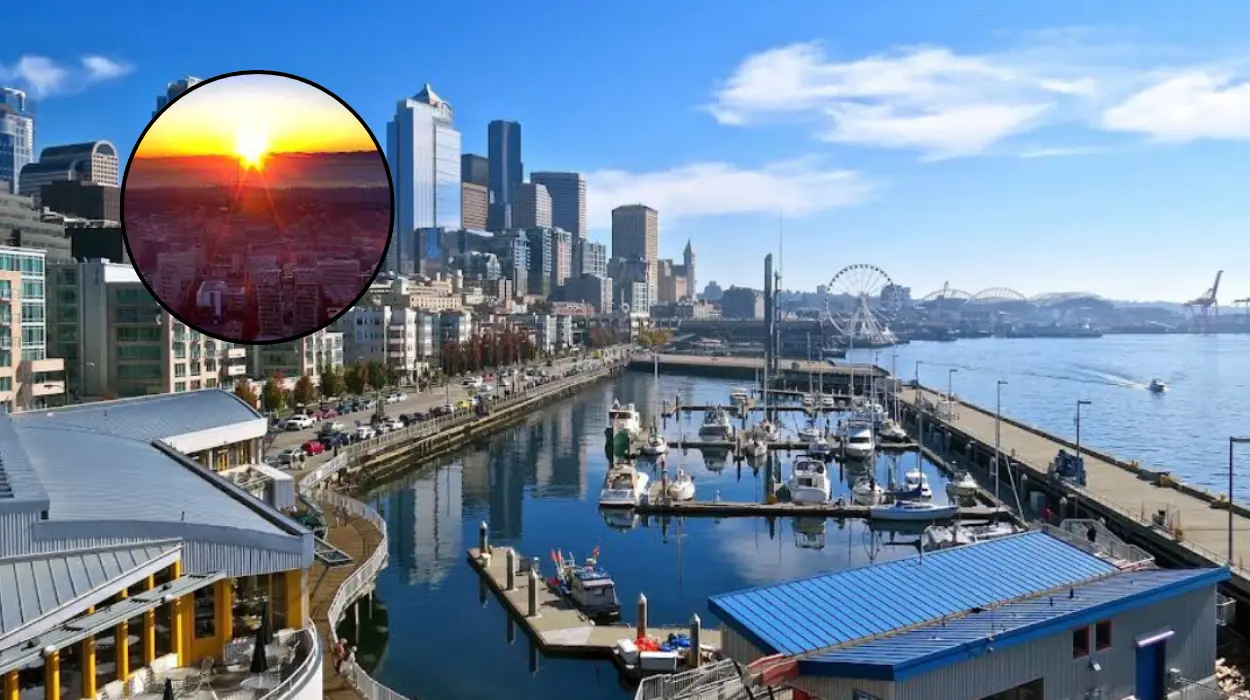
Seattle and western Washington saw unusually warm conditions on Sunday and into Monday as record-high temperatures were set or challenged across the region. As reported by KIRO 7’s weather coverage, Sea-Tac Airport climbed to 81 degrees, while Olympia reached 84 degrees, both eclipsing records that had stood since 1992.
The warm spell came after what forecasters described as a chilly spring, with temperatures jumping sharply above normal for early May. The average high for the period is usually in the lower to mid-60s, making the weekend’s heat notable even without reaching summer levels.
What records were broken at Sea-Tac and Olympia?
At Seattle-Tacoma International Airport, the 81-degree reading broke the old daily record of 77 degrees set in 1992. Olympia also set a new mark at 84 degrees, beating its previous record high of 80 degrees from 1992.
The Seattle Times reported that the mercury reached 81 degrees around 3 p.m. at Sea-Tac and held near that level well into the evening. These readings placed the region among the warmest areas in Washington for the period, according to the coverage.
Why did temperatures rise so quickly?
Forecasters attributed the heat to a ridge of high pressure building over the region, with stronger pressure aloft over Western Canada and low-level offshore flow pushing air toward the Pacific Ocean. That pattern helped draw warmer, drier air into western Washington and kept clouds and marine influence from limiting daytime heating.
The result was a quick rise in temperatures, with some areas reaching the upper 70s, 80s or even higher during the warmest part of the day. KIRO 7 said the region’s longer-range weather charts also pointed to persistent warmth through the first half of May.
What happens after the warm spell?
The warm conditions were expected to ease slightly beginning Monday, although parts of the interior were still forecast to remain in the 70s to low 80s. Sea-Tac’s Monday high was forecast at about 79 degrees, which forecasters said was unlikely to break another record.
FOX 13’s weather coverage also noted that Seattle was experiencing its warmest weather of 2026 and that a cooling trend was due later in the week. Even so, the broader outlook suggested temperatures would stay above normal through much of early May.
How were different media outlets reporting it?
As reported by Seattle Times staff at The Seattle Times, Sea-Tac reached 81 degrees and remained near that level into the evening. KIRO 7 reported that Olympia hit 84 degrees and that Sea-Tac’s 81 degrees broke a 1992 record.
FOX 13 Seattle described the event as the region’s warmest weather of 2026 and said the ridge of high pressure was driving the spike. A separate report carried by SSBCrack also repeated the Sea-Tac 81-degree record and cited the same broad weather setup.
Background
Western Washington often sees sharp temperature swings in spring because marine air, offshore flow and high-pressure systems can change conditions quickly. The early May warm-up followed a cooler spring pattern, which helped make the temperature jump more striking for residents and forecasters alike.
Record-breaking spring warmth is not unusual in the region, but the Sea-Tac and Olympia readings stood out because the previous marks had lasted for decades. The lack of significant rain in the short-term outlook also added to the sense of a prolonged dry and warm stretch.
Prediction
For residents in western Washington, this development may mean a brief but noticeable shift toward warmer-than-normal early May weather, with outdoor plans, commuting and daily routines affected by the heat. Interior communities are likely to feel the warmth most strongly, while coastal areas should stay comparatively cooler.
If the above-normal pattern continues, it could extend the region’s dry spell and keep temperatures elevated for parts of the first half of the month. That would matter most for people sensitive to heat, outdoor workers, and anyone relying on a quick return to spring-like conditions.