Key Points
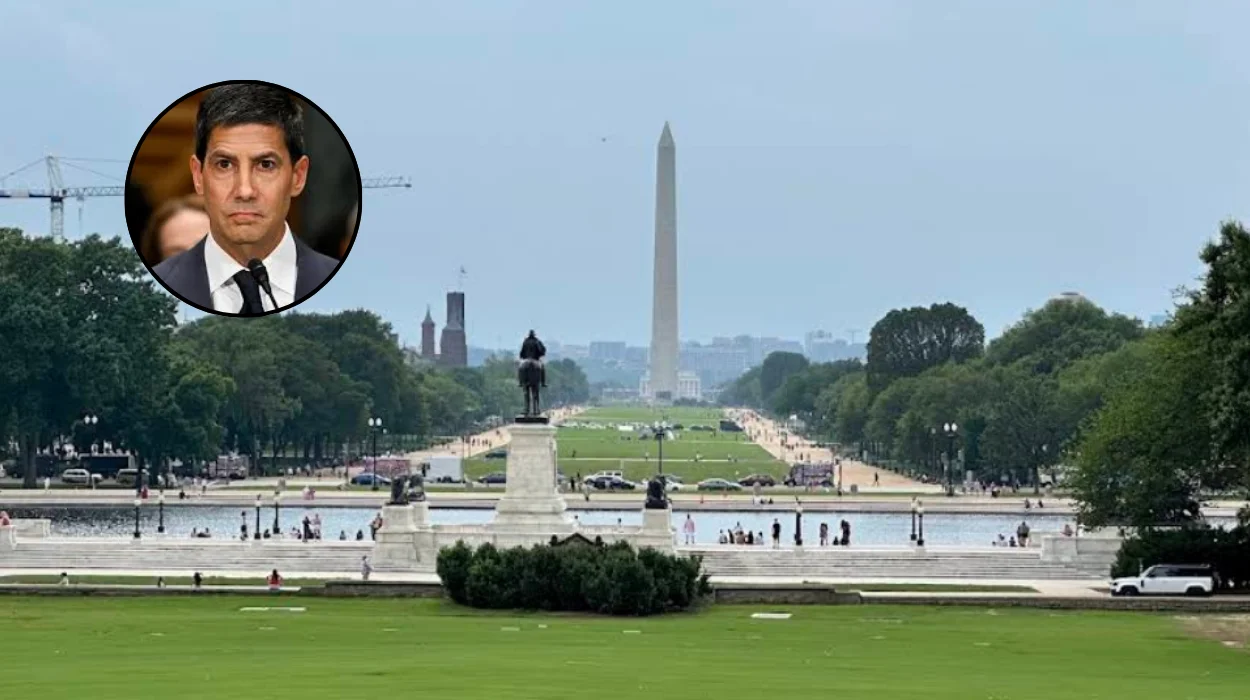
- U.S. Senate Banking Committee held a confirmation hearing on Capitol Hill in Washington, D.C., on April 21, 2026, for Kevin Warsh, President Donald Trump’s nominee to chair the Federal Reserve.
- Warsh, a former Federal Reserve governor, reiterated his commitment to central‑bank independence and stated that President Trump had not asked him for any policy commitments.
- Senators pressed Warsh on his financial disclosures, which show assets well over 100 million dollars, including stakes in cryptocurrency‑linked and artificial‑intelligence‑related firms.
- Democratic lawmakers questioned his views on inflation, labour‑market mandates, and whether his background would tether monetary policy closely to Wall Street and technology interests.
- Some Senate Democrats have publicly warned they may block the nomination unless the Trump administration ends its criminal inquiry into current Fed Chair Jerome Powell.
Federal (Evening Washington News) April 21, 2026, tested the balance between central‑bank independence and political pressure, as lawmakers from both parties grilled the former Fed governor on his policy stance, financial interests, and ties to President Donald Trump.
- Key Points
- What did Warsh say about taking orders from the White House?
- What did senators ask about his financial background?
- How did Warsh frame inflation and the labour market?
- What are the political obstacles to his confirmation?
- Background of the Fed‑chair nomination
- Prediction: How could Warsh’s nomination affect different audiences?
What did Warsh say about taking orders from the White House?
As reported by David Keating of The New York Times in live coverage, Warsh told the Senate Banking Committee that President Trump had not asked him for any commitments on interest‑rate decisions and that he would resist political pressure if confirmed as Fed chair.
Keating notes that Warsh pledged to operate with “strict independence” from the White House while still accepting the president’s legal right to nominate central‑bank leaders.
In his opening remarks, quoted by Reuters’ live‑news team, Warsh said the Federal Reserve must remain largely independent of political influence but also stay focused on its congressionally mandated goals of price stability and maximum employment.
Some Democratic senators, according to CNN’s live‑news report authored by multiple staff correspondents, repeatedly asked whether Warsh would “resist being Trump’s sock puppet,” a phrase used by several Democratic lawmakers to underscore concerns about political encroachment on the Fed.
What did senators ask about his financial background?
Reuters’ political reporters in Washington, covering the hearing, observed that senators scrutinised Warsh’s unusually large financial disclosures, which reveal assets exceeding 100 million dollars, including investments across multiple sectors.
According to an analysis by Investopedia’s policy team ahead of the hearing, Warsh’s disclosures list stakes in at least 20 companies linked to cryptocurrencies and AI‑related technologies, raising questions about potential conflicts of interest. Investopedia’s editors caution that the exact valuations of many of these holdings remain unclear, but the breadth of his portfolio clearly extends beyond traditional corporate equities.
During the hearing, as summarised by the Reuters live‑news desk, Democratic senators pressed Warsh on whether his exposure to volatile tech and crypto assets would influence his views on monetary tightening or loosening, particularly in an environment of persistent inflation.
How did Warsh frame inflation and the labour market?
CNN’s economic‑policy team reporting from Capitol Hill wrote that Warsh’s prepared testimony emphasised a firm commitment to taming inflation, mentioning the labour market only once in his written remarks.
Quoted by The New York Times’ live‑news blog, Warsh said that “price stability” must be the primary anchor of the Fed’s policy framework, signalling that he views inflation control as the central bank’s foremost mandate.
Investopedia’s explainer piece before the hearing notes that this framing may appeal to Trump‑aligned Republicans who argue the Fed has been too slow to cut rates, but it could unsettle some Democrats who worry about the risk of job‑market damage from aggressive tightening.
What are the political obstacles to his confirmation?
Reuters’ Congress‑focused reporters reported that one prominent Senate Democrat has pledged to block Warsh’s nomination unless the Trump administration withdraws its Justice Department inquiry into current Fed Chair Jerome Powell.
CNN’s political‑reporting team adds that this dynamic has turned the confirmation hearing into a proxy battle over the broader relationship between the executive branch and the central bank, with some Democrats arguing that the inquiry into Powell is politically motivated.
Investopedia’s hearing‑preview article warns that even if Warsh wins committee approval, a full‑Senate vote could be delayed or deadlocked if the dispute over Powell is not resolved.
Background of the Fed‑chair nomination
The Federal Reserve chair nomination on April 21, 2026, sits within a longer‑term context of rising political tension over the independence of the U.S. central bank.
Kevin Warsh, who previously served as a Federal Reserve governor under President George W. Bush, is returning to public‑sector economics after years in the private‑sector advisory and investment world. His earlier term at the Fed coincided with the global financial crisis, a period in which the central bank broadened its toolkit to include unconventional measures such as quantitative easing.
Over the past decade, successive Fed chairs have been criticised from both the left and right for their policy choices, setting the stage for a more politicised confirmation process.
President Trump’s decision to nominate Warsh, whose background straddles Wall Street, technology‑linked investments, and past central‑bank service, has intensified those debates.
Senate Banking Committee hearings for Fed nominees have traditionally focused on monetary‑policy philosophy, regulatory stance, and the meaning of “independence,” but the 2026 process has added a sharper emphasis on personal finances and potential conflicts.
Prediction: How could Warsh’s nomination affect different audiences?
If confirmed, Kevin Warsh would preside over a Federal Reserve operating amid elevated inflation, tight labour markets, and deep political polarisation.
For investors and financial markets, a Warsh‑led Fed that prioritises inflation control could sustain higher interest‑rate structures, affecting bond yields, equity valuations, and credit conditions. His prior experience with crisis‑era tools might also raise expectations that the central bank could again deploy unconventional measures if conditions worsen.
For ordinary U.S. households and small businesses, continued emphasis on inflation control could mean borrowing costs remain elevated, making mortgages, car loans, and business credit more expensive. At the same time, a stable‑price environment could help real wages and savings if inflation does not erode purchasing power further.
For emerging‑market economies and countries such as Pakistan, where local–dollar exchange rates and foreign‑debt flows are sensitive to U.S.‑dollar liquidity, a hawkish or extended‑tight‑cycle posture under Warsh could tighten global financial conditions, potentially raising borrowing costs for sovereign and corporate borrowers in emerging‑market currencies.