
Key Points
- The Washington State Department of Natural Resources (DNR) experienced its most challenging financial time ever, allocating an unprecedented sum of $304.8 million to deal with wildfires in the fiscal year that ended June 30.
- This huge expenditure was well above the initial budget of the state by almost $18 million.
- As part of efforts to bridge the yawning gap in funding, the department said it will seek emergency funding from the federal government under the Clarke-McNary Act, which implies that the state won’t be paying for such emergency funding.
- The wildfire situation in Washington State has escalated tremendously, with many acres of land being burnt, leaving many resources stretched, and the state infrastructure strained. Continued heavy investment is essential as far as wildfires are concerned.
Seattle (Evening Washington News) August 29, 2026 — The Washington State Department of Natural Resources (DNR) navigated an unprecedented financial burden as suppression and emergency response expenses peaked at an estimated $304.8 million for the fiscal year ending June 30, according to reports covered extensively by regional media.
This historic financial tally outstripped state budget allocations by nearly $18 million, creating a massive fiscal deficit that agency leaders must resolve amidst broader state budget shortfalls.
How Did the Department of Natural Resources Accumulate Such High Costs?
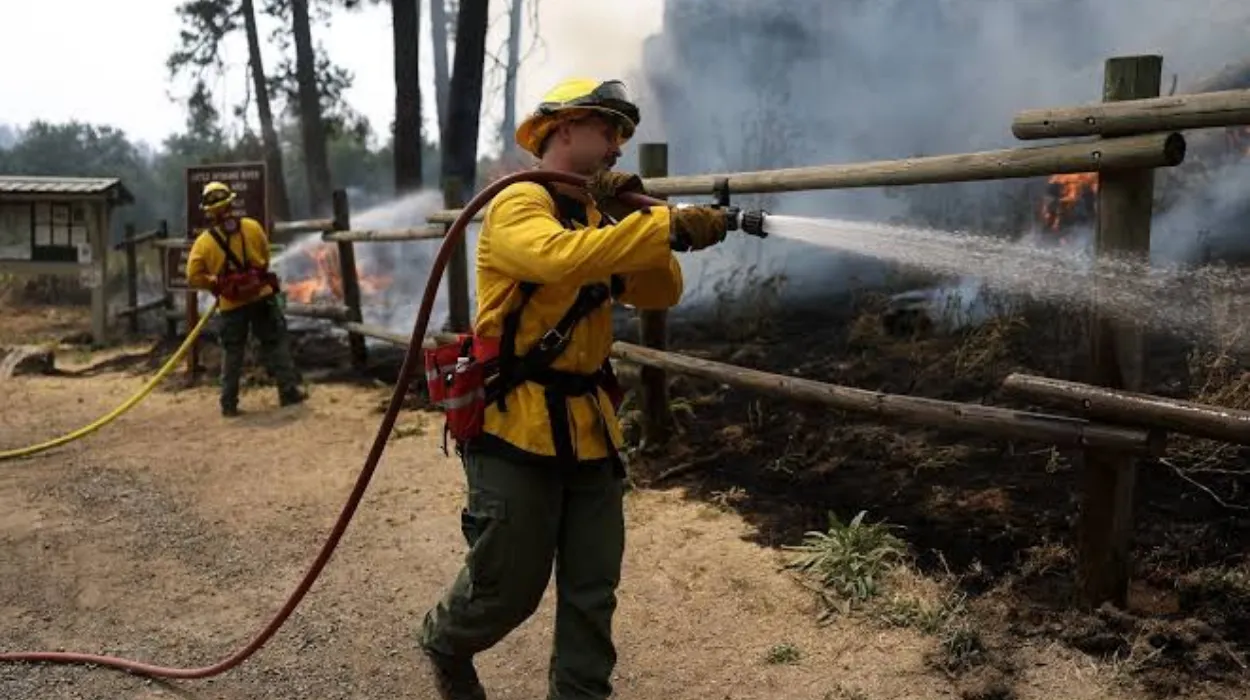
The staggering expenditure is the direct cumulative result of consecutive severe wildfire seasons that have ravaged hundreds of thousands of acres across Washington state. As reported by regional journalists tracking state environmental agencies, prolonged dry spells, extreme heatwaves, and lightning storms have consistently fueled aggressive, fast-moving blazes.
As detailed in coverage by KING 5 News, the sheer volume of active blazes required massive deployments of ground crews, heavy machinery, and aerial firefighting assets. Agency representatives noted that the scale of destruction severely tested both permanent and temporary firefighting personnel who manage protection across more than 13 million acres of private and state-owned forest lands.
Explore More Local News
Fred Meyer Closes James Center Store in Tacoma 2026
New Everett Bridge Housing Opens in Everett 2026
What Are the Financial Implications of the Budget Shortfall?
With the fiscal year closing out $18 million over budget, the financial shortfall stands at its highest peak in recent history. As reported by the Chinook Observer, the department plans to bridge this multi-million-dollar deficit by requesting emergency financial assistance from the federal government under the provisions of the Clarke-McNary Act.
Crucially, state officials confirmed that Washington will not be required to pay back these federal emergency funds. However, with state budgets already constrained by broader economic pressures, the reliance on emergency federal provisions underscores a recurring vulnerability in local disaster financing.
Why Is Continued Investment Critical for Washington State?
As reported by the Chinook Observer, agency spokespersons stressed that ongoing financial commitments cannot be scaled back despite the mounting costs.
As stated by agency officials regarding the long-term outlook,
“We need to continue and deepen those investments… We can’t afford to take our foot off the gas because the wildfire crisis isn’t going to let up anytime soon.”
Journalists monitoring the upcoming legislative cycle point out that the DNR is expected to formally request expanded wildfire funding during the upcoming legislative session. The governor’s forthcoming budget proposal, slated for release in December, is anticipated to heavily influence how the state prepares for subsequent high-risk fire seasons. While the governor’s office has yet to issue formal comments on the projected funding requests, lawmakers face mounting pressure to balance fiscal restraint against the undeniable reality of intensifying natural disasters.