Key Points
- Community Tradition: Hundreds of Capital Region residents gathered at Washington Park for the 11th annual Albany Lantern Parade, organized by the Washington Park Conservancy.
- Seasonal Timing: The annual celebration takes place on the first Sunday of Standard Time, marking the autumn evening when clocks “fall back” by one hour.
- Cultural Symbolism: Event organizers emphasized the universal theme of using light to foster unity and togetherness as daylight hours shorten across the Northern Hemisphere.
- Creative Engineering: Attendees showcased a wide range of handcrafted lanterns, spanning simple repurposed household items like milk cartons and plastic bottles to complex moving wire-and-spring sculptures.
- Broad Accessibility: The free community gathering prioritized total inclusivity, encouraging participants to build lanterns out of everyday household materials without requiring specialized artistic skills.
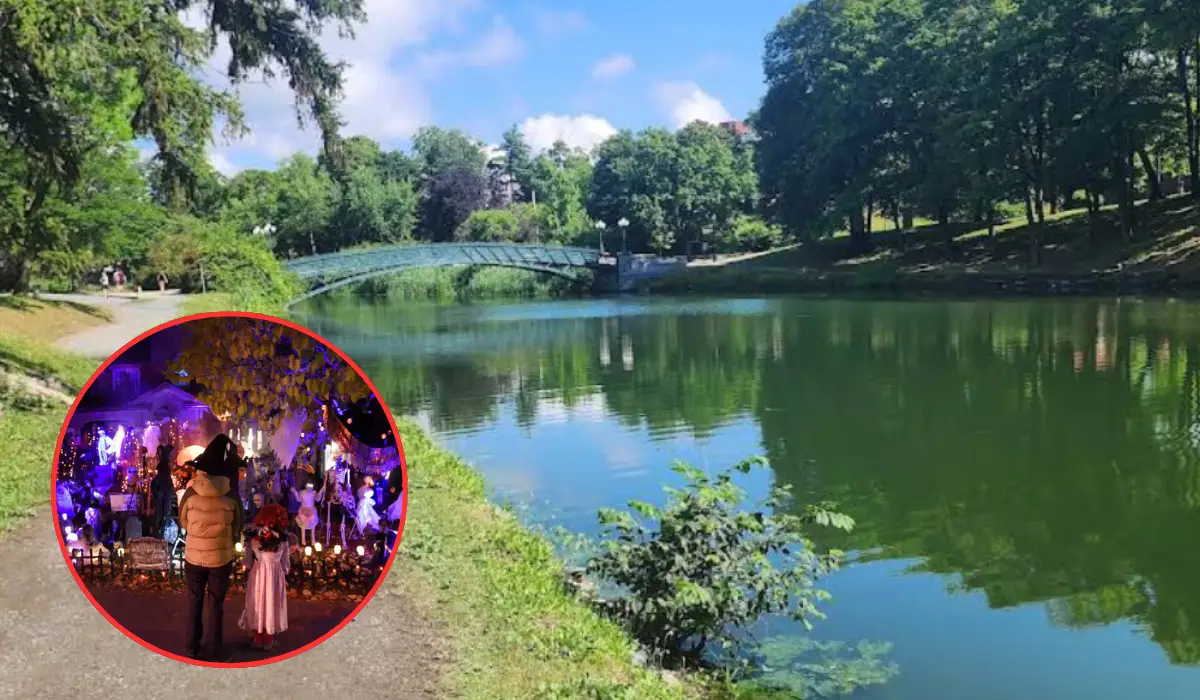
Albany (Evening Washington News) November 02, 2026 – Hundreds of residents from across the Capital District illuminated the shores of Washington Park Lake on Sunday evening to celebrate the 11th annual Albany Lantern Parade. Organized by the Washington Park Conservancy, the community gathering takes place every year on the first Sunday of Standard Time, coinciding with the annual autumn clock change when regional time falls back by one hour.
- Key Points
- How Did Participants Engineer Their Handmade Lanterns for the Parade?
- What Makes the Albany Lantern Parade Accessible to the Local Community?
- What Are the Confirmed Event Operations versus Future Community Initiatives?
- Background of the Washington Park Conservancy and Autumn Light Traditions
- Prediction: How This Event Will Influence Community Engagement and Local Arts Programming
As reported by WTEN (NEWS10), parade participants of all ages strolled around the historic park’s lakefront carrying a diverse array of custom, handmade lanterns. Event founder and organizer Sarah Read highlighted the deeper cultural significance of the seasonal tradition, explaining that “This event is really just about celebrating light and people coming together”. Read further elaborated on the shared human tradition of autumn light festivals, stating, “Universally, cultures celebrate with light and people in darkness. Right? And so it’s really nice to find that unity here.”
According to coverage by WTEN reporter quotes, the event showcased a high degree of local creativity, with attendees displaying lanterns constructed from both complex engineering methods and basic recycled household supplies. Participants utilized materials ranging from chicken wire, dowels, and tension springs to soda bottles, tissue paper, pipe cleaners, and paper milk cartons.
Speaking to WTEN, participant Josh Singletary highlighted the low barrier to entry and accessible nature of the procession. Singletary, who engineered a mechanical bird lantern using springs and string to simulate flapping wings, noted that “They’re easy to make, and a lot of people are just coming up with stuff from things they have at home. And then we show up and we spend a little time together and in our park and that’s it.”
How Did Participants Engineer Their Handmade Lanterns for the Parade?
The annual procession featured an inventive cross-section of artistic designs, ranging from simple family crafts to elaborate kinetic light structures.
As detailed in reporting by WTEN, participant Chloe Caruso-Sosa adapted handmade decorations from the previous night’s Halloween festivities into a light-up flying dragon. Explaining her fabrication process, Caruso-Sosa stated, “He’s just chicken wire and fabric draped over it. And I attach these dowels to the wings. The hinge is just a very simple, like, wire loop so that the wings can move.”
Similarly, attendee Josh Singletary constructed an interactive bird-shaped lantern designed to move mechanically as he walked along the park trail. Describing the mechanical principles behind his construction, Singletary revealed that “The secret to it is that, beyond chicken wire and Christmas lights, there are a couple of springs up top, and the springs are pulling the wings up. And when I pull on the string, it stretches the springs out, and then they go right back up again.”
What Makes the Albany Lantern Parade Accessible to the Local Community?
Organizers and attendees emphasized that the Albany Lantern Parade is structured to remain entirely free, open, and accessible to all members of the public.
According to event details published by the Washington Park Conservancy, participants are not required to possess advanced craft skills or purchase expensive materials to join the procession. Many families constructed illuminated art using basic household items. Common construction methods shared by local community groups include:
- Plastic Bottle Lanterns: Cutting the tops off empty soda bottles, attaching pipe cleaner handles, decorating the exterior with colorful tissue paper, and inserting battery-operated candles.
- Paper Bag & Carton Lanterns: Decorating standard paper grocery bags or upcycled cardboard milk cartons with cutouts and flameless LED tea lights.
What Are the Confirmed Event Operations versus Future Community Initiatives?
Established Event Facts
- Annual Milestone: The 2026 procession marked the 11th consecutive year of the Albany Lantern Parade in Washington Park.
- Co-Sponsorship: The event is co-sponsored by the Washington Park Conservancy—a non-profit organization established in 1985—and the City of Albany.
- Safety Protocols: Organizers explicitly mandate the use of battery-operated candles and flameless lights to maintain public safety throughout the park walk.
Ongoing Community Programming
- Park Restoration Projects: The Washington Park Conservancy continues to raise funds and coordinate volunteer efforts to restore, preserve, and maintain the historic Washington Park grounds and Lakehouse facilities throughout the year.
Background of the Washington Park Conservancy and Autumn Light Traditions
The Albany Lantern Parade was established over a decade ago by the Washington Park Conservancy to bring local neighborhood residents together during the transition into winter. Held annually on the evening when Standard Time resumes, the parade visually offsets the sudden onset of earlier sunsets with a collective display of warm, ambient light.
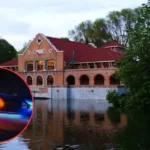
Washington Park, widely regarded as one of Albany’s premier public spaces, covers nearly 90 acres in the heart of the city. Designed in the late 19th century, the historic park features a central lake and the historic Lakehouse, which serves as the gathering point for the annual march. Public events organized by the Conservancy aim to foster neighborhood unity, encourage public park utilization, and provide free, multi-generational cultural programming for Capital Region families.
Prediction: How This Event Will Influence Community Engagement and Local Arts Programming
The ongoing success and high attendance of the 11th annual Albany Lantern Parade are expected to yield positive social and creative outcomes for the local community.
Expansion of Neighborhood Arts and Public Gatherings
The strong turnout for accessible, low-cost community events suggests growing public demand for participatory public art initiatives across Albany. In response, local cultural organizations and neighborhood associations are likely to expand similar free seasonal workshops leading up to future parades. By encouraging residents to build art from recycled materials, local arts initiatives can foster greater creative confidence among youth and families without introducing financial barriers.
Sustained Support for Public Park Infrastructure
High-profile community events held in Washington Park reinforce public appreciation for urban green spaces and historic infrastructure. Continued engagement through traditions like the Lantern Parade will likely bolster volunteer participation and local donor support for the Washington Park Conservancy, aiding ongoing municipal efforts to maintain the park’s natural landscapes, lakefront trails, and historic structures for future generations.