

Key Points
- Researchers from the SeaDoc Society and the San Diego Zoo Wildlife Alliance are conducting non-invasive health checks on the endangered Southern Resident killer whale population—now numbering just 76 individuals—in the Salish Sea and Puget Sound using drones fitted with petri dishes and microscope slides alongside an 11-year-old rescue dog named Eba trained to detect whale faeces.
- Dr. Deborah Giles of the SeaDoc Society pilots a 22-foot (6.7-metre) research boat with husband and research assistant Jim Rappold and San Diego Zoo Wildlife Alliance researcher Dr. James Sheppard, moving south from the San Juan Islands in autumn as the whales shift toward hunting coho and chum salmon north of Seattle.
- Breath droplets collected through whale spouts and floating faecal samples gathered over the years provide hormonal, bacterial, fungal, parasitic, and genetic data used to build individual health profiles for the orcas.
- According to Dr. Giles, Chinook salmon—the whales’ primary prey—once weighed more than 100 pounds (45.36 kilograms) each prior to European settlement in the Pacific Northwest, but now average roughly 12.5 pounds (5.66 kilograms) due to dams, overfishing, vessel noise, and water pollution.
- By contrast, Bigg’s killer whales in the same waters prey on marine mammals such as seals, sea lions, and porpoises, which are abundant in the Salish Sea, allowing some females to calve every two years after a 17- to 18-month gestation period.
Kingston (Evening Washington News) November 27, 2026 – Scientists from the SeaDoc Society and the San Diego Zoo Wildlife Alliance are using drones equipped with petri dishes and microscope slides alongside an 11-year-old scent-detection dog named Eba to perform non-invasive health checks on the endangered Southern Resident killer whale population in the Salish Sea. With only 76 Southern Resident killer whales remaining and population recovery stalling, Dr. Deborah Giles and her colleagues track the whales in autumn across Puget Sound waters such as near Kingston and Bainbridge Island as they pursue coho and chum salmon. Breath and faecal samples collected by the team help researchers build individual health profiles covering hormones, microbes, parasites, and genetics.
- Key Points
- How Do Researchers Use Drones and Dog Eba to Monitor Orca Health?
- Why Are Southern Resident Killer Whales Struggling Compared With Bigg’s Orcas?
- Background: How Did This Research Collaboration and Monitoring Effort Develop?
- Prediction: How Will This Research Affect Marine Conservationists, Policymakers, and Coastal Communities?
How Do Researchers Use Drones and Dog Eba to Monitor Orca Health?
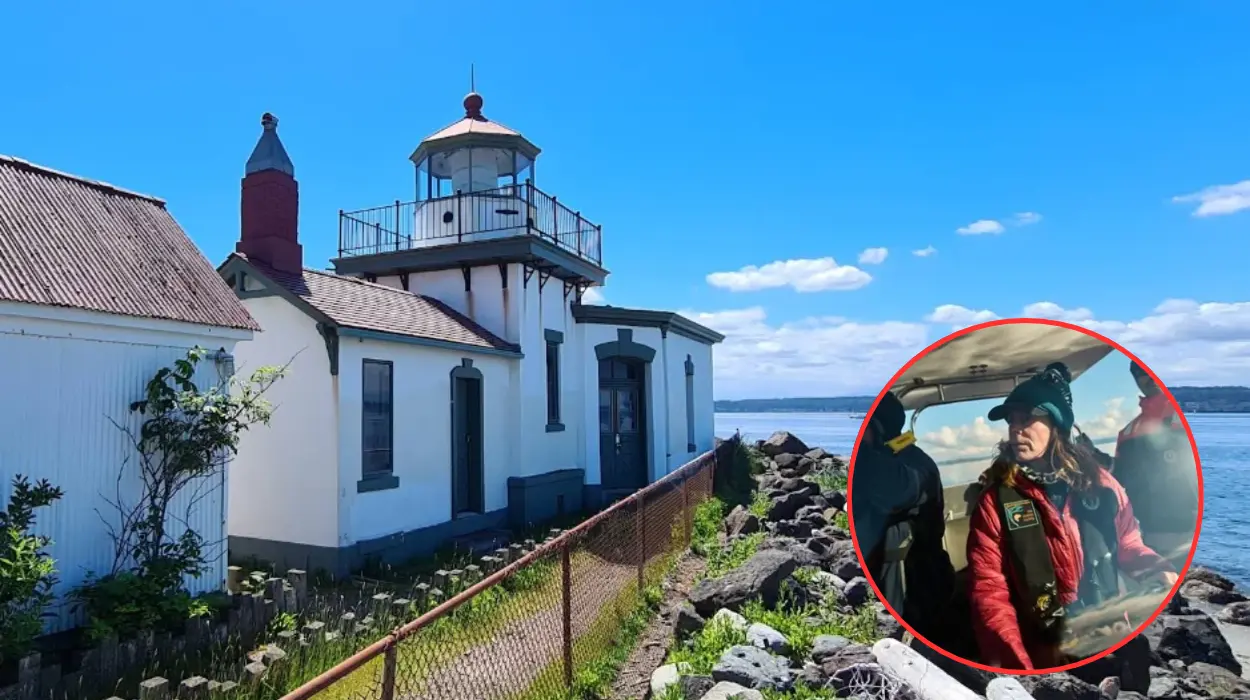
As reported by Manuel Valdes of the Associated Press (and published by The Independent, The Washington Post, and KVUE), Dr. Deborah Giles of the SeaDoc Society operates a 22-foot (6.7-metre) research vessel during autumn field efforts in Puget Sound—including waters near Kingston, Bainbridge Island, and Possession Point State Park—accompanied by her husband and research assistant Jim Rappold and Dr. James Sheppard of the San Diego Zoo Wildlife Alliance.
According to Manuel Valdes of the Associated Press, Dr. James Sheppard pilots a research drone fitted with specially mounted petri dishes and microscope slides over surfacing whales—such as K33 “Tika” near Possession Point State Park—to capture droplets from whale spouts as the animals exhale. Following the drone pass, 11-year-old rescue dog Eba moves to the bow of the vessel on a leash held by Jim Rappold, sticking her head out past the boat to sniff the air for floating whale faeces, whining and pacing on the bow when she detects a scent.
As reported by Manuel Valdes of the Associated Press, Eba alerted to a scent during field monitoring in November 2026, though her human handlers could not locate the faecal sample in the water on that occasion. Across previous field seasons, the team has gathered hundreds of breath and faecal samples that yield hormonal, bacterial, fungal, parasitic, and DNA information to establish individual health profiles for each tracked whale.
Why Are Southern Resident Killer Whales Struggling Compared With Bigg’s Orcas?
As reported by Manuel Valdes of the Associated Press, Southern Resident killer whales face persistent nutritional and environmental pressures despite legal protections, with their numbers standing at 76 known individuals. Dr. Giles noted that before non-Indigenous settlement in the Pacific Northwest, Chinook salmon—the primary prey of Southern Residents—commonly weighed over 100 pounds (45.36 kilograms) and existed in large numbers, whereas Chinook salmon now average about 12.5 pounds (5.66 kilograms) following dam construction, overfishing, increased marine vessel noise, and chemical pollution in seawater.
As reported by Manuel Valdes of the Associated Press, Dr. Giles stated: “We have completely changed their ability to live out their daily lives”.
Dr. Giles also pointed out that Salish Sea salmon can migrate as far north as Alaska, where fisheries harvest them before they return to waters where Southern Resident orcas can intercept them. Because prey is scarce, the whales spend less predictable time around the San Juan Islands in summer and travel further south in autumn—including hunting coho and chum salmon just north of Seattle over the past five years—as well as ranging into open ocean waters where sample collection is more difficult.
As reported by Manuel Valdes of the Associated Press, Dr. Giles stated: “They were here before us, long before us. They’re a group of animals that are uniquely bonded to this place and to each other”.
Dr. Giles added: “It’s our job to turn back the clock”.
In contrast to the struggling Southern Residents, Bigg’s killer whales—which share Salish Sea waters—are faring well because they prey on seals, sea lions, and porpoises that are abundant in the region, enabling some Bigg’s females to produce calves every two years after a 17- to 18-month gestation period.
Background: How Did This Research Collaboration and Monitoring Effort Develop?
The Salish Sea—spanning the inland marine waters between Washington State and British Columbia—has long served as a core habitat for Southern Resident killer whales alongside summer foraging grounds around the San Juan Islands. Over the past two decades, researchers have increasingly relied on non-invasive biological sampling—such as faecal and blow/spout collection—to assess stress, pregnancy, nutrition, toxins, and pathogens in free-ranging killer whales without invasive handling.
Dr. Deborah Giles previously led killer whale health research through the non-profit organisation Wild Orca before Wild Orca merged with the SeaDoc Society in early 2025, bringing Giles and her scent-detection dog Eba into the SeaDoc Society’s marine science team alongside researchers such as Dr. Joe Gaydos. Partnering with specialists such as Dr. James Sheppard of the San Diego Zoo Wildlife Alliance allows drone-based breath sampling and canine-assisted scat detection to complement ongoing acoustic, vessel-noise, and salmon-recovery studies across Washington and British Columbia.
Prediction: How Will This Research Affect Marine Conservationists, Policymakers, and Coastal Communities?
For marine biologists, veterinarians, and conservation organisations working on Southern Resident killer whale recovery, continued breath and faecal sampling in autumn foraging areas near Seattle and Puget Sound is expected to expand longitudinal health records on stress, reproduction, and infectious or environmental markers across the 76 remaining whales. More granular health profiles can help researchers identify individual animals at heightened physiological risk and evaluate whether seasonal shifts toward coho and chum salmon offset reduced Chinook availability.
For fisheries managers, policymakers, and maritime operators in the Pacific Northwest, findings linking prey depletion, ocean migration corridors, underwater vessel noise, and water contaminants to whale health will continue to inform salmon habitat restoration, harvest management, and vessel-disturbance rules. For coastal residents and boaters across the Salish Sea and Puget Sound, shifting whale movement patterns mean sightings may remain concentrated in seasonal corridors rather than fixed historical locations, requiring continued adherence to viewing guidelines and quiet-vessel practices around endangered orcas.