
Key Points
- Dozens of swimmers aged 50 to 96 competed in the annual Washington State Senior Games swim meet on Sunday, July 26, at Timberline High School in Lacey.
- Age divisions were based on competitors’ ages as of Dec. 31, 2026, with all participants required to be at least 50 years old.
- The top three finishers in each age division’s events qualified for the 2027 National Senior Games in Tulsa, Oklahoma.
- The meet featured backstroke, breaststroke, butterfly, freestyle and individual medley races across distances from 25 to 500 yards.
- Henry Valz, Swim Commissioner for the Washington State Senior Games and head coach at Olympia High School, described swimming as a lifelong sport.
- Participants Kirby Schaufler, Matt Bittner and Valerie Thompson shared their experiences, highlighting the event’s competitive yet friendly atmosphere.
- The Washington State Senior Games, now in its 29th year, is an all-volunteer 501(c)(3) non-profit promoting health and fitness for people aged 50 and above.
- This year’s games run from June 21 to Sept. 13 at various South Sound sites, with close to 1,800 participants in 2025.
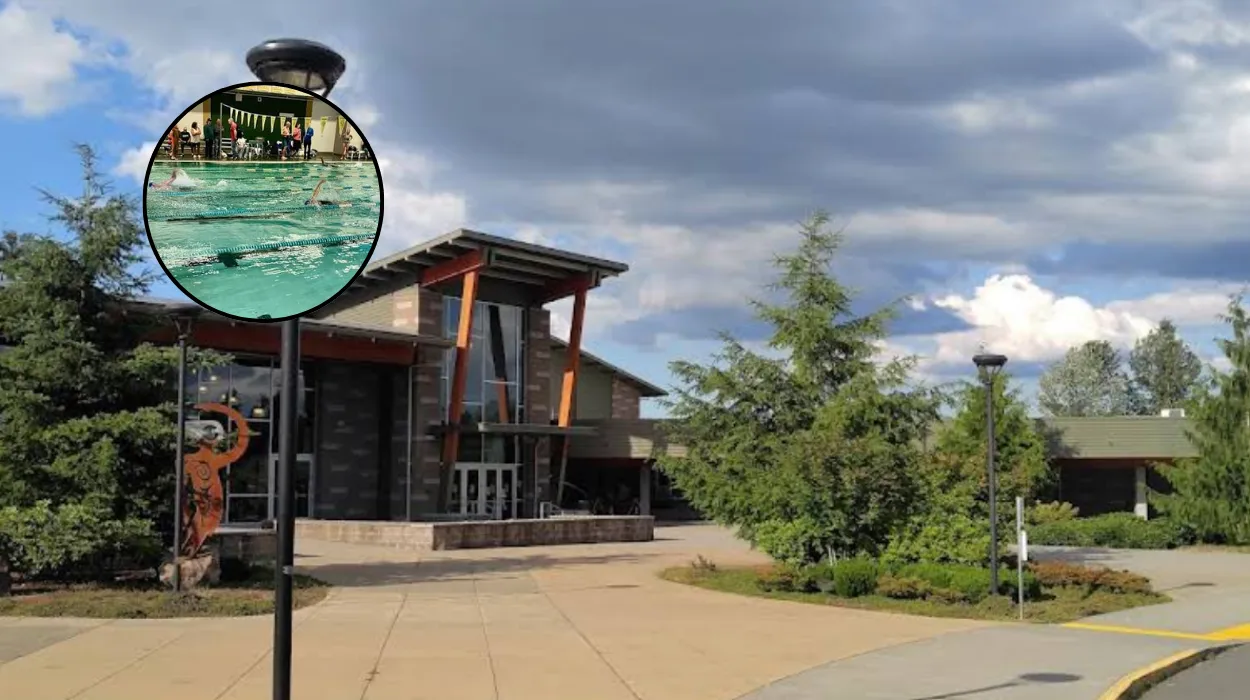
Washington (Evening Washington News) July 29, 2026 — Dozens of swimmers gathered at Timberline High School’s pool on Sunday, July 26, for the annual Washington State Senior Games swim meet, an event that brought together athletes aged 50 to 96 for a day of competition and community. The meet, part of the wider 29th edition of the Washington State Senior Games, served as a qualifying pathway for the 2027 National Senior Games in Tulsa, Oklahoma, with the top three times in each age division earning spots at the national level.
- Key Points
- What events were included in the 2026 swim meet?
- Who organised the event and what did officials say?
- How did competitors react to the meet?
- What is the Washington State Senior Games?
- Background: How did the Washington State Senior Games develop?
- Prediction: How might this development affect older adults and local communities?
What events were included in the 2026 swim meet?
The one-day swim meet featured a full slate of competitive events across four strokes and individual medley races. The schedule included:
- Backstroke: 25, 50, 100 and 200 yards
- Breaststroke: 25, 50, 100 and 200 yards
- Butterfly: 25, 50, 100 and 200 yards
- Freestyle: 25, 50, 100, 200 and 500 yards
- Individual Medley: 100, 200 and 400 yards
Swimmers were divided into age brackets determined by their age as of Dec. 31, 2026, ensuring fair competition across generations. All participants were required to be at least 50 years old, with the oldest competitor this year aged 96.
Who organised the event and what did officials say?
Henry Valz, who serves as Swim Commissioner for the Washington State Senior Games and as head coach of the Olympia High School Swim and Dive team, emphasised the enduring nature of the sport.
“Swimming is a lifelong sport. There are people here who started swimming in the 1930s and they are still swimming now. It’s a really cool event and to have the kids help out and see that swimming doesn’t end at high school or even at the end of college. You swim your whole life,” Valz said.
Nancy Moss, Secretary of the Washington State Senior Games, highlighted the volunteer-driven ethos of the organisation.
“As a volunteer and a board member, I enjoy being able to help provide this opportunity for people who are 50 years of age and better. It’s amazing the number of people that are still active in all of these sports. It’s just nice to be a part of it,” Moss said.
The Washington State Senior Games is an all-volunteer 501(c)(3) non-profit with a mission to promote year-round health and fitness for people aged 50 to 100-plus through participation, competition and education.
How did competitors react to the meet?
Lake Stevens resident Kirby Schaufler, a 15-year veteran of the swim meet, competed in nine events and earned five gold medals and four silver medals. Schaufler praised the volunteers who keep the event running smoothly.
“It’s a great group of volunteers that runs the show. They always do a great job,” he said.
Enumclaw resident Matt Bittner, who has attended the meet for six or seven years, described the atmosphere as competitive yet friendly.
“I enjoy it. I’ve come down here the last six or seven years to do it and I enjoy it. I have fun. It’s competitive without being too aggressive about it. Everybody’s here to have fun and I think they’re having fun,” Bittner said, after earning a silver medal in the men’s 65–69 age division 100-yard freestyle.
Olympia resident Valerie Thompson competed in 12 events, taking home five golds, one silver and three bronzes. Reflecting on her performance, Thompson said:
“I did good, I’ve got more endurance than I got speed.”
What is the Washington State Senior Games?
The Washington State Senior Games, now in its 29th year, is the largest Olympic-style, multi-sport event in the state. This year’s games run from June 21 to Sept. 13 at various sites throughout the South Sound. Close to 1,800 participants took part in the 2025 Senior Games, with more than 1,800 participants in 2024.
The Senior Games is an open competition, welcoming all Washington residents as well as athletes from other states and countries. Events span a wide range of sports, including archery, badminton, basketball, bowling, cycling, golf, pickleball, road runs, swimming, table tennis, tennis, track and field, volleyball and more.
Background: How did the Washington State Senior Games develop?
The Washington State Senior Games was established to encourage active, healthy lifestyles among older adults through sport. As a 501(c)(3) non-profit, it relies entirely on volunteers to organise and run its events, which are held annually across multiple venues in the South Sound region. Over nearly three decades, the games have grown into the state’s largest multi-sport event for adults aged 50 and above, offering both recreational and competitive opportunities. The inclusion of qualifying pathways to the National Senior Games has added a national dimension, allowing top performers to represent Washington at the biennial national event.
Prediction: How might this development affect older adults and local communities?
The continued growth of the Washington State Senior Games, with participation nearing 1,800 athletes, suggests increasing engagement among older adults in structured physical activity. For older residents, this trend could translate into improved physical health, greater social connectivity and enhanced mental well-being, as regular sport participation is linked to better cardiovascular fitness, balance and mood. For local communities, the games bring economic activity through venue use, volunteer mobilisation and visitor spending, while also fostering intergenerational interaction when younger helpers assist at events. If participation continues to rise, organisers may need to expand venue capacity, add more event dates or increase volunteer recruitment to maintain the quality and safety of competitions. For athletes, the pathway to the National Senior Games offers a clear performance goal, potentially raising the competitive standard and inspiring more masters-level swimmers and other athletes to train year-round.