
Key Points
- Minnesota Gov. Tim Walz is withdrawing Minnesota National Guard members from Washington, D.C. earlier than planned.
- The troops had been sent ahead of the America 250 celebrations with orders limited to helping near the national monuments.
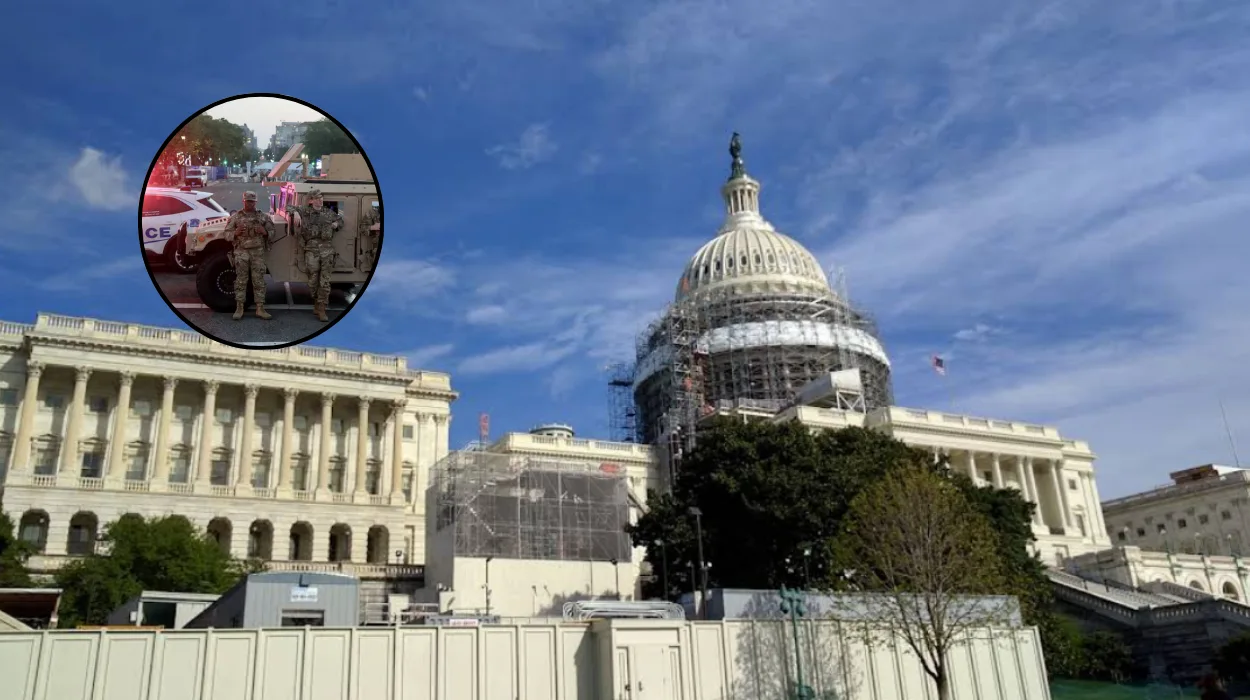
- The Guard members were seen on presence patrols in neighbourhoods away from the National Mall.
- Their deployment came as part of President Donald Trump’s ongoing federal Joint Task Force in the city.
- Democratic governors from Kentucky, North Carolina, Michigan, Maryland and Hawaii also sent troops under similar restrictions.
- It was the first time troops from Democratic-led states had been sent to Washington since Trump launched the task force.
- The development comes as pressure grows on Michigan over its own role in the wider federal deployment.
Washington, D.C. (Evening Washington News) July 11, 2026 – Minnesota Gov. Tim Walz is pulling his National Guard members out of Washington, D.C. early after they were seen on presence patrols in neighbourhoods far from the National Mall, a deployment pattern that has drawn fresh scrutiny around the federal security operation in the capital.
Why are Minnesota troops leaving early?
As reported in the original account, Walz sent the Guard members to Washington ahead of the official America 250 celebrations and gave specific orders that they would be used only to help with events near the national monuments.
The early withdrawal follows concern that the troops were being used in a broader way than the governor had intended. The report says the Guard members were seen on presence patrols in neighbourhoods well away from the National Mall.
The decision matters because it highlights the tension between state orders and how troops are deployed once they arrive in the capital.
It also places renewed attention on the wider federal security structure under President Trump’s ongoing Joint Task Force.
For Minnesota, the move signals an attempt to keep the deployment aligned with the original mission set by the governor.
What was the original mission?
According to the report, Walz’s instruction was narrow: the Minnesota National Guard was to support America 250 events near the national monuments.
That limited remit was part of the reason the deployment was politically notable, because it differed from the broader presence patrols later associated with the troops.
The story says the Guard members were not sent to carry out general neighbourhood patrols. Instead, their role was tied to commemorative activities connected to the upcoming national celebrations. The reported change in how the troops were used appears to be the trigger for the early exit.
How does this connect to other states?
The report says Democratic governors from Kentucky, North Carolina, Michigan, Maryland and Hawaii also sent troops with similar restrictions in recent weeks.
It was the first time troops from Democratic-led states had been sent to Washington since Trump launched his task force.
That detail places Minnesota’s decision within a wider pattern rather than as an isolated event. The deployments from those states were framed around limited support roles, which makes the question of mission drift more important.
If similar restrictions were part of the other governors’ orders, the Minnesota case may be read as a test of how closely those limits are respected in practice.
Why is Michigan under pressure?
The news brief states that pressure is also growing on Michigan, though it does not provide full detail on what specific step Michigan is facing next.
The mention suggests the state is part of the same broader deployment discussion involving Democratic governors and Guard contributions to Washington.
Because the report does not spell out the full Michigan context, the safest reading is that Michigan is being drawn further into the political and operational scrutiny around the task force.
The pressure likely stems from the same concern seen in Minnesota: whether troops sent under restricted terms are being used beyond the original mission.
What does the report say about the federal task force?
The original story links the troop presence to President Trump’s ongoing federal Joint Task Force in Washington.
That task force has been operating in the city for nearly a year, according to the report, and the Minnesota Guard’s early departure is tied directly to how troops were used under that arrangement.
The report also notes that the Guard members were seen in presence patrols away from the National Mall, which suggests the task force’s operational footprint extends beyond ceremonial or monument-focused support.
That broader usage appears to be at the centre of the current friction. The issue is therefore not only about troop numbers, but about scope, deployment, and command intent.
What are the political implications?
The story carries clear political significance because it involves Democratic governors sending troops into a federal security operation led under Trump’s administration.
That makes the early pull-out more than a local administrative matter. It becomes a question of state control, mission boundaries and public accountability.
The report does not include direct quotations from Walz or other governors, so the facts remain focused on the deployment itself rather than on public argument.
Even so, the sequence of events suggests a rare point of tension between a state governor’s stated limitations and the visible use of troops in the capital. That is the central news value in the development.
Background of the Development
Washington has been operating under a federal Joint Task Force linked to President Trump’s administration for nearly a year, according to the report.
In advance of the America 250 celebrations, Minnesota and several other Democratic-led states sent National Guard members to Washington with limited instructions.
Their role was meant to stay close to national monument activity, rather than general patrol work in the city.
The current development follows reports that some of those troops were seen on presence patrols in neighbourhoods beyond the National Mall.
Minnesota’s early withdrawal now raises questions about how such deployments are monitored and whether governors can keep their original limits intact once troops are assigned to the federal operation.
Prediction for the Audience
For readers in Washington, D.C., this development may mean closer scrutiny of how out-of-state Guard troops are used in the city.
If more governors decide their troops are being deployed beyond their intended role, similar early withdrawals could follow.
That could affect how the federal task force organises support around major events and neighbourhood patrols.
For audiences in the sending states, the issue may shape debate over whether limited Guard deployments should be used for ceremonial support only or folded into broader security duties.
For residents in Michigan, the reported pressure on their state suggests the matter could become more politically sensitive if similar concerns arise there.