Key Points
- A Washington, D.C., historic preservation official has urged the Trump administration to move its proposed 250-foot triumphal arch away from Memorial Circle.
- District Historic Preservation Officer David Maloney recommended an alternative site on South Capitol Street between Nationals Park and Audi Field, describing it as better suited to a celebratory monument.
- Maloney warned that placing the arch at Memorial Circle would severely damage an important cultural landscape and one of the nation’s most symbolic places.
- He also argued the current location is less accessible and does not suggest success for a celebratory monument.
- The Trump administration’s proposal has already drawn legal challenges from veterans and historic preservation groups.
- The project has been approved by the U.S. Commission of Fine Arts, and the National Capital Planning Commission is due to consider it on 9 July.
- The proposed arch is linked to America’s 250th anniversary and has become a wider dispute over monuments, preservation and federal approval rules.
Washington, D.C. (Evening Washington News) July 3, 2026 – a senior city preservation official has told the Trump administration that its planned triumphal arch should be built somewhere other than Memorial Circle, escalating a dispute over the monument’s location, symbolism and impact on the capital’s historic landscape.
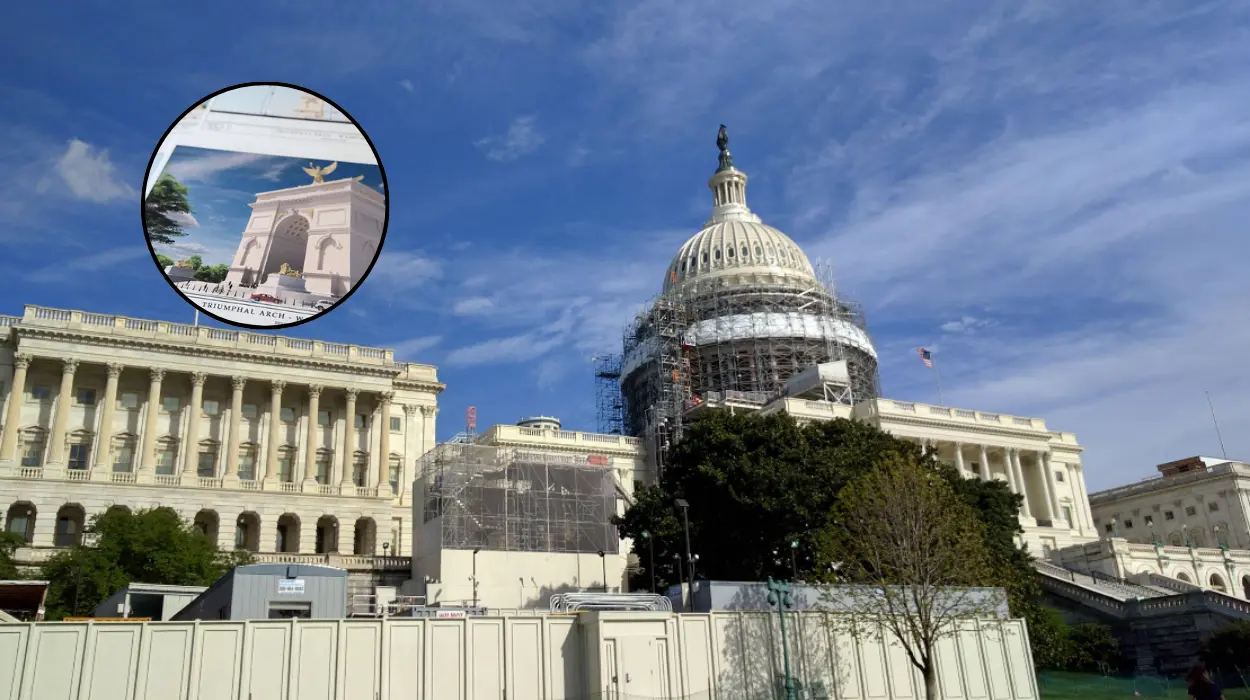
As reported by Rodney Mims Cook Jr. of The Washington Post, the administration should choose an “alternative site” for President Donald Trump’s planned 250-foot-tall triumphal arch, according to a June 26 letter from District Historic Preservation Officer David Maloney to the National Park Service.
Maloney said the Memorial Circle site, near Arlington National Cemetery, would be “divisive” and would
“severely damage an exceptional cultural landscape and one of the most important symbolic places in the nation.”
He argued that the monument’s current location is less accessible than other major memorials and does not suit “a celebratory monument.”
The preservation officer’s letter came as the debate over the arch intensified in Washington, with opponents saying the structure would change the visual character of the area around the Lincoln Memorial and Arlington National Cemetery.
Where does the city suggest the arch go?
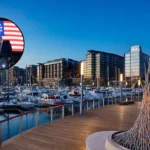
Maloney recommended relocating the monument to an undeveloped traffic oval on South Capitol Street between Nationals Park and Audi Field.
He said the site could serve as an “energizing focal point” for a growing neighbourhood and could even become a symbol of “sports triumph” because of the nearby stadiums.
According to the report, Rodney Mims Cook Jr., a Trump appointee who chairs the U.S. Commission of Fine Arts, had previously identified the South Capitol Street location as a possible alternative.
Maloney also said the site would enhance the historic L’Enfant Plan and Washington’s monumental landscape rather than detract from it.
What has been approved so far?
The U.S. Commission of Fine Arts has already approved the project, according to the report. The National Capital Planning Commission is scheduled to consider the proposal on 9 July. That means the arch remains under review even after one federal design body backed it.
Separately, the broader effort has also faced legal and political resistance. A Washington Post report in March said Democratic lawmakers joined a legal challenge, arguing the plan would require congressional approval under the Commemorative Works Act because of where the arch is intended to go.
What are the legal and political arguments?
The legal challenge centres on whether Memorial Circle falls within protected land that needs Congress’s approval before any monument can be built there. Sen.
Angus King said the issue was straightforward, arguing that the law requires explicit congressional approval for structures in the area.
Opponents have also said the arch is more of a vanity project than a serious memorial. Veterans and historic preservation groups have filed a separate lawsuit, arguing the monument would obstruct important views at Arlington National Cemetery and harm the purpose of nearby memorials.
How does this fit the wider debate?
The arch dispute has become part of a broader argument over preservation, federal authority and the use of public space in Washington.
Supporters of the current plan argue it would mark America’s 250th anniversary, while critics say the location and scale would overwhelm the surrounding memorial landscape.
The Washington Post report said the White House has not yet formally submitted the arch for all required approvals, even though Trump has said construction will begin soon.
That leaves the project in a politically sensitive stage, with design approval in hand but other hurdles still unresolved.
Background of the development
The arch proposal first became public earlier this year as Trump eyed land near Memorial Bridge for a towering structure that would dwarf the Lincoln Memorial. Since then, the plan has drawn objections from preservationists, veterans, lawmakers and advocacy groups concerned about the effect on Washington’s monumental core.
The National Trust for Historic Preservation also weighed in earlier, warning against placing a monumental arch at Memorial Circle.
In addition, reports in June said the National Capital Planning Commission backed the project despite vocal public opposition.
Prediction for residents and preservation groups
For Washington residents, especially those near the National Mall, Arlington National Cemetery and the South Capitol corridor, the dispute may continue to shape traffic, access and public debate around major federal projects.
For preservation groups, the next stage is likely to focus on legal review and planning approvals, which could determine whether the arch stays at Memorial Circle, moves elsewhere or faces further delay.
For local communities near the alternative South Capitol Street site, the proposal could bring a new round of planning and scrutiny if the administration seriously pursues relocation.
For the wider public, the issue is likely to remain a test of how Washington balances commemorative projects with historic preservation and federal oversight.