
Key Points
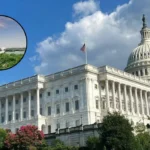
- Sweepstakes Launch: Our Blood Institute (OBI) has officially initiated a nationwide donor sweepstakes campaign providing a holiday package to Washington, D.C.
- Campaign Duration: The specific promotional window runs from June 1, 2026, through June 8, 2026, during which all successful givers will receive automated entry.
- Grand Prize Package: The selected winner will receive round-trip airfare, hotel accommodations, complimentary meals, and direct access to premium fireworks viewing areas in the United States capital.
- Daily Retail Incentives: Alongside the primary travel package, OBI is distributing a $250 voucher every day during the promotional week redeemable at local fireworks vendors.
- Historical Milestone Alignment: The strategic multi-state drive is explicitly structured to coincide with the upcoming 250th anniversary of the United States on July 4.
- Critical Supply Objectives: The seasonal sweepstakes targets an immediate increase in regular and first-time donations to offset traditional summer collection shortages across regional medical systems.
Washington (Evening Washingtn News) June 1, 2026 — Our Blood Institute, the prominent regional non-profit blood services supplier, has formally introduced an incentive-driven donor sweepstakes beginning June 1, 2026, to counter the predictable early summer drop-off in the regional blood supply. As first reported by news anchor and investigative journalist updates at KOKH FOX 25, the multi-state organization is leveraging a high-value travel incentive to encourage immediate community participation.
- Key Points
- What Specific Financial and Travel Rewards Do Successful Participants Stand to Win?
- Why is the Blood Center Launching an Incentive Scheme for America’s 250th Anniversary?
- Background of the Summer Collection Shortage
- Prediction: How This Development Can Affect Regional Medical Systems and Patients
- Direct Benefits for Emergency Care and Specialized Patient Audiences
- Risks Associated with Unmet Donation Targets
According to promotional broadcast logs compiled by the KOKH newsroom staff, the initiative provides eligible individuals who successfully donate blood or platelets between June 1 and June 8, 2026, with an automatic entry into a competitive draw.
The grand prize is structured as an all-inclusive holiday getaway for a family of four to Washington, D.C., explicitly timed to align with the highly anticipated 250th anniversary celebrations of the United States on July 4.
The regional provider is operating the drive across its extensive network of permanent donor collection facilities and mobile blood transport units.
The targeted campaign aims to secure critical blood components—specifically red blood cells and platelets—before the intense travel and recreation cycles of the mid-summer months disrupt routine donor availability.
What Specific Financial and Travel Rewards Do Successful Participants Stand to Win?
Details published within the official operational guidelines of Our Blood Institute, and corroborated by regional media publications, outline a multi-layered reward structure designed to maximize community engagement. The primary tier of the sweepstakes features an all-expenses-paid travel itinerary.
The designated grand prize winner is scheduled to receive fully covered commercial airfare from their nearest regional hub, multi-night hotel accommodations in downtown Washington, D.C., a structured daily meal allowance, and passes ensuring admission to the official fireworks display viewing sections situated along the National Mall.
In an effort to stimulate immediate local economic activity and maintain steady daily appointment bookings, OBI management has added an immediate secondary reward tier.
For each day of the eight-day promotional window, administrative staff will draw one winner from that day’s successful donor pool to receive a $250 voucher.
These vouchers are legally restricted for use at authorized local fireworks retailers within the donor’s respective municipality, allowing participants to fund their own domestic celebrations.
Why is the Blood Center Launching an Incentive Scheme for America’s 250th Anniversary?
The public rollout of the sweepstakes features direct statements from organizational leadership regarding the civic and philosophical rationale behind the campaign.
As documented by local news desks, executive administrators view the semi-squincentennial anniversary of the nation not merely as a historic calendar date, but as an operational opportunity to emphasize community interdependence.
In a formal public statement recorded by KOKH FOX 25 editorial representatives, Dr. John Armitage, the long-serving President and Chief Executive Officer of Our Blood Institute, frames blood donation as an extension of foundational democratic responsibilities. Dr. John Armitage stated that:
“As we celebrate 250 years of our nation, we are reminded that our strength has always come from people showing up for one another. Blood donors carry that spirit forward every single day.”
The corporate communication department at OBI has reinforced this messaging across its digital platforms. According to promotional materials cataloged from the official OBI events registry, the summer period represents one of the most volatile operational blocks for regional blood banks. While emergency room trauma intakes, elective surgical procedures, and ongoing oncological therapies remain constant or rise during the holiday season, voluntary donor turnout historically declines due to school closures, family vacations, and extreme weather patterns.
Background of the Summer Collection Shortage
To fully understand the implementation of high-value sweepstakes by non-profit blood banks, it is necessary to examine the long-standing structural vulnerabilities inherent to seasonal blood banking in the United States.
Our Blood Institute, originally established in 1977 as the Oklahoma Blood Institute, has expanded over nearly five decades to become the sixth-largest independent, non-profit blood collector in the United States.
The organization is currently responsible for securing an average of 1,200 successful donations every day to adequately supply more than 240 hospitals, specialized medical facilities, and regional air ambulance networks across Oklahoma, Arkansas, and North Central Texas.
The reliance on high-profile promotional campaigns like the Washington, D.C., travel giveaway reflects a broader industry response to shifting demographic trends and volunteer behavior.
Blood centers across North America have experienced a multi-year decline in regular, recurring donors, a trend accelerated by changes in workplace environments and hybrid office schedules that have disrupted traditional corporate mobile blood drives.
Historically, institutional collections heavily depend on high school and university drives, which account for up to 25 percent of total annual donations in certain metropolitan sectors. When academic institutions close for the summer term between late May and early September, this crucial supply pipeline completely halts. Consequently, blood centers must pivot toward direct-to-consumer marketing strategies, utilizing retail incentives, theme park vouchers, and luxury travel sweepstakes to attract independent civic donors from the broader public.
Prediction: How This Development Can Affect Regional Medical Systems and Patients
The success or failure of OBI’s early June sweepstakes will directly dictate the operational stability of regional healthcare delivery networks over the subsequent sixty days.
If the promotional campaign successfully achieves its target metrics, regional blood storage facilities will establish a vital inventory buffer moving into the critical mid-summer season.
Explore More Local News
Trump Sparks Imperial Architecture Controversy with Capital Facelift in Washington 2026
US Blocks Chinese Firms From Advanced AI Chips: Washington 2026
Direct Benefits for Emergency Care and Specialized Patient Audiences
For emergency medical personnel, trauma surgeons, and air ambulance crews operating across the multi-state coverage area, a well-stocked blood banking repository ensures immediate, unhindered access to Type O-negative blood—the universal donor type required during major mass-casualty incidents or severe vehicular accidents without time for cross-matching.
Furthermore, a stabilized blood supply directly impacts highly vulnerable chronic patient demographics.
Individuals undergoing active chemotherapy treatments, patients diagnosed with sickle cell anemia requiring regular exchange transfusions, and individuals scheduled for complex, elective cardiothoracic surgeries will avoid the stress and clinical risks associated with procedural delays.
Risks Associated with Unmet Donation Targets
Conversely, if the sweepstakes fails to stimulate the required uptick in voluntary appointments, regional hospitals may be forced to trigger strict conservation protocols. This could result in the rationing of non-emergency blood products or the temporary postponement of elective surgical cases to preserve existing stocks for life-or-death emergency presentations. Therefore, the outcomes of this week-long initiative will serve as an essential indicator for the resilience of the local healthcare infrastructure throughout the remainder of the summer holiday cycle.