
Key Points
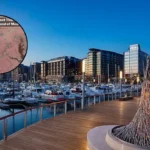
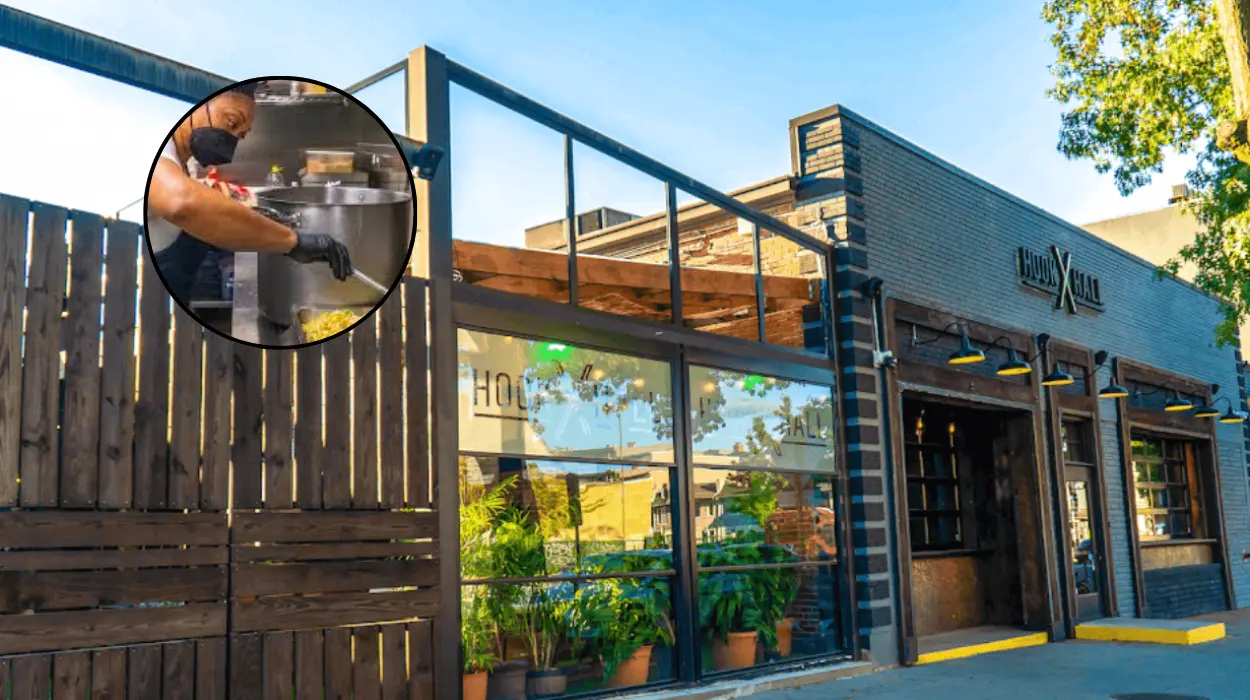
- Event and Milestone: Miriam’s Kitchen hosted its Annual Celebration at Hook Hall in Washington, D.C., marking 43 years of comprehensive social services to unhoused residents across the District.
- Central Theme: The event operated under the banner “Stronger Together, One City, Our Home,” highlighting corporate, civic, and community partnerships.
- Key Honourees and Speakers: Notable speakers included former Washington Post food critic Tom Sietsema and WellPoint DC representative Nolan Carr, alongside Miriam’s Kitchen Chief Executive Officer Scott Schenkelberg.
- Lived Experiences Highlighted: Guest leaders experiencing or transitioning from homelessness presented original, live poetry documenting systemic challenges and personal journeys.
- Corporate Backing: Major multi-sector entities, including financial institutions, legal groups, and technology corporations, provided core financial sponsorship for the event.
Washington, D.C. (Evening Washington News) May 23, 2026 – In an effort to address chronic homelessness across the District of Columbia, Maryland, and Virginia (DMV) area, local advocacy groups, corporate sponsors, and civic leaders convened for the Miriam’s Kitchen Annual Celebration to reinforce collaborative social housing initiatives. The high-profile event, commemorating over four decades of direct humanitarian intervention, focused on resource mobilisation amidst growing economic pressures affecting vulnerable metropolitan populations.
- Key Points
- How Did the DMV Community Respond to the Annual Celebration?
- What Strategic Value Did Tom Sietsema Highlight in His Address?
- Which Major Organisations Capitalised the Event Under the Multi-Sector Sponsorship Model?
- Key Corporate and Philanthropic Backers
- How Do Community Organisers and Executive Leadership View the Current Crisis?
- Background of This Particular Development
- The Prediction: How This Development Affects Unhoused Residents and the Local Community
- Direct Impact on Unhoused Residents
- Indirect Impact on the Broader DMV Community
How Did the DMV Community Respond to the Annual Celebration?
As documented by independent event reporting across the capital region, community members from throughout the DMV metropolitan area filled Hook Hall to engage with the ongoing mission of Miriam’s Kitchen.
The non-profit entity, which has provided hot meals, case management, and permanent supportive housing linkages since its inception, used the gathering to mark 43 years of operations within the District.
The evening served as an informational platform to update stakeholders on the current state of chronic homelessness in Washington, D.C. Beyond administrative updates, the programme integrated the voices of directly affected individuals. Selected guest leaders took to the stage to perform original poetry detailing the psychological, physical, and systemic realities of navigating life without a stable shelter.
These artistic presentations were designed to provide unvarnished insights into the everyday lived experiences of the city’s unhoused demographics.
What Strategic Value Did Tom Sietsema Highlight in His Address?
According to reporting on the evening’s formal honourees, former Washington Post food critic Tom Sietsema served as a key speaker, reflecting on his professional history with the organisation. Decades prior, Sietsema had authored a unique review of Miriam’s Kitchen within the pages of The Washington Post, evaluating its food distribution apparatus through the lens of a professional culinary critic.
Addressing the audience, Sietsema revisited that initial review, noting that his assessment went beyond the physical nutritional value of the dishes served.
He emphasised that the foundational success of the program lay in the foundational dignity, structured respect, and intentional community building embedded within the meal delivery pipeline. Sietsema concluded his remarks by outlining a localised urban policy trajectory, calling for sustained institutional action to ensure that every individual residing within Washington, D.C., gains access to a safe, permanent, and structurally stable place to call home.
Which Major Organisations Capitalised the Event Under the Multi-Sector Sponsorship Model?
The administrative execution of the 43rd Annual Celebration relied extensively on corporate social responsibility (CSR) capital from legal, financial, architectural, and telecommunications firms operating within the mid-Atlantic corridor. Financial disclosures from the event confirmed that core operational backing was secured through primary sponsorships from prominent entities.
Explore More Local News
US Hospitals Face Unprecedented Bipartisan Political Pressure in Washington 2026
Washington expands bar eligibility for non-ABA graduates — WSBA, 2026
Key Corporate and Philanthropic Backers
The corporate partnerships funding the initiative spanned several major industries:
- Legal Services: Willkie Farr & Gallagher, Sidley Austin, Latham & Watkins, and WilmerHale.
- Banking and Finance: JPMorgan Chase & Co.
- Telecommunications and Infrastructure: Verizon Communications, American Tower Corporation, Phoenix Tower International, and CTIA Wireless.
- Healthcare Systems: Sibley Memorial Hospital.
- Industrial and Infrastructure Development: Volkswagen Group of America and Clark Construction Group.
- Corporate Consulting: FTI Consulting.
The cross-sector alignment represented an intentional strategy by Miriam’s Kitchen to embed the business sector into the funding architecture required for municipal housing solutions.
How Do Community Organisers and Executive Leadership View the Current Crisis?
The structural challenges of delivering non-profit social services during shifting municipal budget cycles formed a central theme of the executive addresses. In an official statement delivered during the proceedings, Scott Schenkelberg, Chief Executive Officer of Miriam’s Kitchen, contextualised the acute socioeconomic challenges facing the city’s vulnerable populations.
“This is a particularly hard time for our guests experiencing homelessness. And, I am so grateful to our sponsors for their compassion,” Schenkelberg declared.
His assessment aligned with data from municipal tracking bodies pointing to increased pressures on emergency shelter networks across the District.
Concurrently, the corporate sector highlighted the operational advantages of using established non-profit channels to implement corporate citizenship goals.
Commenting on the strategic utility of the partnership, Nolan Carr of Wellpoint DC explained the motivational impact of the gathering on corporate personnel.
“Connecting with other organizations that care about how we support the community inspires all of us to do more. Miriam’s Kitchen is such a wonderful partner creating opportunities to engage our teams and build a stronger community together,” Carr stated.
The statement reinforced how structured corporate-NGO frameworks enhance local volunteer mobilisation and long-term capital allocation.
Background of This Particular Development
The 43rd Annual Celebration occurs against a backdrop of complex historical shifts in Washington, D.C.’s approach to homelessness, housing access, and social safety nets. Founded in 1983, Miriam’s Kitchen initially began as a basic soup kitchen operating out of the Western Presbyterian Church, aiming to address the immediate food insecurity crisis that escalated in the nation’s capital during the early 1980s.
Over the subsequent four decades, the organisation structurally evolved its operational mandate from temporary emergency food relief to a holistic, evidence-based “Housing First” model.
This contemporary methodology recognises that permanent, stable housing is a necessary prerequisite before individuals can successfully utilise mental health services, substance use rehabilitation, or workforce training programmes.
In recent years, the operating environment for social service providers across the District of Columbia has become significantly more challenging. Municipal data from annual Point-in-Time (PIT) counts indicated that while family homelessness saw notable declines following targeted local investments, the subpopulation of single adults experiencing chronic homelessness remained deeply entrenched.
This persistence has been exacerbated by the rapid gentrification of the urban core, which systematically eliminated low-income housing stock and single-room occupancy units.
Furthermore, the economic disruptions of the post-pandemic era—characterised by stubborn inflation, escalating rental costs, and the sunsetting of federal emergency rental assistance funds—have pushed low-wage workers closer to displacement.
Consequently, the reliance of non-profits like Miriam’s Kitchen on alternative, diversified funding models involving multi-sector corporate coalitions has shifted from a secondary asset to an absolute operational necessity.
The Prediction: How This Development Affects Unhoused Residents and the Local Community
The long-term reinforcement of corporate and civic partnerships coming out of this annual event will directly shape the operational capacity of social service infrastructure in the District of Columbia, impacting both unhoused residents and the broader metropolitan community.
Direct Impact on Unhoused Residents
For the primary audience—the guests experiencing homelessness within the DMV area—the successful consolidation of corporate funding means the preservation of low-barrier emergency services and expanded pathways to permanent supportive housing.
The capital raised directly ensures that Miriam’s Kitchen can maintain its daily breakfast program, case management services, and medical linkages during a period when public municipal budgets face tightening constraints.
Furthermore, the visibility gained from corporate partnerships often translates into targeted workforce development programs.
Unhoused individuals may see an increase in specialised, transitional employment pipelines as sponsoring firms create corporate social responsibility initiatives tailored toward hiring individuals re-entering the workforce from supportive housing systems.
Indirect Impact on the Broader DMV Community
For the wider local community, including business owners, municipal authorities, and housed residents, the continuity of these programs alters the socioeconomic landscape of the city’s public spaces.
Efficiently funded permanent housing interventions reduce the systemic strain on emergency municipal infrastructure, notably:
- Emergency Medical Infrastructure: Lowering non-emergency use of hospital emergency rooms.
- First Responder Systems: Reducing municipal expenditures on crisis management services.
When corporate actors like Clark Construction or financial entities like JPMorgan Chase actively back urban housing frameworks, it accelerates the conversion of blighted or underutilised real estate assets into affordable housing projects.
Over the next twelve to twenty-four months, this collaborative trend is predicted to foster more stable neighbourhood economies, a measurable decline in public encampments through dignified rehousing pipelines, and a more socially integrated urban environment across Washington, D.C.